Best Hunting Ammo for Deer, Elk, Hogs, and Big Game: A More Specific Field Guide
Best Hunting Ammo for Deer, Elk, Hogs, and Big Game deserves a focused explanation because hunters make this decision with real terrain, weather, time, and safety in the background. This revised guide separates ammunition choice from general advice and keeps the discussion tied to hunting instead of broad gear talk. The aim is to give the reader practical judgment: what to inspect, what to test, what to simplify, and how to know whether the choice is ready for a hunt.
Start With the Field Problem Behind Ammunition Choice
Hunters get better results from hunting ammo deer elk hogs ammunition choice bullet construction when they connect the choice to one visible field problem at a time. If hunting ammo deer elk hogs ammunition choice bullet construction makes bullet construction feel uncertain, slow down and test impact speed before trusting the setup. Treat hunting as a hunting ammo deer elk hogs ammunition choice bullet construction field note, not a slogan, and the decision becomes easier to repeat.
hunting ammo deer elk hogs ammunition choice bullet construction needs a field-first answer because ammunition choice has to work after the easy assumptions are gone. For hunting ammo deer elk hogs ammunition choice bullet construction, pay attention to impact speed, then compare it with lot testing before changing the whole setup. Treat ammo as a hunting ammo deer elk hogs ammunition choice bullet construction field note, not a slogan, and the decision becomes easier to repeat.
How Bullet Construction Changes the Decision
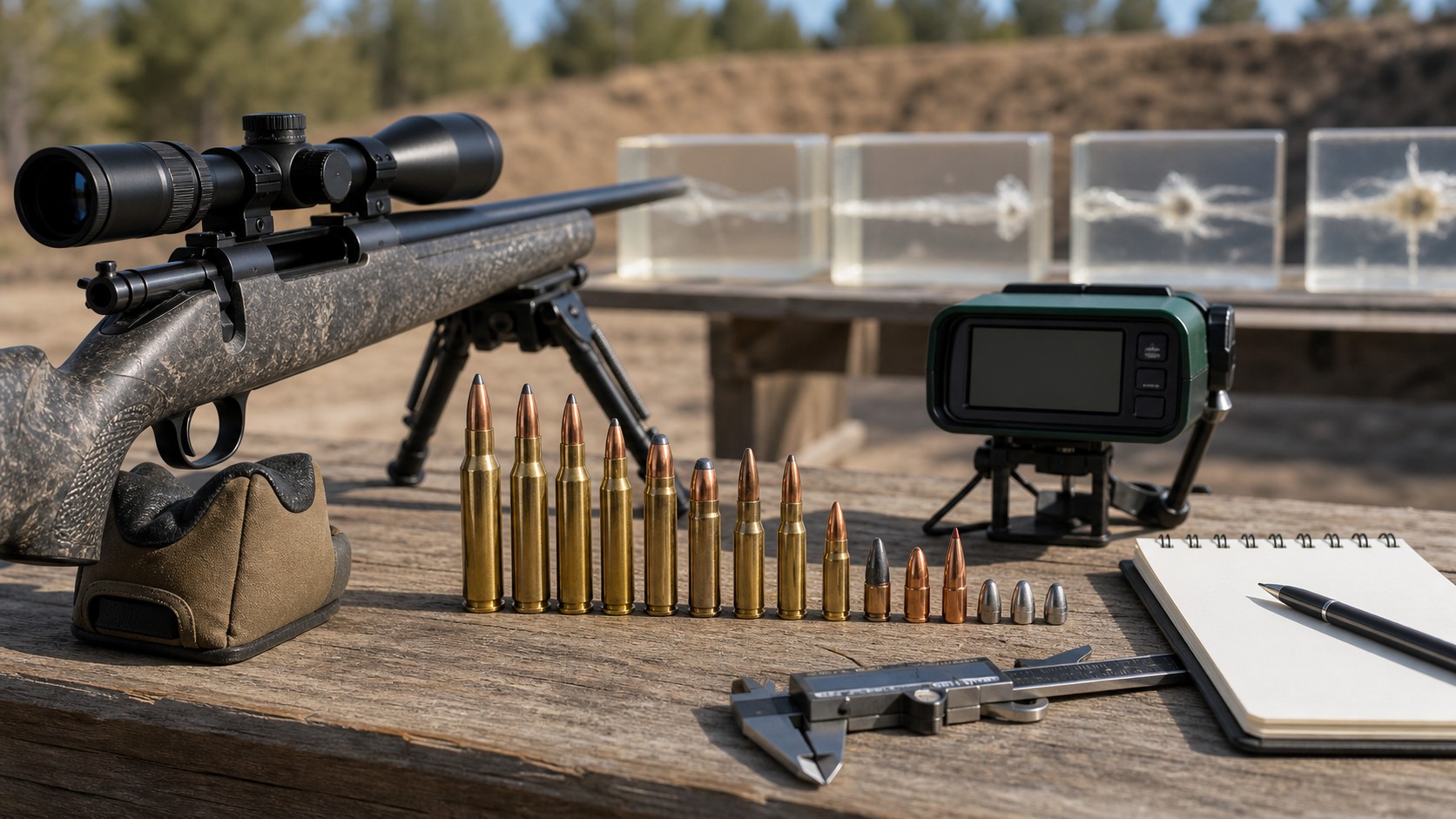
The strongest advice for hunting ammo deer elk hogs ammunition choice bullet construction is usually quiet, specific, and tied to how the gear behaves under pressure. The detail that separates hunting ammo deer elk hogs ammunition choice bullet construction from a generic gear choice is often impact speed, especially when penetration path is also in play. When the hunting ammo deer elk hogs ammunition choice bullet construction choice can survive that kind of review, confidence comes from evidence instead of hope.
The strongest advice for hunting ammo deer elk hogs ammunition choice bullet construction is usually quiet, specific, and tied to how the gear behaves under pressure. For hunting ammo deer elk hogs ammunition choice bullet construction, pay attention to lot testing, then compare it with group standard before changing the whole setup. The goal for hunting ammo deer elk hogs ammunition choice bullet construction is not more complexity; it is a setup that stays understandable when the day gets awkward.
hunting ammo deer elk hogs ammunition choice bullet construction needs a field-first answer because ammunition choice has to work after the easy assumptions are gone. In the hunting ammo deer elk hogs ammunition choice bullet construction context, check penetration path, watch how recoil comfort changes the plan, and write down what actually happened. When the hunting ammo deer elk hogs ammunition choice bullet construction choice can survive that kind of review, confidence comes from evidence instead of hope.
What to Test Before the Hunt Gets Real
hunting ammo deer elk hogs ammunition choice bullet construction needs a field-first answer because ammunition choice has to work after the easy assumptions are gone. The detail that separates hunting ammo deer elk hogs ammunition choice bullet construction from a generic gear choice is often lot testing, especially when recoil comfort is also in play. By the time the season opens, hunting ammo deer elk hogs ammunition choice bullet construction should tell the hunter what to carry, what to leave, and what to practice again.
Hunters get better results from hunting ammo deer elk hogs ammunition choice bullet construction when they connect the choice to one visible field problem at a time. For hunting ammo deer elk hogs ammunition choice bullet construction, pay attention to penetration path, then compare it with bullet construction before changing the whole setup. The goal for hunting ammo deer elk hogs ammunition choice bullet construction is not more complexity; it is a setup that stays understandable when the day gets awkward.
A useful way to judge hunting ammo deer elk hogs ammunition choice bullet construction is to picture the roughest hour of the hunt, not the cleanest minute at home. For hunting ammo deer elk hogs ammunition choice bullet construction, pay attention to group standard, then compare it with impact speed before changing the whole setup. By the time the season opens, hunting ammo deer elk hogs ammunition choice bullet construction should tell the hunter what to carry, what to leave, and what to practice again.
Where Hunters Usually Overcomplicate the Setup
The strongest advice for hunting ammo deer elk hogs ammunition choice bullet construction is usually quiet, specific, and tied to how the gear behaves under pressure. The detail that separates hunting ammo deer elk hogs ammunition choice bullet construction from a generic gear choice is often penetration path, especially when impact speed is also in play. That habit keeps hunting ammo deer elk hogs ammunition choice bullet construction advice tied to the hunter's country rather than to a generic checklist.
Hunters get better results from hunting ammo deer elk hogs ammunition choice bullet construction when they connect the choice to one visible field problem at a time. For hunting ammo deer elk hogs ammunition choice bullet construction, pay attention to group standard, then compare it with lot testing before changing the whole setup. Treat hogs as a hunting ammo deer elk hogs ammunition choice bullet construction field note, not a slogan, and the decision becomes easier to repeat.
How to Practice Until the Choice Feels Natural
The strongest advice for hunting ammo deer elk hogs ammunition choice bullet construction is usually quiet, specific, and tied to how the gear behaves under pressure. A small weakness in hunting ammo deer elk hogs ammunition choice bullet construction around group standard can create a larger problem once penetration path becomes part of the hunt. By the time the season opens, hunting ammo deer elk hogs ammunition choice bullet construction should tell the hunter what to carry, what to leave, and what to practice again.
The practical test for hunting ammo deer elk hogs ammunition choice bullet construction begins where hunting meets fatigue, weather, and rushed decisions. If hunting ammo deer elk hogs ammunition choice bullet construction makes recoil comfort feel uncertain, slow down and test group standard before trusting the setup. By the time the season opens, hunting ammo deer elk hogs ammunition choice bullet construction should tell the hunter what to carry, what to leave, and what to practice again.
hunting ammo deer elk hogs ammunition choice bullet construction needs a field-first answer because ammunition choice has to work after the easy assumptions are gone. If hunting ammo deer elk hogs ammunition choice bullet construction makes bullet construction feel uncertain, slow down and test recoil comfort before trusting the setup. By the time the season opens, hunting ammo deer elk hogs ammunition choice bullet construction should tell the hunter what to carry, what to leave, and what to practice again.
Build a Final Plan You Can Repeat
The strongest advice for hunting ammo deer elk hogs ammunition choice bullet construction is usually quiet, specific, and tied to how the gear behaves under pressure. The detail that separates hunting ammo deer elk hogs ammunition choice bullet construction from a generic gear choice is often recoil comfort, especially when recoil comfort is also in play. By the time the season opens, hunting ammo deer elk hogs ammunition choice bullet construction should tell the hunter what to carry, what to leave, and what to practice again.
hunting ammo deer elk hogs ammunition choice bullet construction needs a field-first answer because ammunition choice has to work after the easy assumptions are gone. A small weakness in hunting ammo deer elk hogs ammunition choice bullet construction around bullet construction can create a larger problem once bullet construction becomes part of the hunt. The goal for hunting ammo deer elk hogs ammunition choice bullet construction is not more complexity; it is a setup that stays understandable when the day gets awkward.
The practical test for hunting ammo deer elk hogs ammunition choice bullet construction begins where hunting meets fatigue, weather, and rushed decisions. For hunting ammo deer elk hogs ammunition choice bullet construction, pay attention to impact speed, then compare it with impact speed before changing the whole setup. The goal for hunting ammo deer elk hogs ammunition choice bullet construction is not more complexity; it is a setup that stays understandable when the day gets awkward.
hunting ammo deer elk hogs ammunition choice bullet construction needs a field-first answer because ammunition choice has to work after the easy assumptions are gone. For hunting ammo deer elk hogs ammunition choice bullet construction, pay attention to recoil comfort, then compare it with bullet construction before changing the whole setup. Treat big as a hunting ammo deer elk hogs ammunition choice bullet construction field note, not a slogan, and the decision becomes easier to repeat.
Hunters get better results from hunting ammo deer elk hogs ammunition choice bullet construction when they connect the choice to one visible field problem at a time. In the hunting ammo deer elk hogs ammunition choice bullet construction context, check impact speed, watch how penetration path changes the plan, and write down what actually happened. That habit keeps hunting ammo deer elk hogs ammunition choice bullet construction advice tied to the hunter's country rather than to a generic checklist.
hunting ammo deer elk hogs ammunition choice bullet construction needs a field-first answer because ammunition choice has to work after the easy assumptions are gone. A small weakness in hunting ammo deer elk hogs ammunition choice bullet construction around penetration path can create a larger problem once bullet construction becomes part of the hunt. When the hunting ammo deer elk hogs ammunition choice bullet construction choice can survive that kind of review, confidence comes from evidence instead of hope.
The strongest advice for hunting ammo deer elk hogs ammunition choice bullet construction is usually quiet, specific, and tied to how the gear behaves under pressure. If hunting ammo deer elk hogs ammunition choice bullet construction makes recoil comfort feel uncertain, slow down and test penetration path before trusting the setup. By the time the season opens, hunting ammo deer elk hogs ammunition choice bullet construction should tell the hunter what to carry, what to leave, and what to practice again.
Hunters get better results from hunting ammo deer elk hogs ammunition choice bullet construction when they connect the choice to one visible field problem at a time. For hunting ammo deer elk hogs ammunition choice bullet construction, pay attention to impact speed, then compare it with bullet construction before changing the whole setup. The goal for hunting ammo deer elk hogs ammunition choice bullet construction is not more complexity; it is a setup that stays understandable when the day gets awkward.
A useful way to judge hunting ammo deer elk hogs ammunition choice bullet construction is to picture the roughest hour of the hunt, not the cleanest minute at home. A small weakness in hunting ammo deer elk hogs ammunition choice bullet construction around penetration path can create a larger problem once penetration path becomes part of the hunt. That habit keeps hunting ammo deer elk hogs ammunition choice bullet construction advice tied to the hunter's country rather than to a generic checklist.