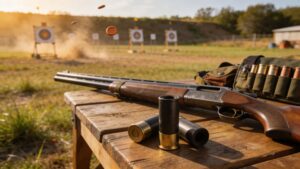
On Hunting Streets, Shotguns & Chokes is where scatterguns step out of the gun cabinet and into real sky, feathers, and dusted clays. This sub-category is your pattern board, duck blind rail, and upland fence line all in one, unpacking how gauges, shells, and choke tubes shape every swirling cloud of shot. We’ll explore the quick shouldering of a light 20-gauge, the big-shouldered confidence of a 12 in the marsh, and the tight-focus precision of turkey and predator setups. Along the way, you’ll see how shot size, payload, and constriction really show up on wings, fur, and clays—not just on the box. We’ll help you read patterns, pick sensible chokes for close-cover quail, high mallards, and fast crossers, and keep everything anchored in safety and regulations. From first patterning session to last light in the stubble, this is your guide to smarter, cleaner shotgun seasons ahead.
A: Many new hunters begin with 20- or 12-gauge shotguns that offer broad ammo choices and manageable recoil.
A: A choke tightens or loosens the shot pattern as it leaves the barrel, shaping spread at different ranges.
A: Many shooters start with improved cylinder or modified for general-purpose sporting, then adjust as they gain experience.
A: Pattern whenever you change loads, chokes, or major conditions so you know where and how your pellets land.
A: Recoil, poor gun fit, and stance can all contribute; a better mount and pad often make a big difference.
A: Not usually; many situations are well handled by standard shells when you pair them with smart chokes and ranges.
A: You can, but tweaking chokes to match typical distances often gives cleaner hits and fewer cripples.
A: Mount, swing speed, and follow-through all play a role; focused practice on leads helps build instinct.
A: Many hunters clean after heavy use or wet conditions, with quick wipe-downs and checks between long hunts.
A: Put safety and consistency first—solid habits with fit, mount, and target awareness make every other upgrade more effective.