
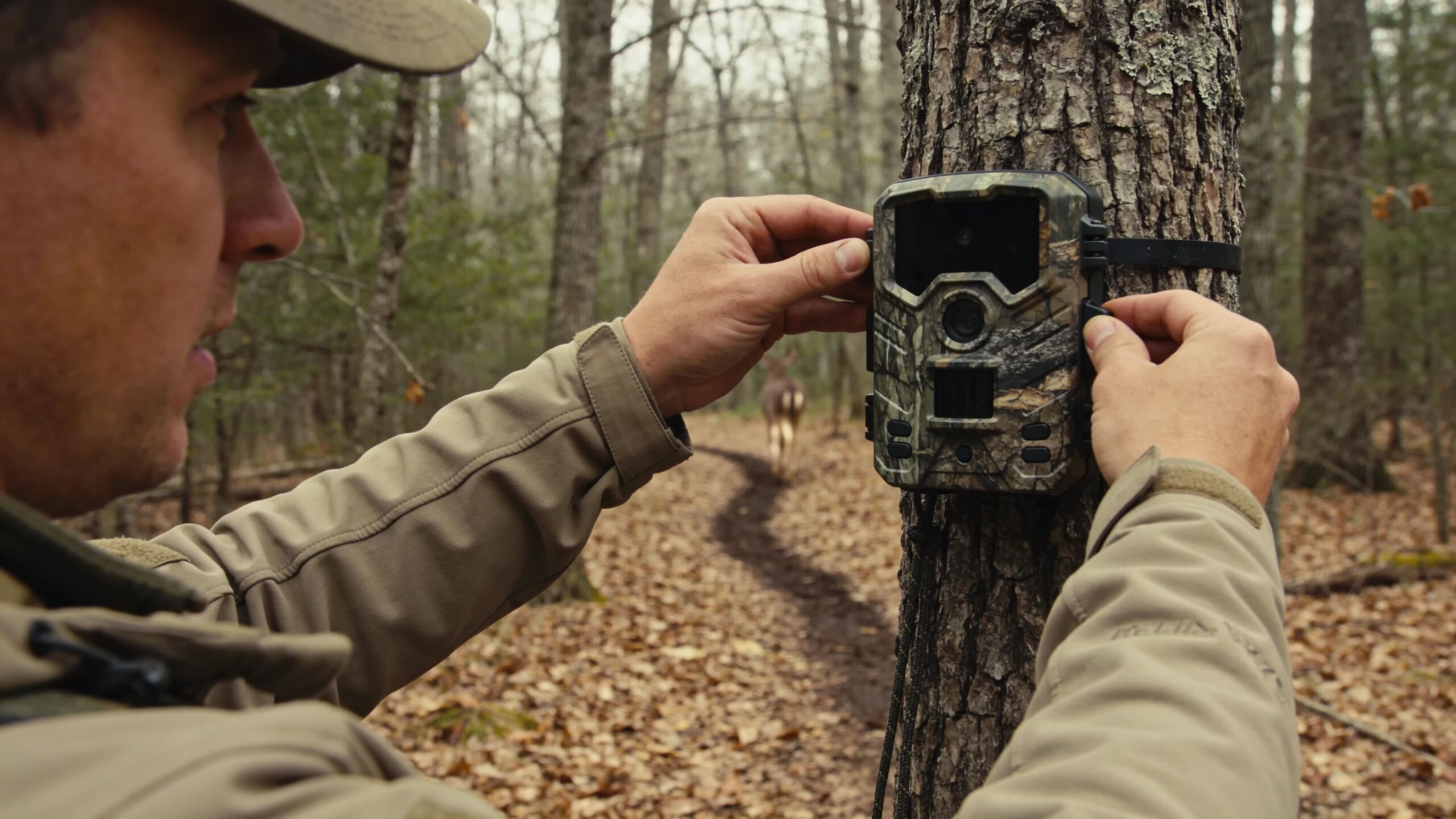
Trail cameras don’t just capture moments—they capture patterns. In Trail Cameras & Data Tracking, you’ll learn how to turn scattered photos and sightings into a clear, confident plan. This hub brings together the practical setups, scouting routines, and data habits that help you understand movement, timing, and pressure—without guessing. Explore articles on placement strategy, angles and height, bedding vs. feed corridors, water sources, scrape lines, and how weather, moon, and human activity shift routines. We’ll also dig into the numbers: how to organize images, tag events, compare weeks, and build simple charts that reveal when bucks cruise, when elk switch drainages, or when coyotes start working a ridge. Whether you’re running a single camera on a pinch point or building a full grid across a unit, you’ll find tips for ethics, legality, and low-impact checks that keep your area calm. If you love the “aha” moment when data finally clicks—this is your trail to it.
A: One is enough—choose a high-traffic funnel and build from there.
A: As rarely as practical—swapping cards quickly reduces pressure.
A: A natural pinch point between bedding and feed or along a reliable water source.
A: Windy vegetation, heat shimmer, or wrong sensitivity—clear the cone and adjust settings.
A: Photos for efficiency; video for behavior—use video selectively to save battery.
A: Tag species/time/location and compare weekly activity trends.
A: Right in bedding cover or high-risk theft areas—use edge sets instead.
A: Excess pressure and frequent checks can—minimize visits and disturbance.
A: Discreet placement, secure mounting, and avoiding obvious trailhead-adjacent trees.
A: Use camera IDs + date folders, then log key events in a simple spreadsheet.