
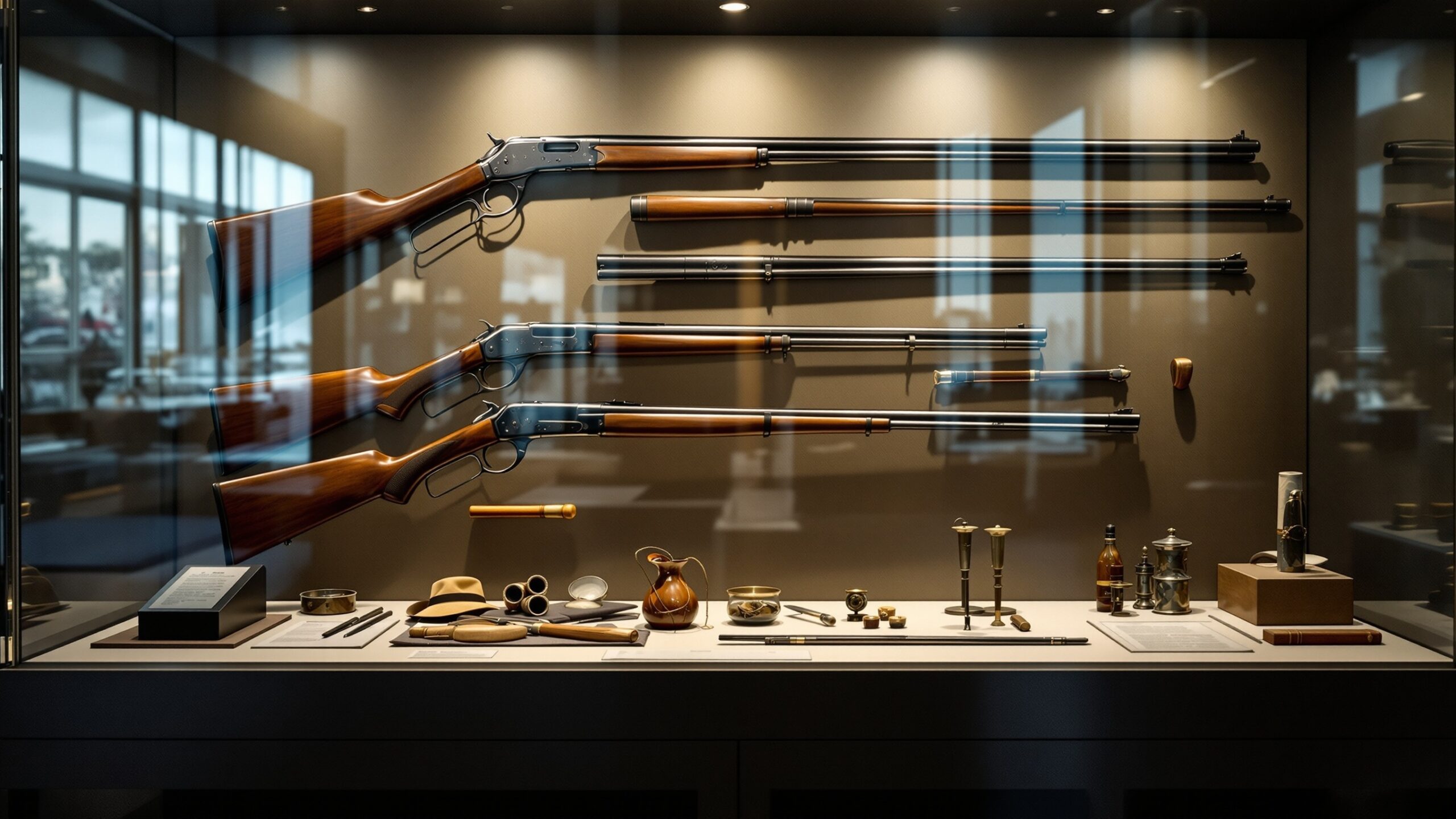
Step into the long arc of hunting history—where innovation, craftsmanship, and frontier necessity shaped the tools that helped feed families and explore new frontiers. Hunting Streets’ Historical Firearms hub is built for readers who love the stories behind the steel: how early ignition systems evolved, why certain designs changed the way people traveled and hunted, and what museum-worthy details reveal about the era that made them. Here you’ll find articles that spotlight landmark developments from flint and percussion eras to repeating actions and the industrial age, plus the cultural threads that surround them—regional makers, military crossover influences, and the rise of mass production. We keep the focus on heritage, collecting culture, preservation ethics, and historical context—bringing old-world machining, woodcraft, and patina to life with clear timelines and vivid imagery. Whether you’re a history buff, a museum regular, or a hunter who simply respects the lineage of the field, this category turns “old firearms” into living history you can truly understand and appreciate.
A: Age, design era, and documented significance—often tied to makers, events, or technology shifts.
A: They mark major leaps in reliability and usability that shaped hunting and frontier life.
A: Documentation of ownership and story—receipts, letters, photos, or records that connect it to time and place.
A: Not necessarily—original condition and honest age can be more historically meaningful than refinishing.
A: Start with one era, learn its key features, then expand across timelines.
A: Stable, dry environments with careful handling and documentation—think museum-style presentation.
A: Date range, maker, region, and why it mattered—those clues guide deeper reading.
A: Use soft light, avoid glare, and capture detail close-ups of textures and marks.
A: Many are—frontier, industrial, and early sporting eras each shaped hunting culture differently.
A: Focus on history, craftsmanship, and documentation—not operational use or instruction.

