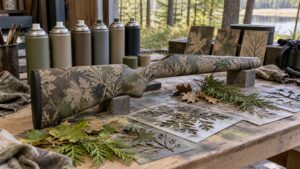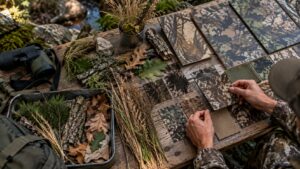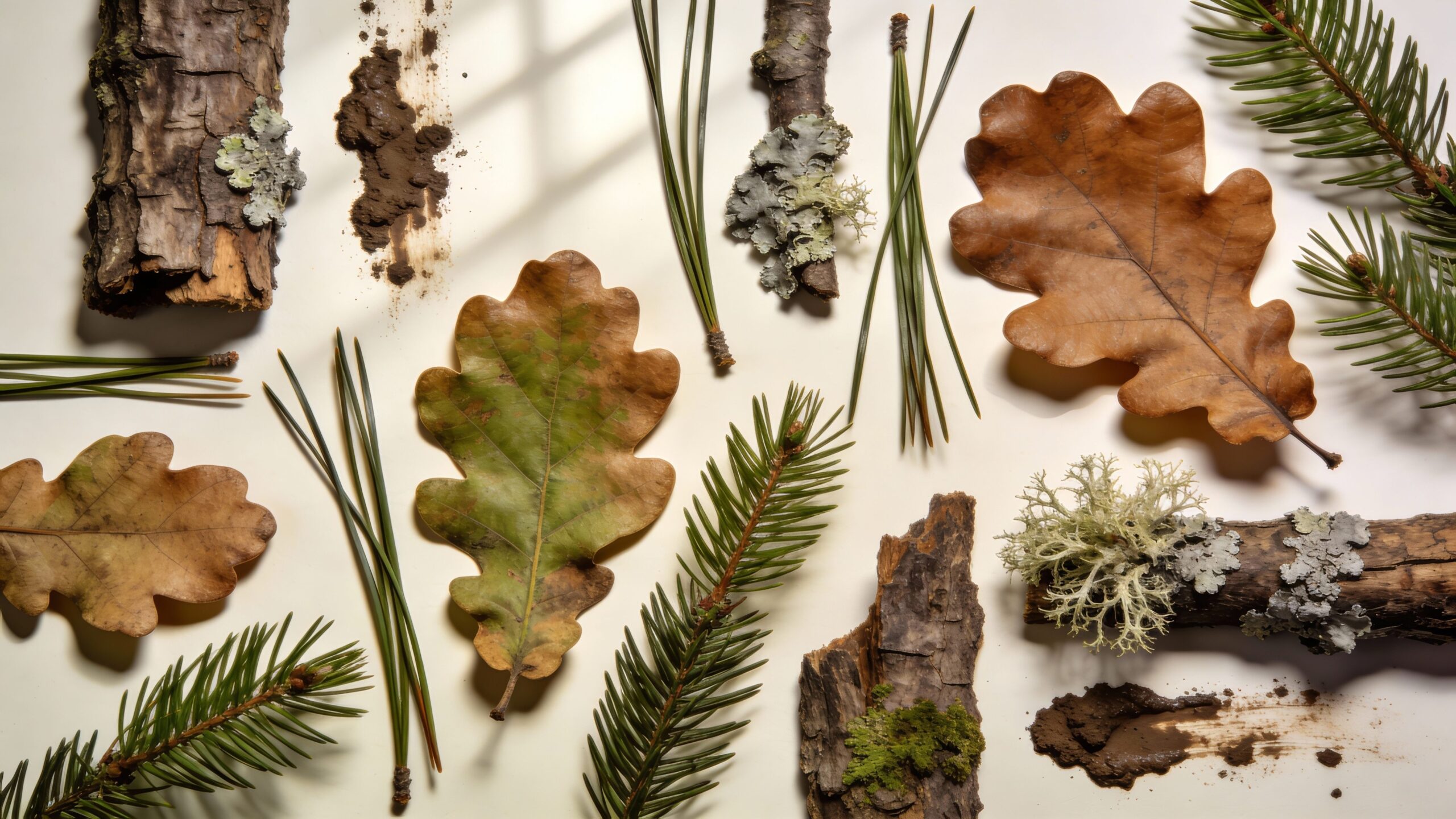
Camouflage is more than a look—it’s a visual strategy. In Camouflage Art & Patterns, Hunting Streets explores how color, contrast, texture, and shape work together to break up outlines and help you disappear into the terrain. From leaf-litter micro patterns to bold macro shapes built for open timber, good camo is a blend of biology, art, and field-tested design. We’ll dig into why animals detect movement first, how light shifts at dawn and dusk, and why the “right” pattern depends on distance, season, and habitat. You’ll find guides to matching camo to hardwoods, conifers, sage, marsh edges, and snow; breakdowns of pattern families; and practical tips for layering, face and hand coverage, and glare control. We’ll also spotlight the creative side—how designers borrow from nature’s textures, build depth with shadows, and tune palettes for real-world landscapes. Whether you’re dialing in a bowhunt setup or just fascinated by the craft, this hub helps you see camo the way wildlife does—and use it with confidence.
A: Not always—good positioning, wind, and stillness can matter more.
A: Both—macro disrupts at distance, micro adds realism up close.
A: Usually movement, skylining, or a strong dark outline—camo can’t fix those alone.
A: Yes, if colors align—avoid creating obvious blocks or mismatched brightness.
A: Very—hands and face reflect light and move constantly.
A: Yes—sun hits smooth fabric like a mirror and animals notice flashes.
A: Match dominant tones (greens vs. browns) and habitat texture (grass vs. timber).
A: Scent-free, UV-free hunting detergent to avoid brightening agents.
A: Add a matte face cover and gloves, and sit deeper in shade.
A: Take photos at hunting distances in your actual setup lighting.