
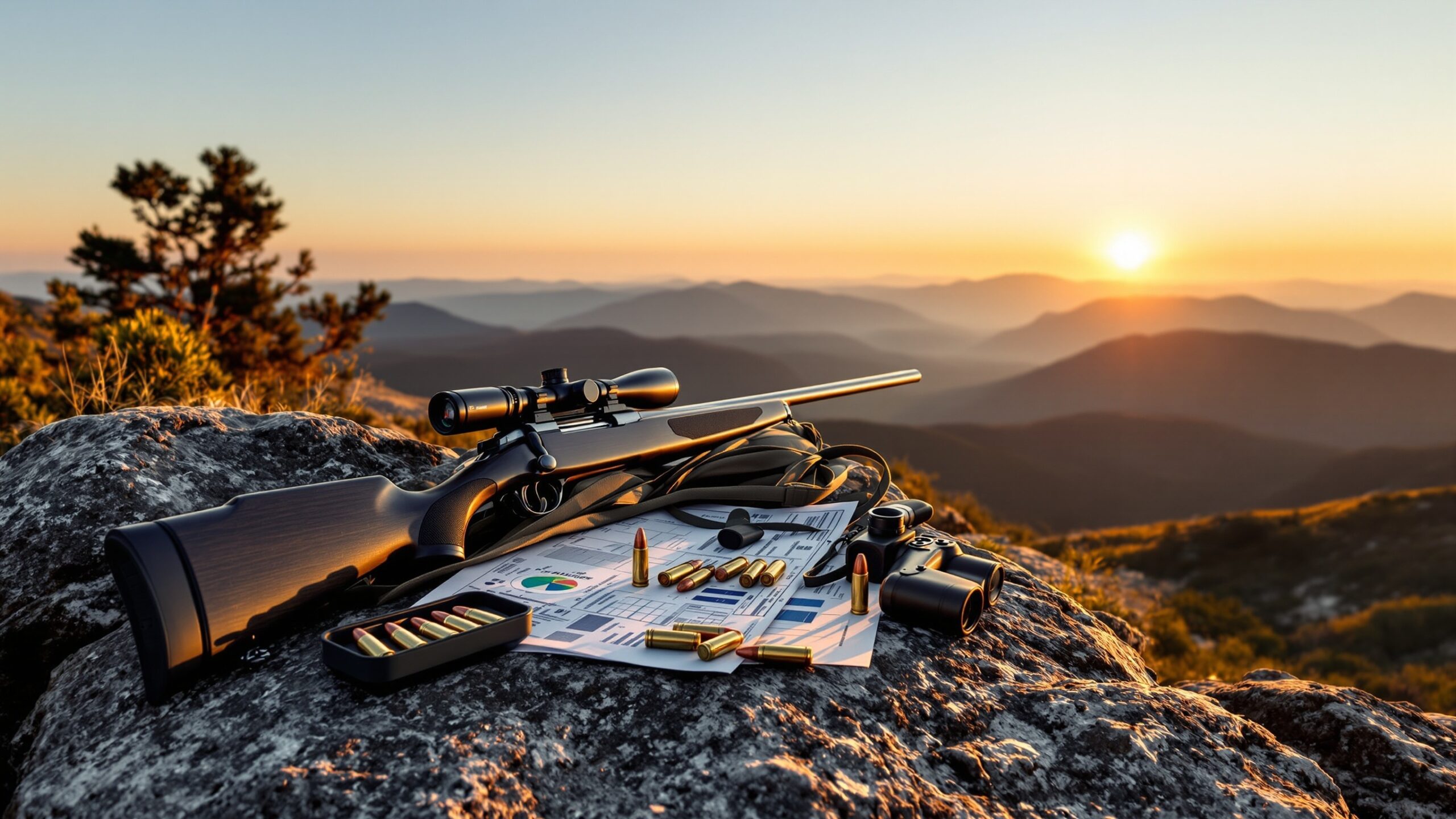
On Hunting Streets, Ammunition Ballistics is where numbers, charts, and trajectories finally connect to real fur, feathers, and landscapes. This sub-category is your translation guide between muzzle velocity on the box and what actually happens downrange in wind, rain, and steep canyons. We’ll unpack how bullets arc, drift, and slow down, and why impact energy and bullet construction matter more than bragging rights at the gun counter. You’ll see how zero distance, scope height, and angle shots change point of impact, and how to read basic drop charts without needing a physics degree. We’ll keep the focus on ethical ranges, reliable hits, and consistent point-of-aim/point-of-impact—not trick shots or risky guesses. From classic deer cartridges to newer long-range offerings, Ammunition Ballistics helps you understand how your chosen loads behave so you can plan smarter, safer shots. Every article aims to turn abstract data into practical confidence, one well-placed round at a time.
A: Bullet path is curved; once you leave your zero distance, gravity and drag quickly change impact point.
A: Not always; simple charts and range practice can be enough for typical, moderate-distance hunting.
A: Variations in velocity, bullet weight, and design change how each load flies and where it lands.
A: It depends on your skill, conditions, and setup; keep shots inside distances you’ve proven on the range.
A: It’s a rating of how well a bullet slips through the air and holds speed compared with similar projectiles.
A: Not necessarily; recoil, barrel life, and appropriate bullet choices for your game also matter.
A: Wind changes with terrain and distance; practice and observation slowly build better instincts.
A: Check after travel, hard use, or ammo changes, and before important hunts or big trips.
A: Often no; for many hunts, a solid zero, simple holds, and close-range discipline work very well.
A: Confidence—knowing what your bullet will likely do helps you choose safer, more ethical shots.

