
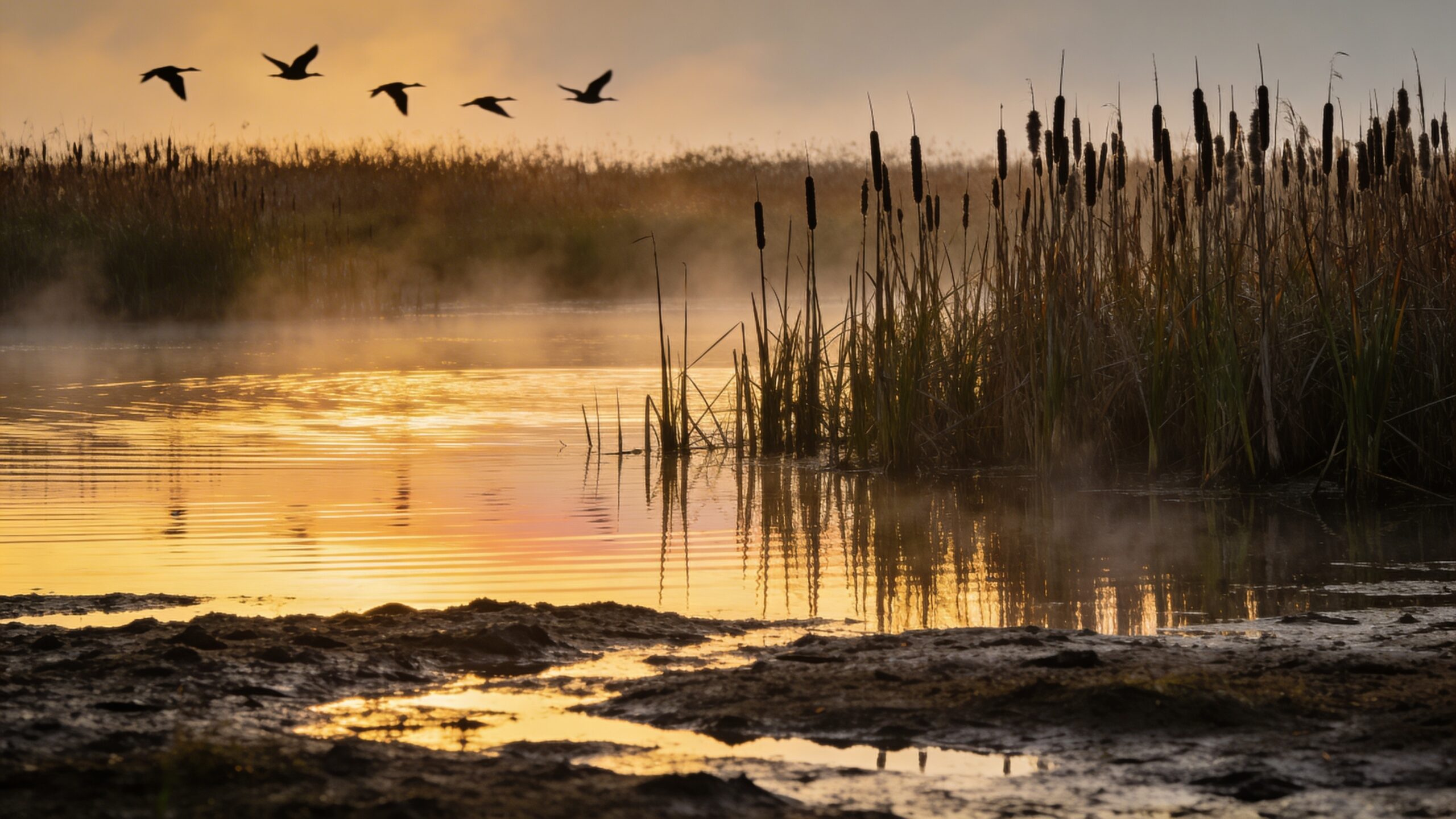
Wetlands are the wild world’s breathing rooms—places where water slows down, life speeds up, and the sky fills with wings at first light. In this Wetlands & Waterfowl Habitats collection, we explore the backstories behind the best marshes, sloughs, potholes, flooded timber, and tidal flats—how they function, why birds use them, and what makes one patch of water feel “alive” while another stays quiet. You’ll find articles on habitat types and seasonal patterns, reading wind and weather, understanding food sources like submerged vegetation and invertebrates, and spotting the subtle clues that reveal roosts, loafing zones, and flyways. We also dig into conservation and stewardship: water-level management, invasive control, restoring edges, and protecting nesting cover so ducks and geese have more than a place to pass through. Whether you’re scouting public ground or managing private marsh, this hub turns muddy boots into smarter decisions. Come for the wings and the sunrise—stay for the habitat knowledge that makes every hunt more informed, ethical, and rewarding.
A: Look for food, fresh sign, sheltered edges, and consistent morning flight lines.
A: Walking through the roost—observe from distance and preserve the birds’ safe zone.
A: Birds often land into wind; pick a setup that controls their approach lane.
A: Shallow shelves usually produce; even a few inches can change where birds can tip and dabble.
A: Move slowly, test depth, use a staff, and avoid unknown channels or strong current.
A: Not if you can help it—rest days often improve consistency and reduce pressure impacts.
A: Brush mud off boots/waders, drain water, and clean gear before switching wetlands.
A: Use natural shadows and low profiles—avoid breaking vegetation in a way that leaves obvious gaps.
A: Birds shift to open water, springs, and ice edges—habitat options shrink and patterns tighten.
A: Pressure, changing water levels, depleted food, or weather shifts can move birds elsewhere quickly.