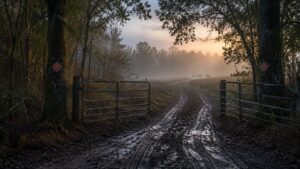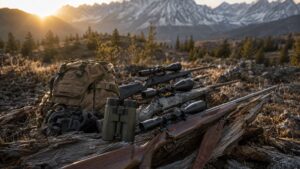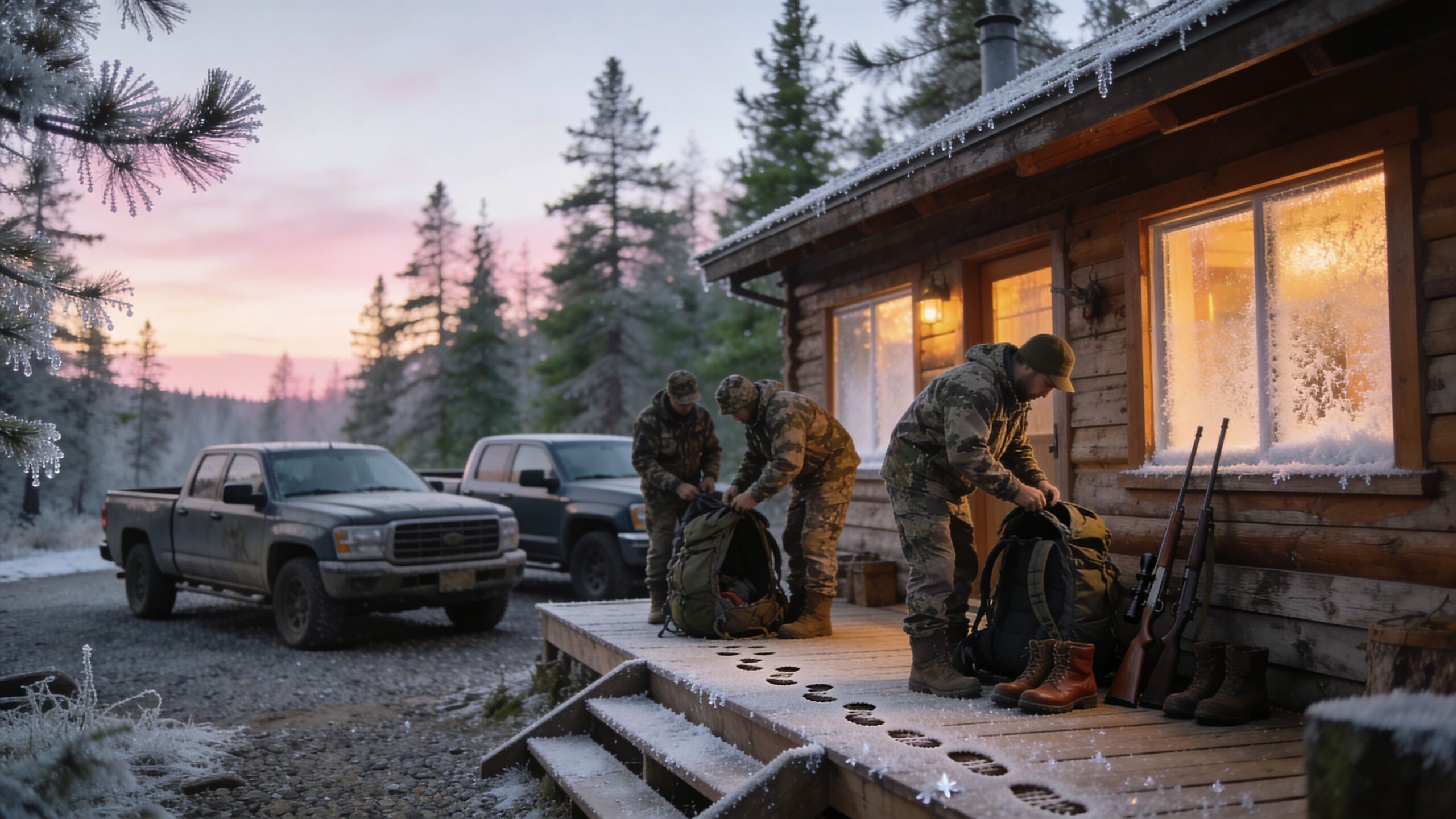
Sometimes the best hunting isn’t about going farther—it’s about gaining the right access. Private Leases & Clubs is your guide to the world behind the gate: shared properties, membership clubs, and leased ground where rules are clearer, pressure is manageable, and the experience can feel more intentional from day one. In this hub, you’ll find articles that break down lease types, club structures, costs, and what “good value” really means beyond acres and animal photos. Learn how to evaluate habitat, pressure, boundaries, and amenities, how to read agreements, and how to ask the questions that protect your time and investment—access dates, guest rules, stand policies, ATV use, and harvest expectations. We’ll cover etiquette and collaboration too: stand placement, camera policies, cleanup expectations, and how to keep a shared property running smoothly. Whether you’re considering a small local lease with a few friends or joining a larger club with rotating opportunities, this category helps you avoid surprises and focus on what matters—safe, ethical hunts and consistent opportunities all season long.
A: Managed pressure—fewer people and clearer rules often create better movement.
A: Hunter density, access dates, harvest rules, guest policy, and how conflicts get handled.
A: Compare pressure, habitat quality, dates, and amenities—not just acreage.
A: Yes—maps, rules, dates, costs, and responsibilities should all be documented.
A: Some assign zones, some rotate, some are first-come—clarify before the season.
A: Unclear rules, poor communication, and too many hunters for the acreage.
A: Sometimes—guest limits, fees, and scheduling rules vary widely.
A: Stop, verify with maps, and notify the lease manager—don’t “assume it’s fine.”
A: Reduce pressure, follow cleanup rules, and contribute to small habitat projects.
A: Early—good leases often renew quickly and fill months before the season.