
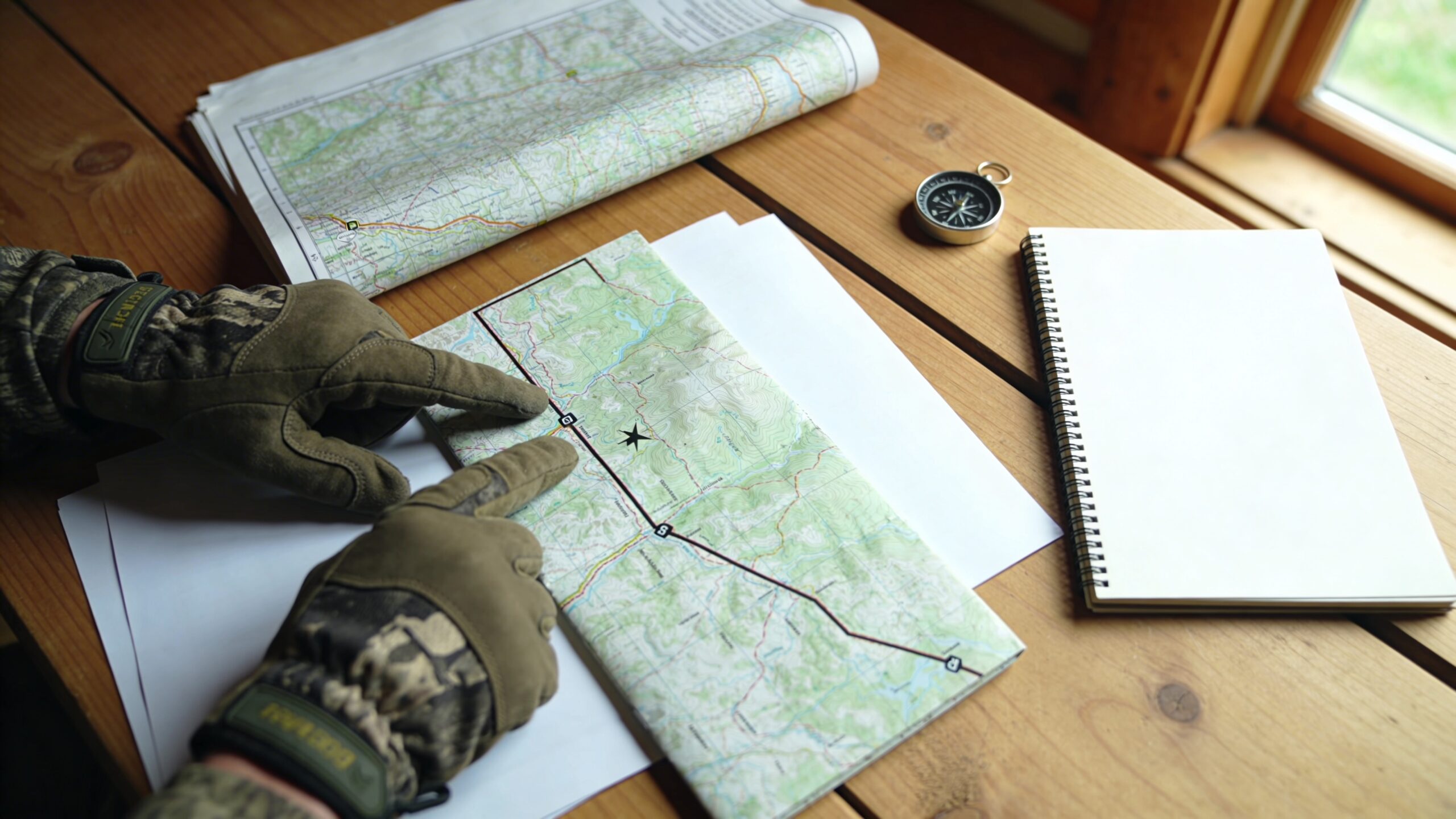
Hunting laws aren’t just fine print—they’re the guardrails that keep seasons fair, wildlife healthy, and access open for the next generation. This Hunting Laws & Regulations hub is built for real-world planning: the rules that change by unit, date, weapon type, and even time of day. Inside, you’ll find plain-English breakdowns of licenses and tags, public-land boundaries, legal methods of take, transport and meat care requirements, blaze-orange and safety rules, reporting and check-in steps, and the details that trip hunters up—like baiting definitions, electronic calls, night hunting limits, and distance-from-road restrictions. We also cover ethics where the law leaves gray space: respecting private property, avoiding waste, and handling mistakes the right way. Whether you’re prepping for a first hunt, traveling across state lines, or just double-checking a regulation before daylight, these articles help you hunt confidently and responsibly. Read, verify, and head out knowing your choices match both the law and the land. Always confirm current rules with your state agency and carry proof in the field; regulations can update mid-season without warning at times.
A: Unit boundaries, season dates, shooting hours, legal method of take, and your license/tag requirements.
A: No—different agencies and parcels can have different access, vehicle, camping, and weapon rules.
A: Timing varies; follow your regulation’s exact “immediately upon harvest” or validation instructions.
A: Stop, get permission if required, and follow local retrieval rules—don’t assume access.
A: Use summaries to learn, but verify the official wording for your unit and season every time.
A: Definitions vary widely—always check the local definition and prohibited materials or practices.
A: In some places yes—plan quartering so you can stay compliant.
A: Use the official legal-hour standard and build a buffer—don’t push the edge.
A: Stop hunting, document details, and contact the appropriate authority for guidance promptly.
A: They protect wildlife, people, and access—small details prevent big problems across a whole season.