
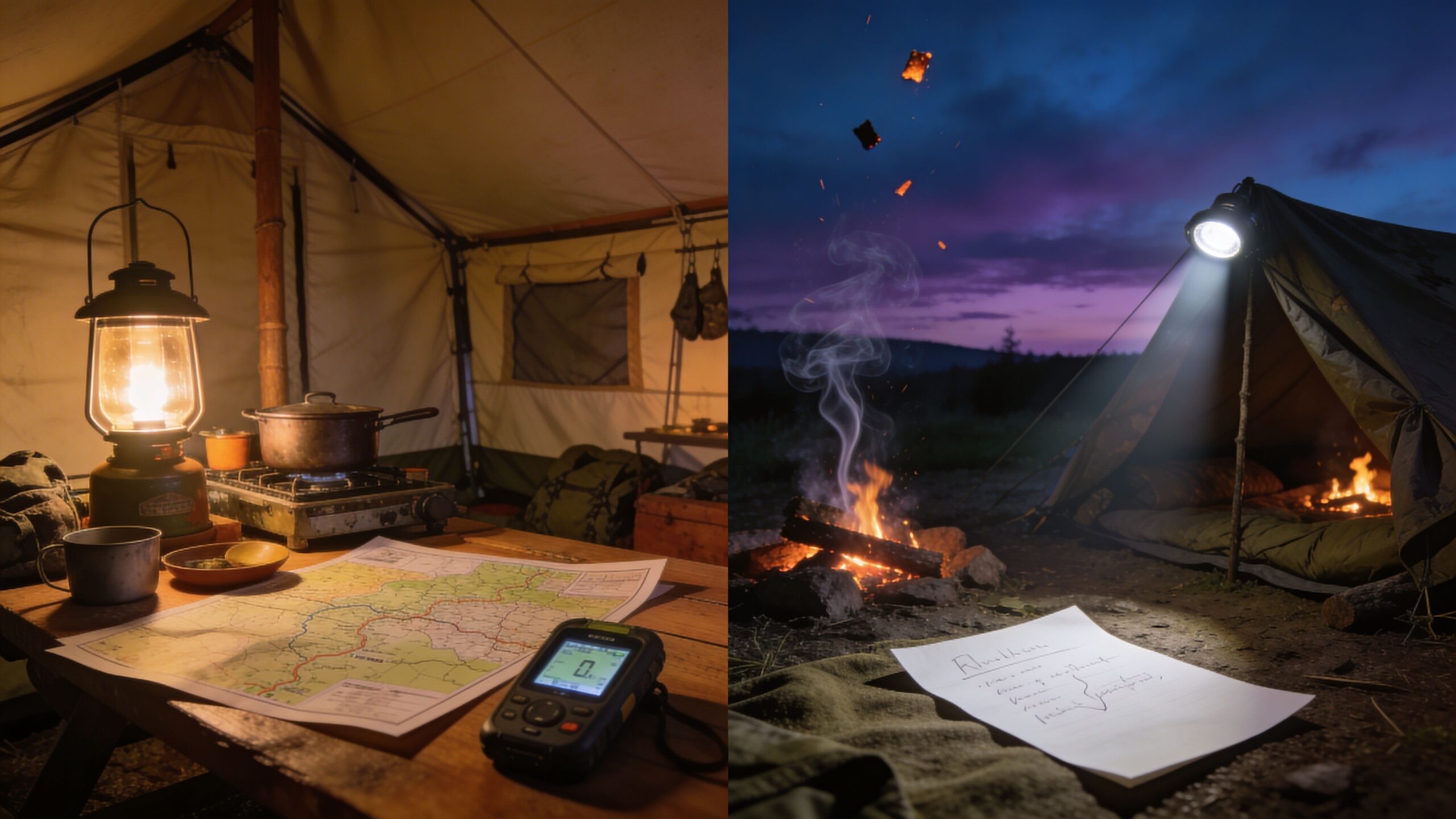
Some hunts start with a handshake and a plan. Others begin with a map, a hunch, and a headlamp at 4 a.m. Welcome to Guided vs DIY Hunts—the crossroads where every hunter decides how they want to chase the next story. A guided hunt can feel like stepping into a well-run expedition: local knowledge, access, logistics handled, and lessons learned fast. A DIY hunt is a different kind of thrill—scouting pays off, mistakes teach hard, and every success feels earned twice. Neither path is “better.” The right choice depends on your goals, budget, time, confidence, and the kind of challenge you’re hungry for. On this page, you’ll find practical breakdowns, quick comparisons, gear considerations, and real-world decision points to help you pick your route—whether you want mentorship and momentum, or full control from planning to pack-out. Either way, the wild doesn’t care how you got there—only that you showed up ready.
A: Often, if you want faster learning, better logistics, or limited time to scout.
A: No—expect improved odds and experience, not certainty.
A: Underestimating logistics—access, navigation, meat care, and recovery plans.
A: Yes—start with simpler terrain, shorter trips, and clear safety margins.
A: Verify licensing, references, what’s included, and clear expectations in writing.
A: Access type, hunt style, success history, guide-to-client ratio, and extra fees.
A: Ideally months—tags, scouting, mapping, fitness, and gear shakedowns.
A: DIY needs stronger nav/comms, redundancy, and a more complete field-care kit.
A: Cool fast, use clean game bags, hang in shade/airflow, and plan transport.
A: Book a guide for 1–2 days of strategy, then finish the hunt DIY.