
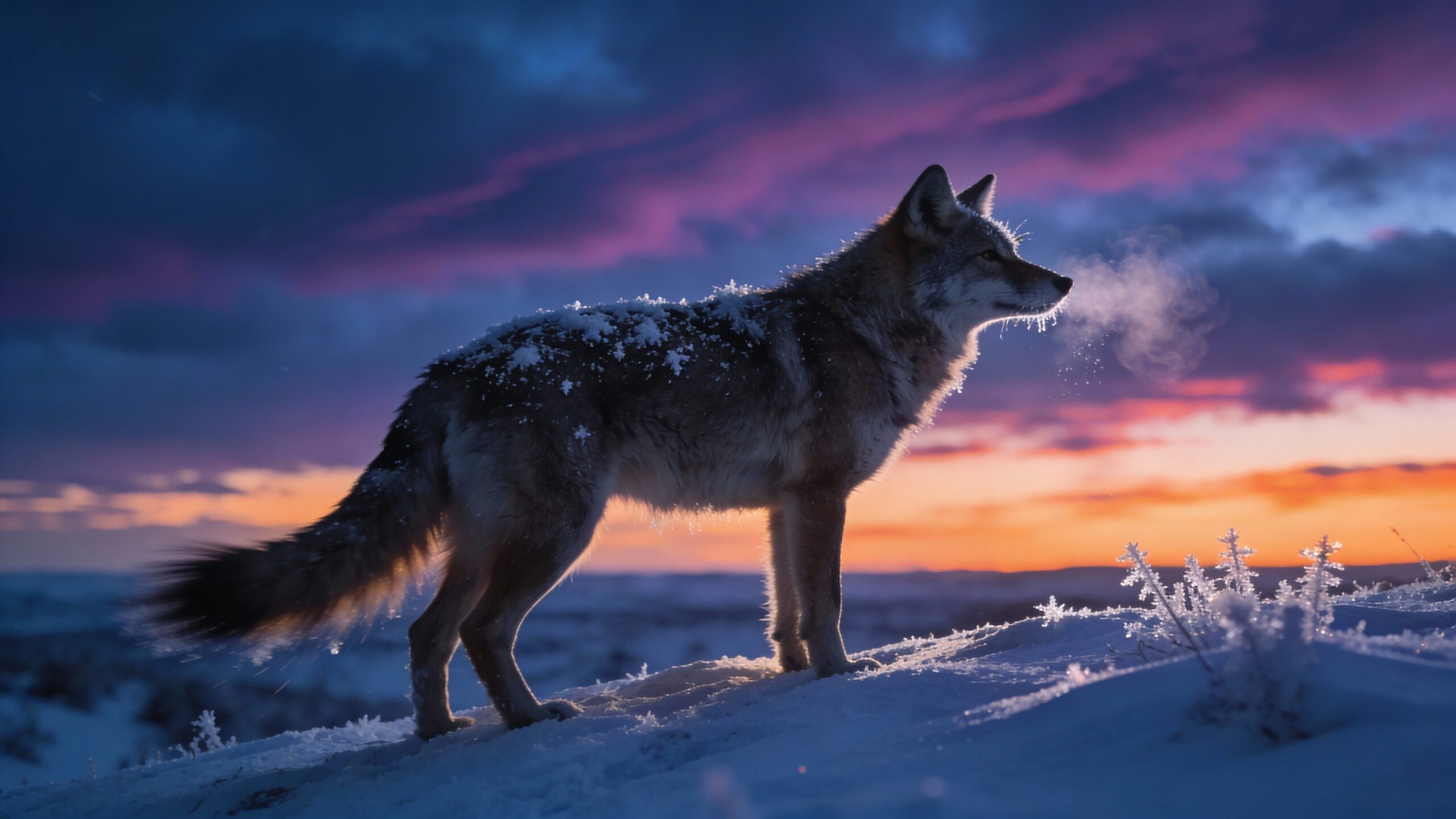
Predators & Furbearers is where the woods get sharp-edged and the story turns stealthy. This corner of Hunting Streets dives into the clever, elusive animals that live by instincts honed over millennia—creatures built for night travel, silent approaches, and sudden bursts of speed. From timber shadows to open sage, these species test a hunter’s awareness in a different way: reading sign that’s smaller, fresher, and often fleeting. Here you’ll explore how predators move with wind and cover, how furbearers work the edges of water and brush, and why seasonal change can flip behavior overnight. You’ll also find the culture and conservation threads that run through predator and furbearer hunting—landscape balance, habitat health, and the deep respect earned when a wary animal finally shows itself. Whether you’re fascinated by tracks in fresh snow or the suspense of a silent stand, these articles bring you closer to the wildest chess match outdoors.
A: Predators hunt other animals; furbearers are often valued for fur and include multiple species types.
A: Commonly at dawn, dusk, and at night, though patterns vary by season and pressure.
A: Many predators depend on scent—wind direction can decide the outcome.
A: Not always—smart setups on travel routes can be just as effective.
A: Look for sharp edges, lack of debris, and crisp details, especially in snow or soft soil.
A: Yes—food scarcity and weather can shift travel and timing dramatically.
A: Often—banks, crossings, and lodges concentrate sign and movement.
A: Moving too much and ignoring wind shifts.
A: Follow local regulations, confirm identification, and prioritize responsible practices.
A: It teaches patience, precision, and reading the wild like a living map.