
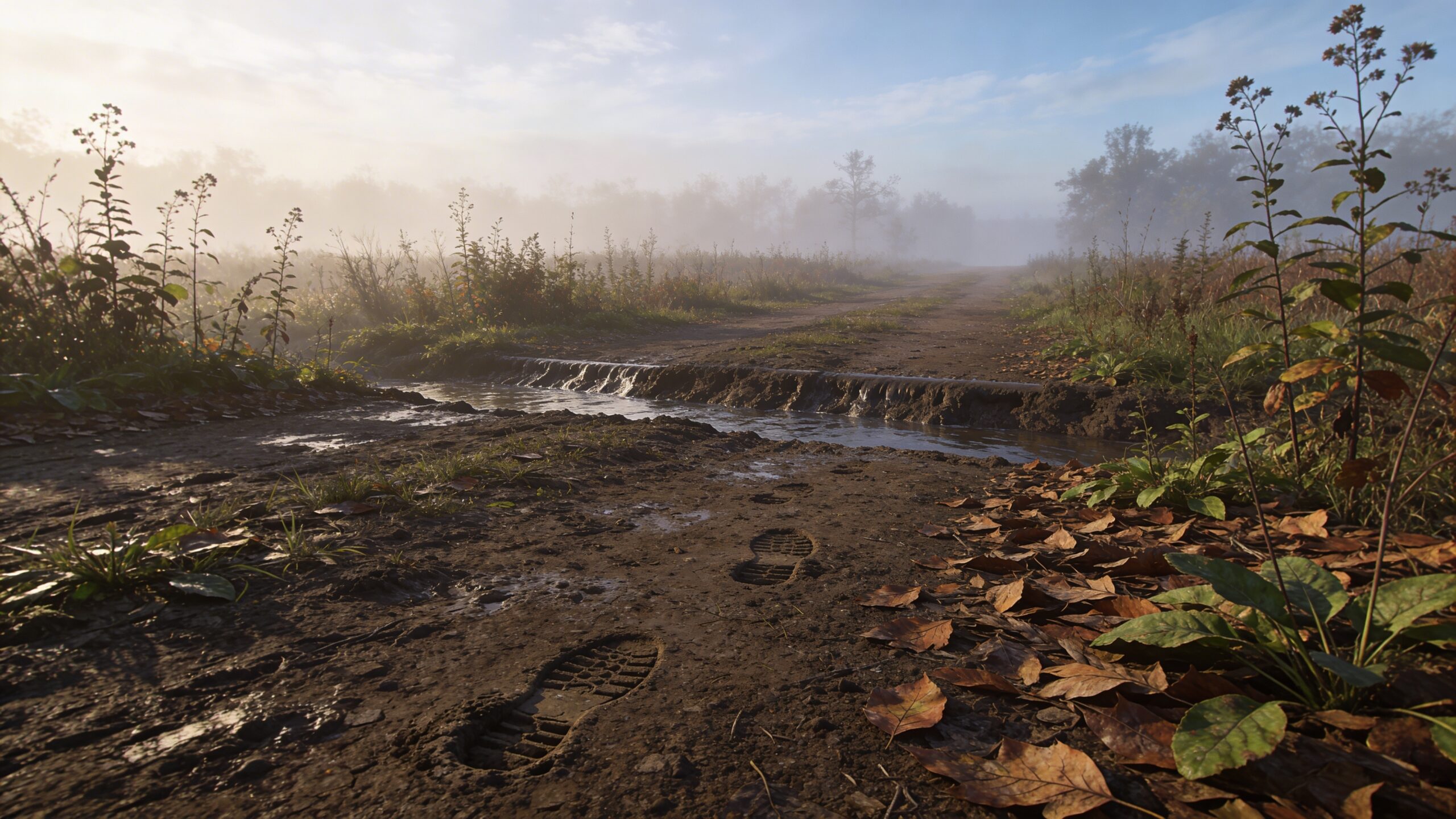
Environmental impact isn’t an abstract topic when you spend time in wild country—it’s the boot print that widens into a trail, the rut that turns into runoff, and the difference between a healthy edge and a stressed one. This Environmental Impact hub gathers stories, field-tested practices, and straight talk about how hunting intersects with land, water, wildlife, and the people who share these spaces. You’ll explore low-impact access, ethical recovery, habitat protection, waste and lead alternatives, invasive spread prevention, and the small habits that keep a place huntable for decades. Some articles zoom in on details—like how wind, moisture, and soil type change disturbance—while others take a wide view of conservation partnerships, seasonal closures, and responsible pressure. The goal isn’t perfection; it’s awareness that turns into better decisions in the field. Whether you hunt public ground, manage private acres, or travel across states, these pieces help you weigh tradeoffs, reduce your footprint, and leave the landscape stronger than you found it—quietly, consistently, and on purpose.
A: Stay on durable routes, avoid wet ground, and pack out every scrap—including tape and casings.
A: Use established crossings, keep them narrow, and never trample or cut stabilizing bank vegetation.
A: Yes—pressure changes wildlife behavior; rotating access and limiting intrusion reduces stress.
A: Expanding the footprint—keep tents, fires, and gear tight to one durable area.
A: Brush mud and seeds off boots, packs, and pet fur before moving to new drainages.
A: Away from water and high-use trails, and follow local regulations for remains disposal.
A: Usually no—concentrate use on durable paths to avoid creating multiple new scars.
A: Behavior—route decisions, timing, and cleanup habits typically outweigh equipment differences.
A: Look for ruts, exposed roots, widening trails, and water flowing where it didn’t before.
A: Pack out one extra piece of trash every trip—small actions compound across a season.