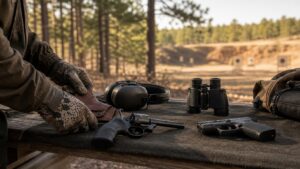
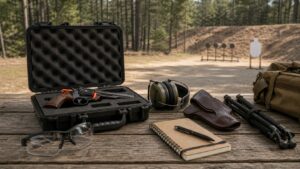
On Hunting Streets, Handguns for the Hunt is where the sidearm steps out of the holster and into real woods, canyons, and clear-cuts. This sub-category is your map to ethical, disciplined handgun hunting, from close-range whitetails in thick cover to open-country stalks on rugged hillsides. We’ll walk through how barrel length, sight options, and grips shape control, as well as how cartridges, bullet weight, and energy limits define your realistic range. You’ll explore revolvers and semi-autos purpose-built for the field, not just the range or the nightstand. Along the way, we’ll keep a spotlight on safety, recoil management, and knowing when to pass on a marginal shot. Whether you’re curious about carrying a backup in big-predator country, setting up a primary handgun rig for deer, or just learning how the laws and ballistics line up, this is your launch pad. Handguns for the Hunt helps turn curiosity into confident, responsible decisions in the field. From first dry-fire drills to that steady squeeze at last light, every step is geared toward cleaner hits and better stories.
A: It can be, but only with solid safety habits and plenty of range time before attempting real shots on game.
A: Distances vary by setup and skill; many hunters keep shots well inside their rifle ranges for consistency.
A: Yes, choose loads designed for penetration and controlled expansion on animals rather than target-only options.
A: Chest and shoulder rigs are popular, keeping the handgun secure yet accessible over packs and layers.
A: Regular, focused practice year-round is ideal, emphasizing accuracy from field positions and steady trigger control.
A: Not always, but red dots and scopes can help with precision and low light when properly zeroed and tested.
A: Always know your target and what lies beyond, and keep the muzzle pointed in a safe direction at all times.
A: Often yes, but check regulations; plan your carry system so both tools remain safe and manageable.
A: Consider reliability, ergonomics, and what types of hunts you’ll pursue; try both before deciding.
A: Start with range time, study local laws, and ease into close, well-supported shots once you feel truly prepared.