
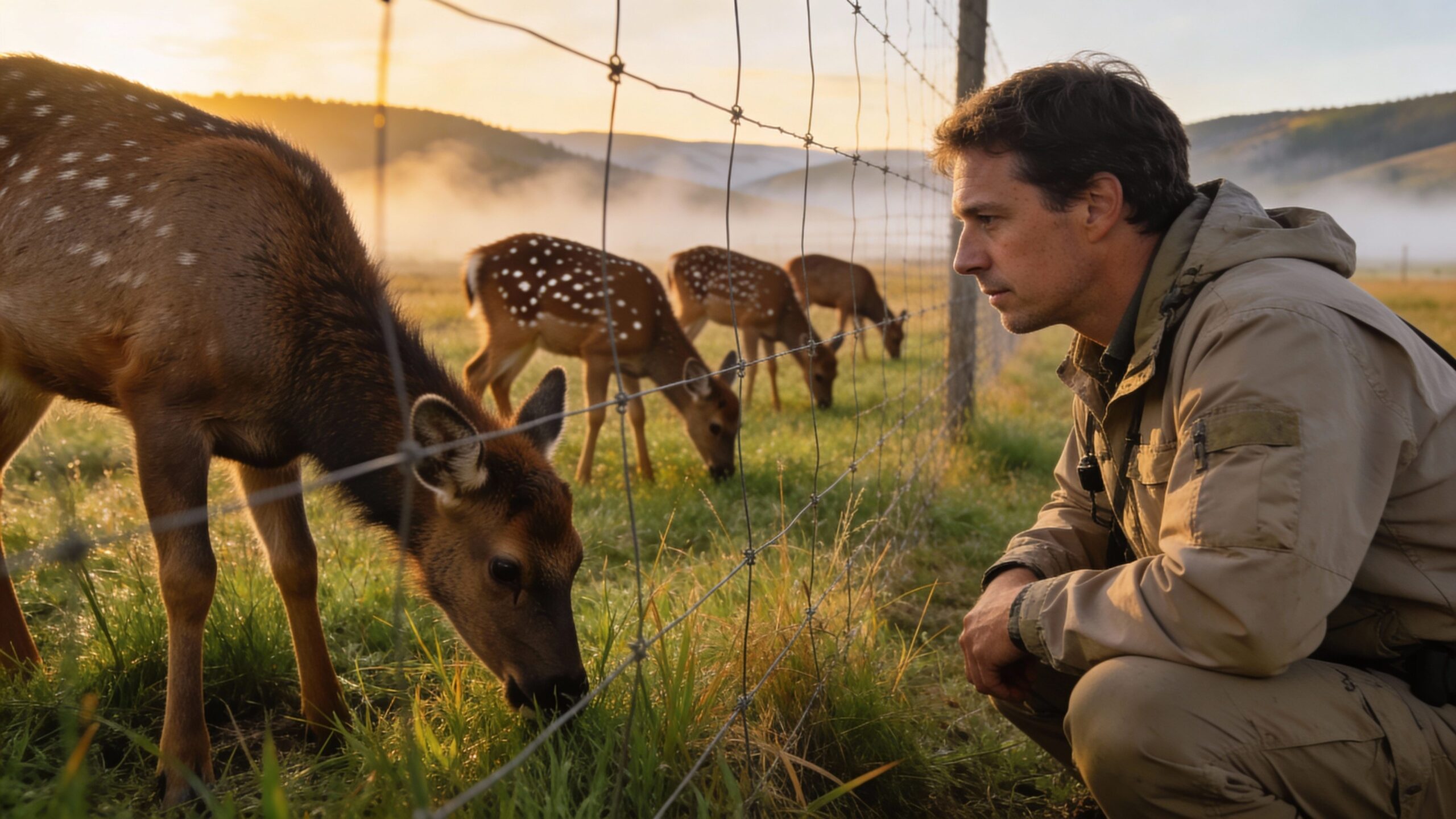
Conservation Breeding Programs sit at the crossroads of science, stewardship, and the future of wildlife. On Hunting Streets, this hub explores how carefully managed breeding efforts help stabilize threatened species, rebuild genetic diversity, and support long-term habitat restoration. From game species recovery to endangered predators and keystone animals, these programs play a quiet but critical role in keeping ecosystems balanced and wild places alive. Here, we break down how breeding initiatives are designed, how genetics guide pairing decisions, and how animals are prepared for reintroduction into natural ranges. You’ll learn how conservation breeding connects with land management, ethical hunting, and responsible wildlife observation—showing that conservation and tradition often walk the same trail. Whether you’re curious about captive breeding success stories, modern tracking methods, or the challenges of releasing animals back into the wild, this section delivers clear insight and grounded perspective. Conservation Breeding Programs aren’t about control—they’re about giving wildlife the best chance to thrive, naturally, for generations to come.
A: No. Many support sustainable hunting through healthy populations.
A: Not always—some remain to support genetic diversity.
A: Ideally no; the goal is self-sustaining wild populations.
A: Often 10–30 years, depending on species and habitat.
A: Wildlife agencies, conservation groups, and research institutions.
A: Only after populations fully recover and regulations allow.
A: Habitat loss and human conflict.
A: Support habitat protection and science-based management.
A: No—but lessons improve future efforts.
A: Some populations need immediate genetic or numeric support.