
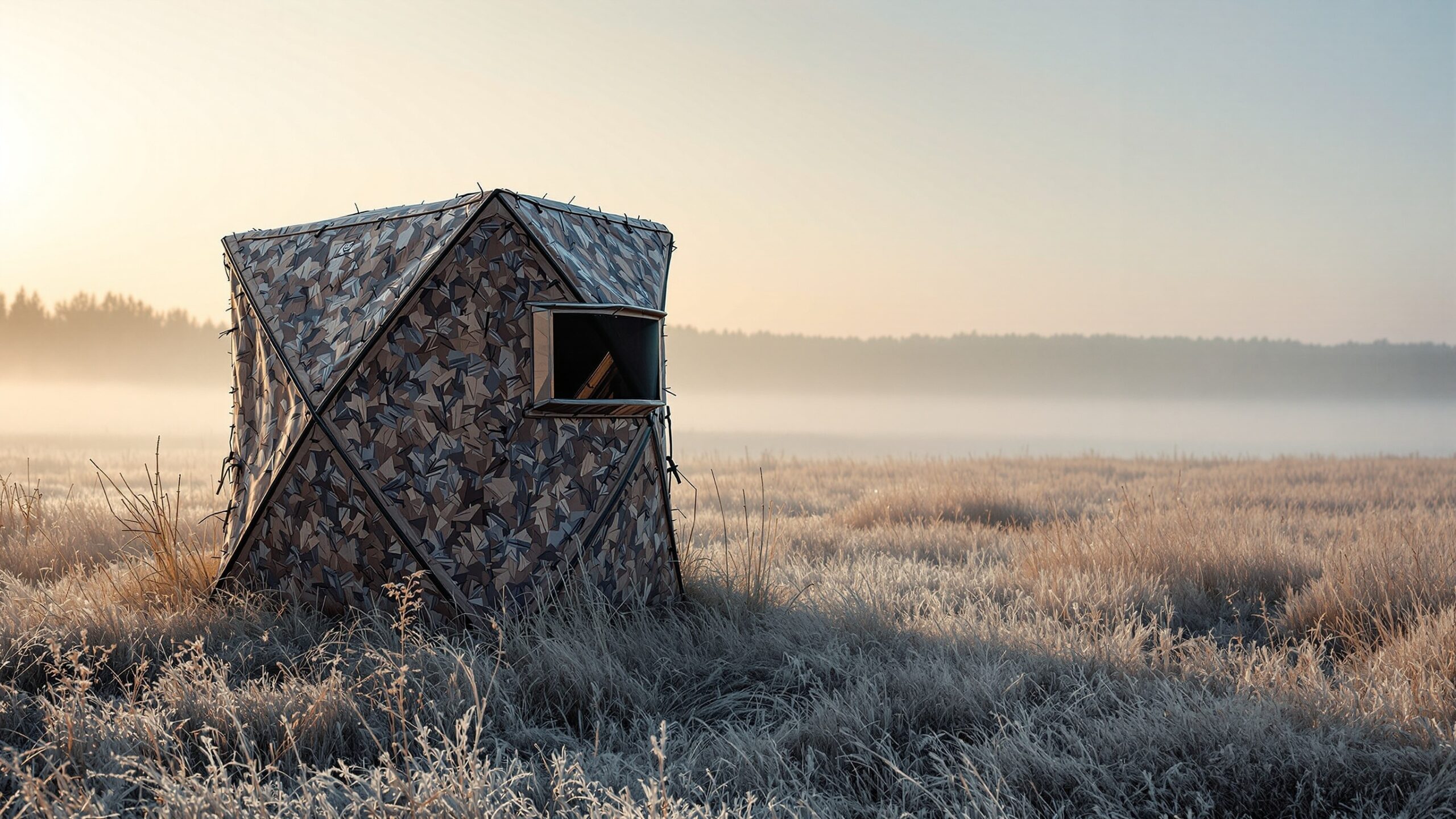
Few moments in hunting feel as electric as settling into position and watching the woods wake up. Tree stands and blinds turn patience into advantage, placing you above the swirl of ground scent or tucked into shadows where movement disappears. They’re not just hiding spots—they’re strategy, comfort, and timing, built around wind, sign, and the rhythm of the animals you’re pursuing. This section of Hunting Streets dives into the world of hang-ons, climbers, ladder stands, pop-up blinds, and natural brush setups. You’ll explore placement tactics, concealment tricks, access routes that stay quiet, and small comfort upgrades that keep you alert through long sits. We also unpack smart site selection—funnels, food edges, bedding transitions—and how to adjust for early season heat, late season cold, and shifting winds. Whether you’re bowhunting tight corridors or setting a blind for open fields, you’ll find practical guidance that helps you sit longer, move less, and see more. Because when your setup blends perfectly into the landscape, the hunt feels closer, calmer, and wonderfully precise. Gear, spot, moment—dialed in every time.
A: Stands help with visibility and scent; blinds excel at hiding movement and work in open cover.
A: Focus on wind first, then funnels, edges, and sign that matches time of day.
A: Earlier is better when possible—especially in pressured areas.
A: High enough for cover and shots, but not so high that angles become awkward.
A: Tighten straps, secure loose items, and avoid metal-on-metal contact.
A: No—open only what you need to reduce movement and light leak.
A: Break up your outline, keep motion minimal, and use back cover.
A: Long enough to catch movement windows—comfort and focus make the difference.
A: Practice from elevation to learn angles and anchor consistency.
A: A quieter setup and better seat often beat adding more gear.

