
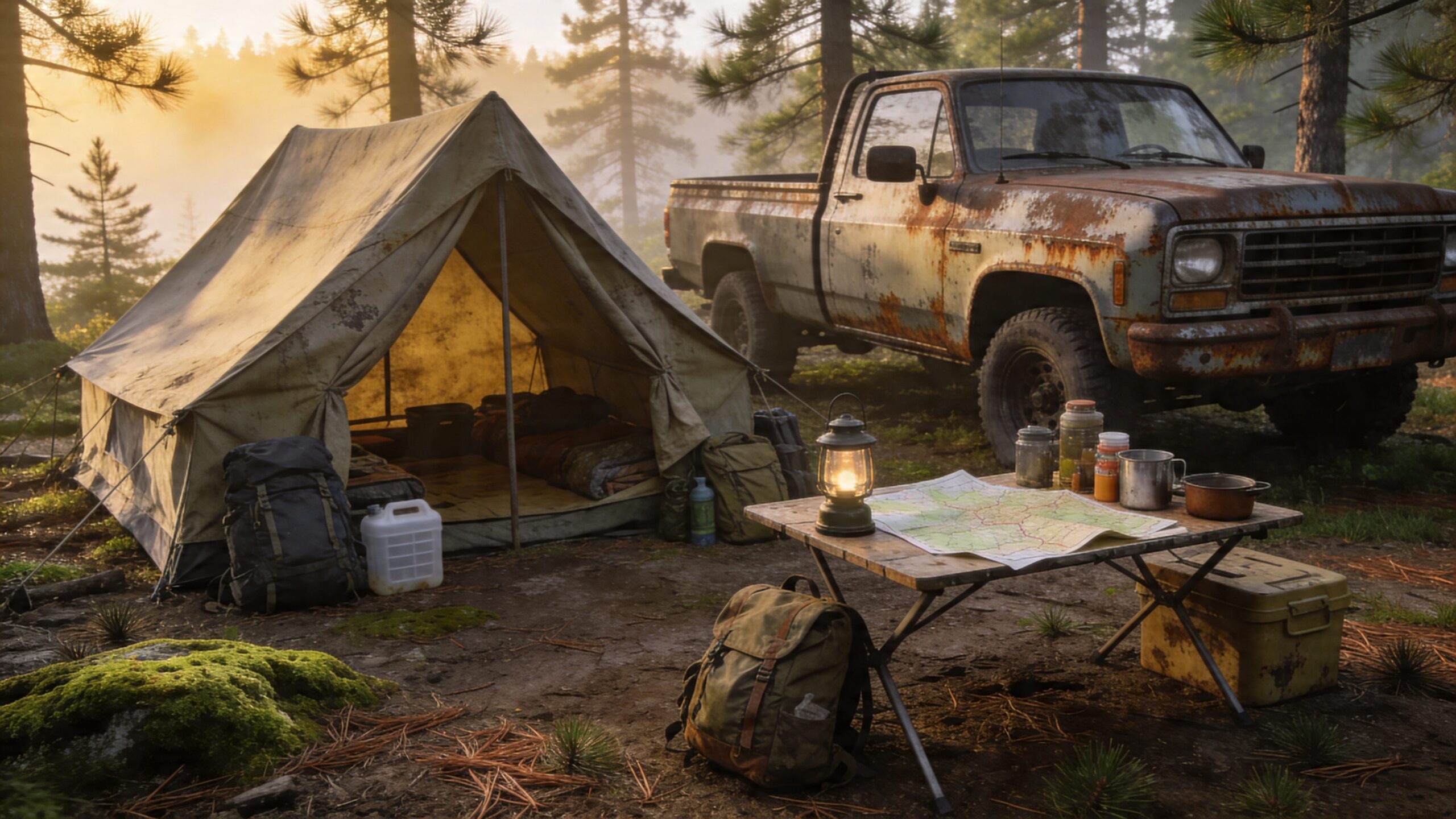
Camp setup and logistics are where great hunting trips are either strengthened or quietly unraveled. A well-chosen campsite can save energy, protect gear, improve safety, and make every morning in the field more efficient. From selecting the right ground for shelter and organizing food, water, and fuel to planning lighting, storage, and pack-out routines, the way camp is built affects comfort, focus, and success. Whether you are setting up a simple spike camp deep in the backcountry or building a more established base near vehicle access, smart logistics help every part of the hunt run smoother. This section explores the systems behind a dependable hunting camp, bringing together practical advice, field-tested ideas, and useful details that are easy to overlook when excitement takes over. You will find guidance on shelter placement, gear organization, cooking zones, sanitation, weather readiness, and day-to-day camp flow. It is all about building a camp that works with the terrain, supports the hunt, and helps you stay prepared, comfortable, and ready for whatever the wilderness delivers.
A: On level, dry ground with safe access to water and shelter.
A: Close enough for efficiency, far enough to avoid disturbing game.
A: Shelter, food, gear, and sanitation should each have clear zones.
A: Store it sealed and away from sleeping areas.
A: Lanterns for camp and headlamps for hands-free movement.
A: Use tarps, bins, and a dedicated drying area.
A: It depends on access, mobility, and how much gear you need.
A: Next-day clothing, boots, pack, optics, and essentials.
A: Very—clean camps are safer, faster, and easier to manage.
A: Good organization, dry gear, and simple daily routines.