
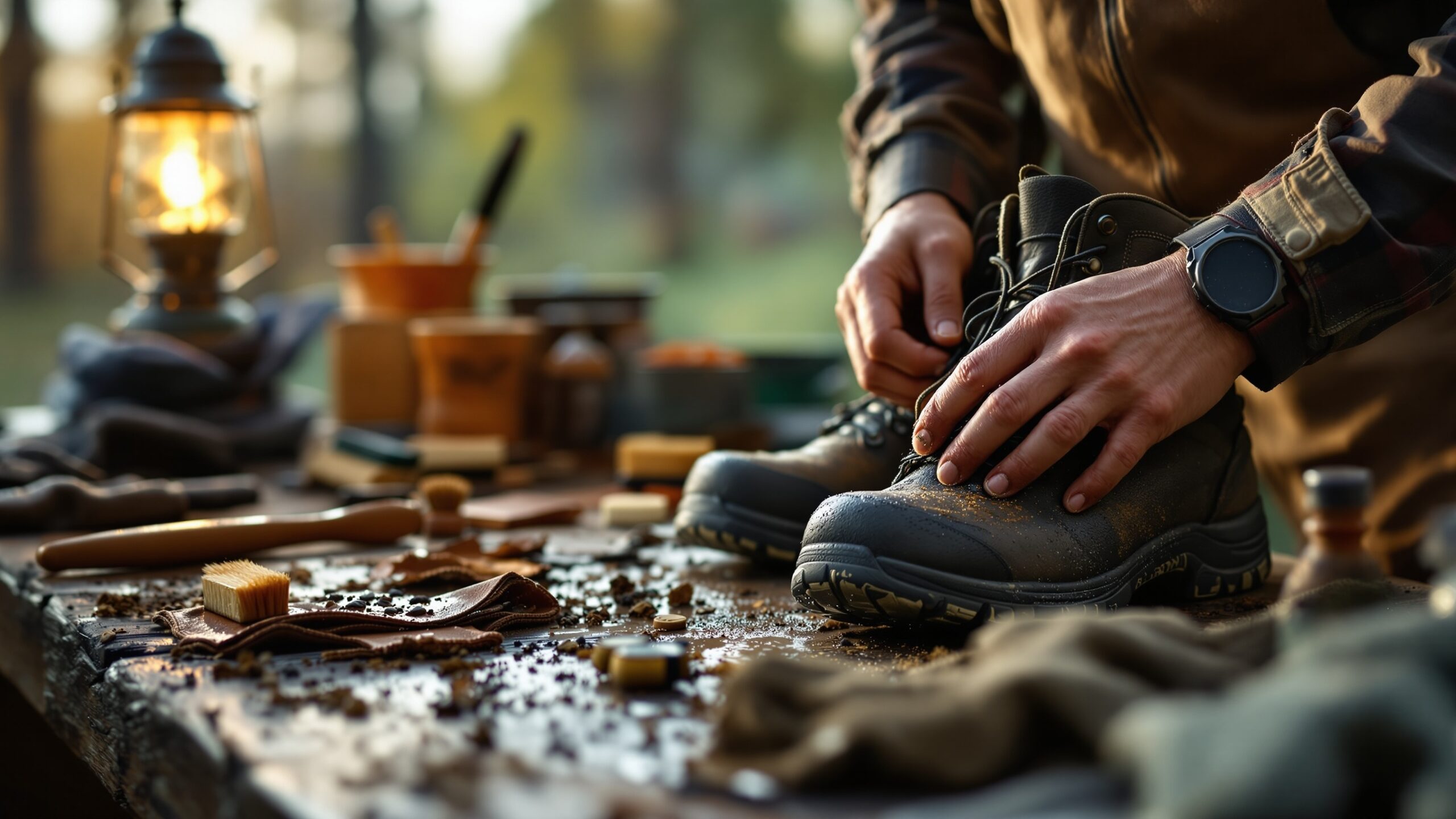
Nothing ruins a hunt faster than gear that quits when the weather turns. Hunting Streets’ Hunting Gear Care & Field Maintenance hub is your camp-tested guide to keeping the essentials reliable—from boots and packs to optics, layers, and the tools you trust miles from the truck. Here you’ll find practical articles on cleaning, drying, storing, and field-checking equipment so it performs quietly, safely, and predictably. We break down what to inspect before season, how to prevent corrosion and mildew, how to protect lenses from dust and scratches, and how to fix common issues at camp without turning your workspace into a mess. You’ll also discover smart routines for scent control, waterproofing, seam sealing, and repairing straps, buckles, zippers, and fabric tears. Whether you’re chasing elk in snow, sitting whitetail in cold rain, or hiking into upland cover, this category helps you build a dependable maintenance rhythm—so your focus stays on the terrain, the wind, and the moment that matters.
A: Use airflow and moderate warmth—avoid high heat; remove insoles and loosen laces.
A: Blow off grit first, then use a clean microfiber cloth with gentle pressure.
A: When water stops beading—clean first, then apply the right treatment for the fabric.
A: Brush out debris, align the track, and avoid forcing it; grit is usually the culprit.
A: Tape, needle/thread, spare buckle, cordage, and a small tool for quick adjustments.
A: Clean and dry everything, then store in a cool, dry space with airflow and moisture control.
A: Tighten straps, pad rubbing points, and test movement in quiet conditions before heading out.
A: Moisture and oils hide in fabrics and foam—proper washing and full drying are key.
A: Yes—temporary fixes work best when you prep surfaces and back them up with stitching later.
A: A 10-minute post-hunt routine: dry, brush, inspect, and re-pack thoughtfully.

