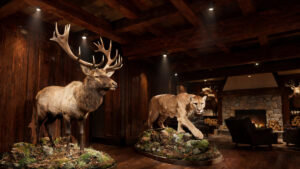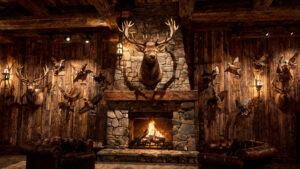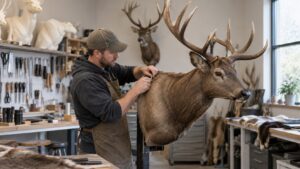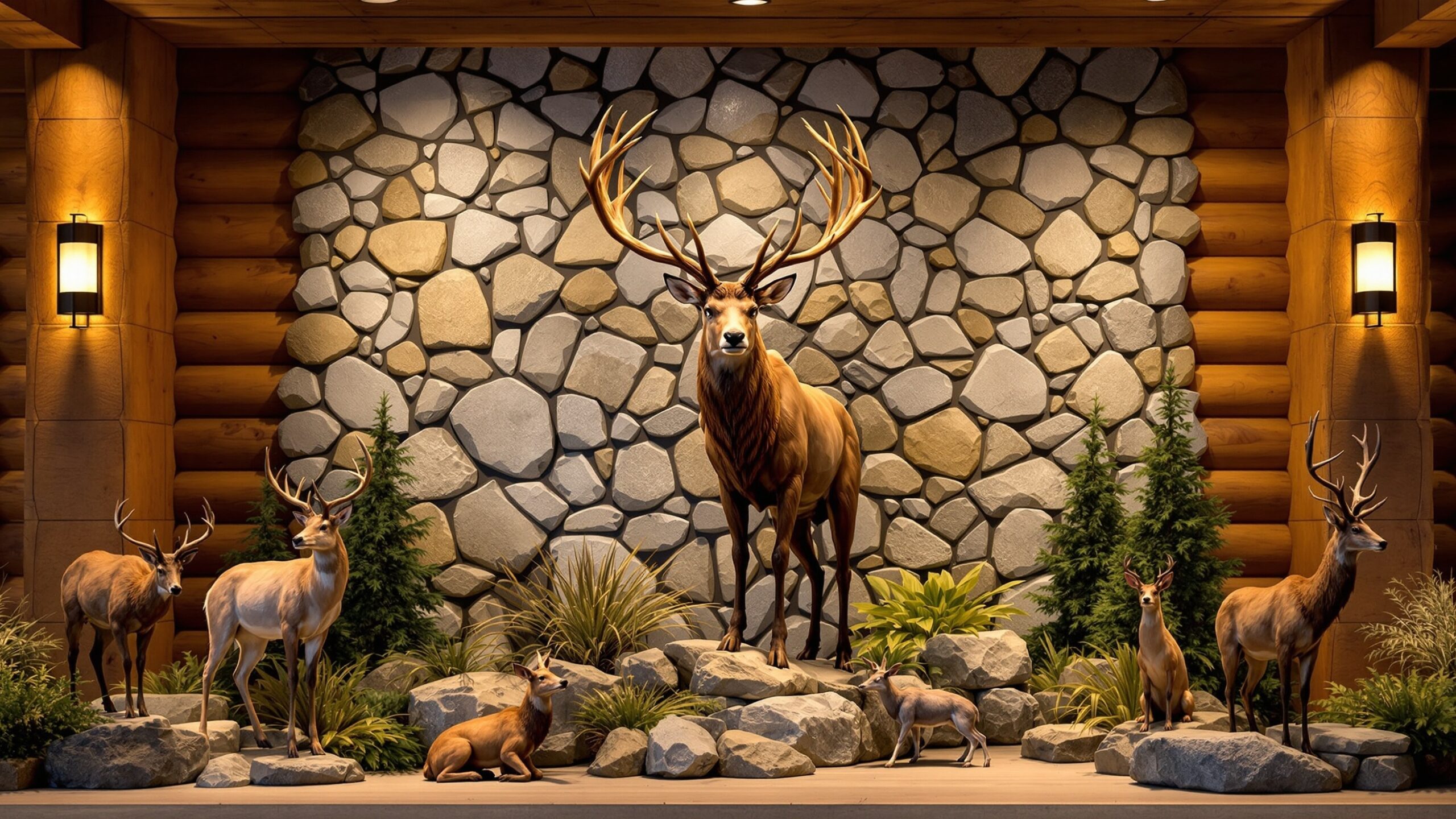
Welcome to Taxidermy & Mount Design—where craftsmanship, storytelling, and respect for the animal come together in a piece you’ll live with for decades. This page explores the art and engineering behind great mounts: lifelike anatomy, natural poses, glassy realism in eyes and expression, and the subtle details—ear set, nose texture, muscle flow, and hair direction—that separate “mounted” from museum-grade. Dive into design choices that shape a room and a memory: shoulder vs. pedestal, wall mounts vs. floor displays, habitat scenes, European skull styles, and modern, minimalist plaques that let the specimen speak without shouting. We’ll cover field care that protects hide quality, cape prep basics, sizing, turnaround expectations, and how to communicate your vision with an artist so the final piece matches the moment you remember. Expect guides on lighting, placement, and long-term care—because a mount isn’t finished when it’s delivered; it’s finished when it lives beautifully in your space. Whether you love classic lodge tradition or clean contemporary presentation, this hub helps you plan, choose, and design mounts that feel alive, timeless, and truly yours.
A: Field care—cool, clean, and fast handling protects hide quality and detail.
A: Shoulder = lifelike presence; euro = clean, modern, space-friendly display.
A: Choose natural movement that matches the story—calm, alert, or mid-turn.
A: Review portfolios for realism, ask about timelines, and communicate your design goals clearly.
A: Keep it cool, clean, and dry; freeze promptly if you can’t deliver quickly.
A: Out of direct sun, away from heat sources, and in stable indoor humidity.
A: Gentle dusting and soft airflow—avoid wet cleaners unless advised by the artist.
A: Dramatic angles and 3D presence—best when you have space for depth.
A: Use stud-rated hardware and proper anchors—treat it like hanging heavy furniture.
A: Consistent spacing, thoughtful lighting, and a mix of mount styles for balance.