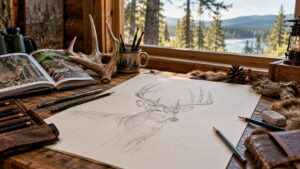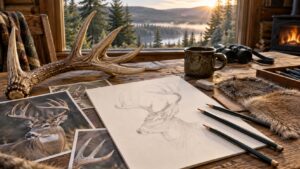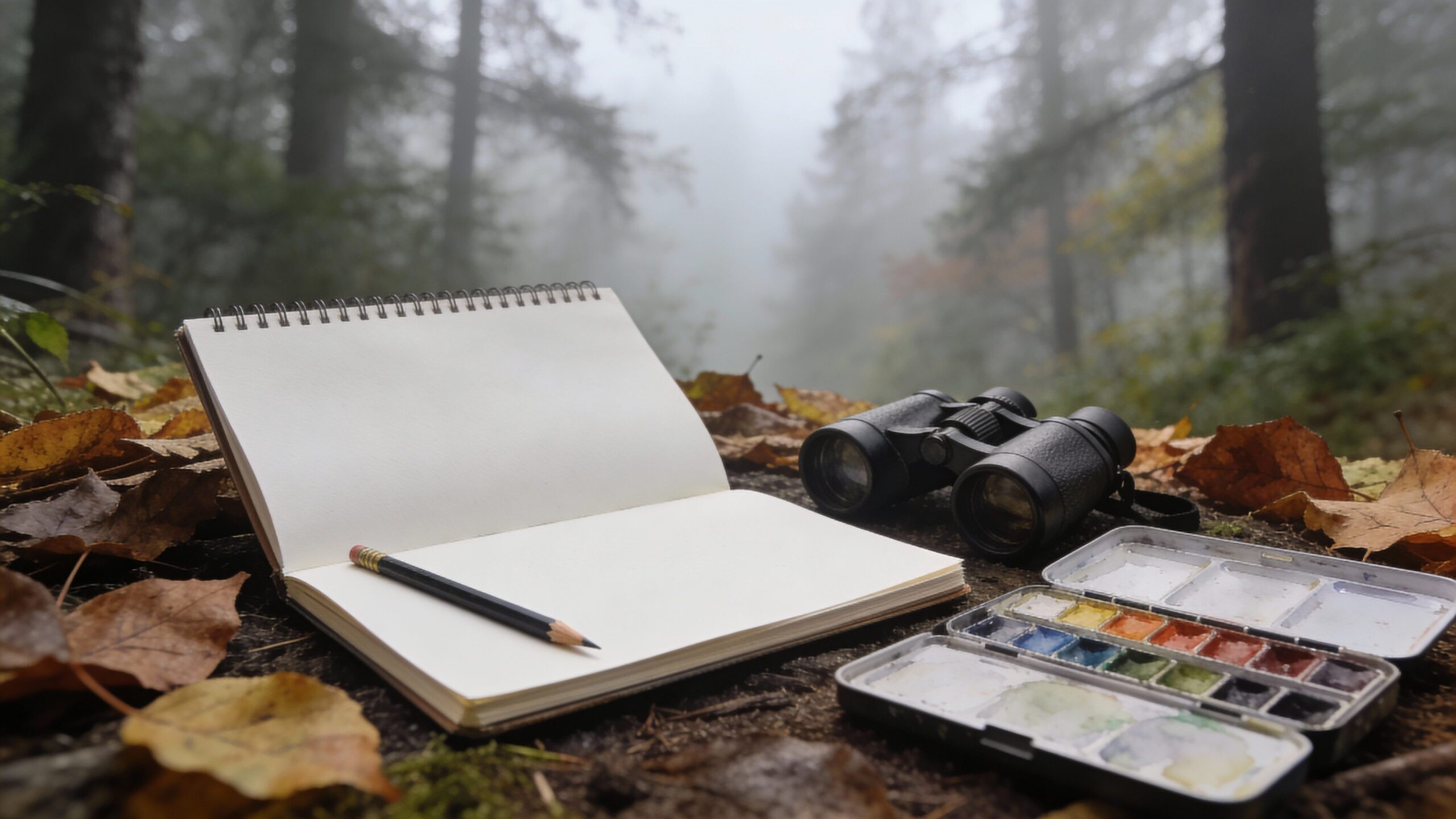
Hunting is full of moments that feel bigger than words—the hush before sunrise, the geometry of tracks in fresh snow, the sudden flash of movement at timberline. Hunting Art & Illustration on Hunting Streets is where those moments become visual stories. This hub celebrates the creative side of the field: detailed wildlife studies, rugged plein-air sketches, classic sporting scenes, and modern illustration styles that capture the mood of the hunt without needing a single caption. You’ll find inspiration for everything from graphite track diagrams and watercolor habitat scenes to bold poster-style compositions and textured, painterly landscapes. We’ll explore how artists use light, shadow, and color to suggest weather, distance, and emotion—and how small details like ear posture, wind direction, and terrain lines can turn a drawing into a true field memory. Whether you’re an artist building a portfolio, a collector hunting for iconic styles, or a curious reader who loves the culture behind the craft, these articles bring campfire stories to life on the page. Step closer, look longer, and let the wild sharpen your eye.
A: No—strong observation and respectful storytelling go a long way.
A: Do short gesture sketches daily and one longer study weekly.
A: Block big forms first, then add selective texture in the focal area.
A: Both—photos help, but field observation improves authenticity.
A: Add atmospheric depth, value separation, and foreground framing.
A: Light, terrain, sign, and the quiet tension of anticipation.
A: Start with three core hues plus a warm and cool neutral.
A: Absolutely—sign tells a complete story with mystery built in.
A: Put the focal area near a third and guide the eye with diagonals.
A: Use clean, evenly lit images and consistent crops—avoid added text overlays.