
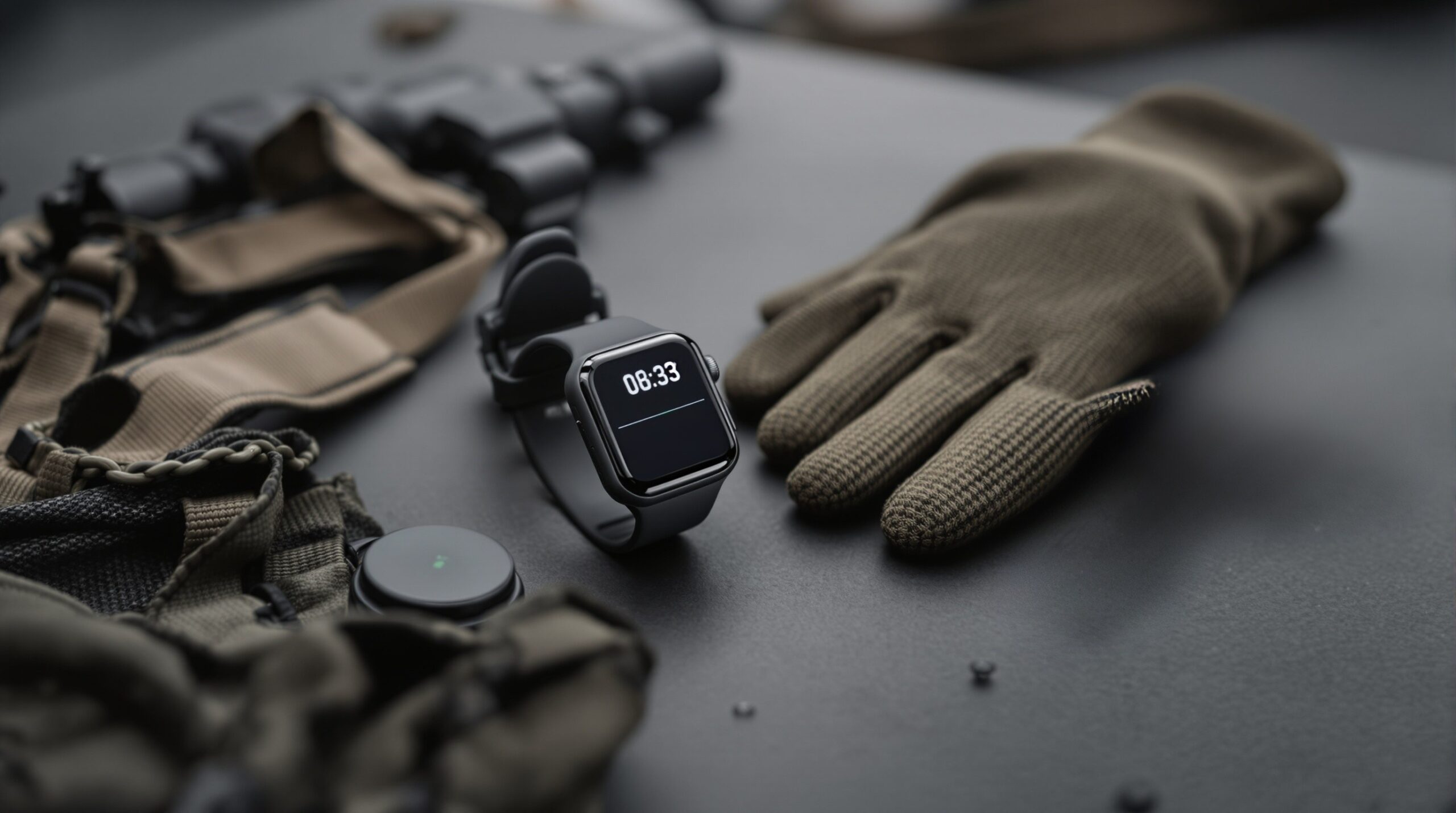
Welcome to Hunting Tech & Wearables—where backcountry tradition meets modern signal, sensor, and survival smarts. This hub rounds up the gear that helps you move quieter, see farther, and stay safer: GPS mapping and offline topo layers, rugged smartwatches that log elevation and biometrics, and weather-aware alerts that can change a stalk or save a night. Dive into thermal and low-light workflows, laser rangefinding fundamentals, and the small-but-mighty accessories—battery banks, solar mats, headlamps, and glove-friendly controls—that keep critical tools running when temps drop. We’ll cover trail cameras and data strategy, tag-friendly photo management, and how to tune wearable settings for long sits, steep climbs, and high-adrenaline moments. Expect deep dives on fit, durability, and data privacy, plus setups for bow, rifle, and camp. Your next upgrade starts here—built for cold and miles. Compare satellite communicators, hearing protection, and smart layering that fights sweat-freeze cycles. Learn what matters in field charging, firmware updates, and notifications, and see checklists for packing, pairing, and testing device before opening day—so tech supports the hunt, not the other way around.
A: Offline maps, key layers, and any emergency contact/route notes—then test airplane mode navigation.
A: Insulate spares, keep power near your body, and charge in short bursts instead of deep drains.
A: Rangefinder for real-time distance/angle; dope data to confirm holds—practice the sequence.
A: Not always—too high increases false triggers; tune sensitivity to the site and season.
A: Prioritize safety comms, then navigation, then comfort devices—charge in that order.
A: Disable sounds/vibrations, lower brightness, use lock modes, and avoid notifications during stalks.
A: Only if you can fully test afterward; otherwise wait until after the hunt.
A: Use consistent folders and timestamps; back up when you’re home, not in the field.
A: Yes—lightweight backups are cheap insurance when electronics fail.
A: Set simple defaults, practice at home, and use devices as support—your senses still lead.

