
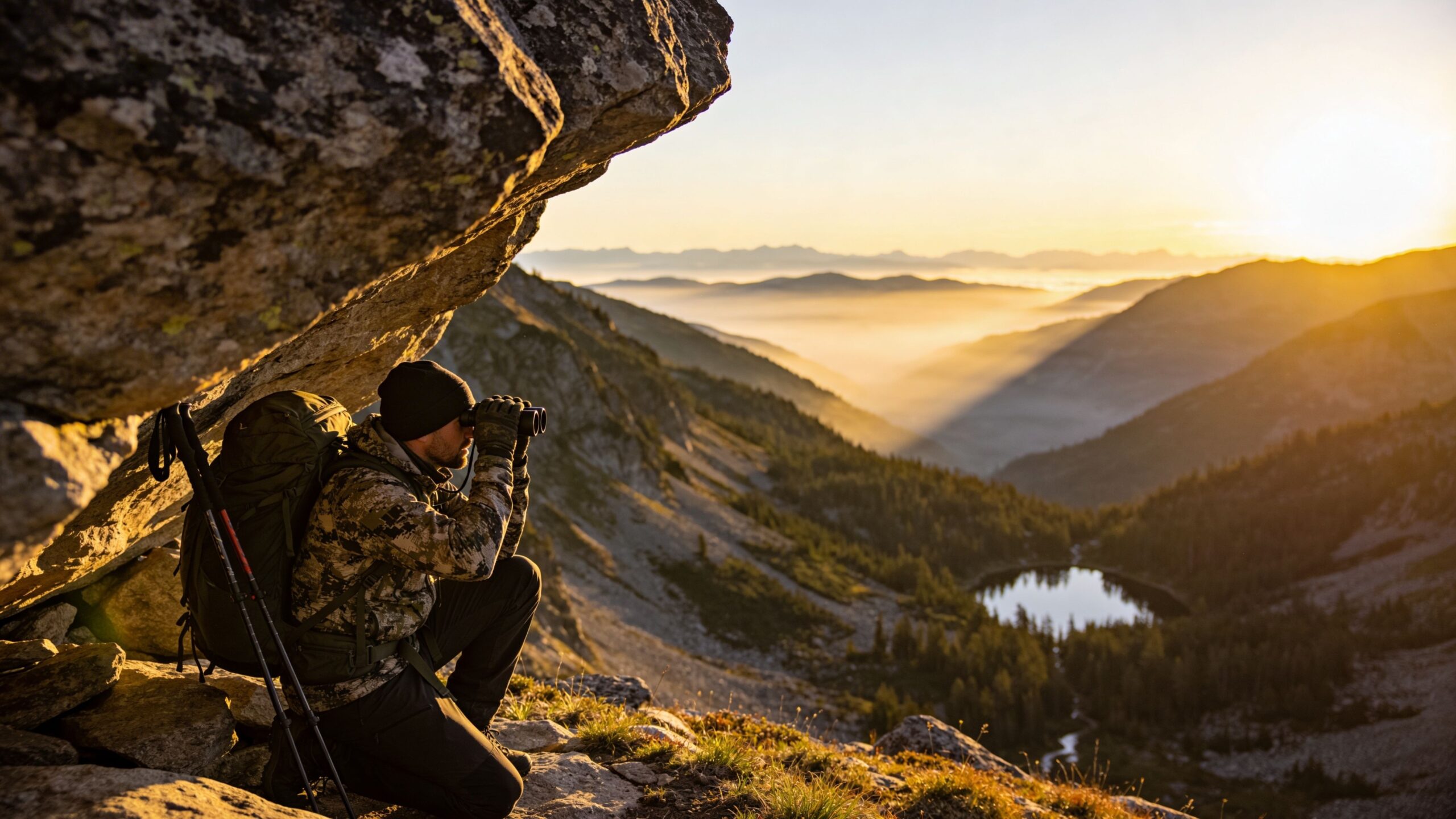
Backcountry hunting is where the map stops being a suggestion and starts being a promise. It’s boots on steep dirt before daylight, cold air in your lungs, and miles of wild country between you and the nearest help. Out here, every decision matters—where you glass, how you manage wind, when you push, and when you camp. The reward isn’t just an animal; it’s the full-circuit adventure: scouting, hiking, reading sign, earning elevation, and learning the land until it feels like a living puzzle. Backcountry hunts demand more—fitness, grit, navigation, and the discipline to keep moving when comfort disappears. But they give more, too: unpressured pockets, bigger solitude, and stories that stick. This page is your trailhead for all things backcountry—strategy breakdowns, gear systems, safety essentials, and hard-won lessons for packing in, hunting smart, and packing out. If you’re ready to trade convenience for possibility, you’re in the right place.
A: Far enough to hunt effectively—start moderate and scale up with experience.
A: Navigation plus decision-making—knowing when to push and when to turn back.
A: Strongly recommended in remote terrain for emergencies and check-ins.
A: Get hide off, bag it, hang in shade/airflow, and plan fast transport.
A: Tents offer comfort and bug/wind protection; tarps save weight but demand skill.
A: Enough to reach the next reliable source with margin—terrain and heat decide.
A: 1–2 nights to test gear and systems before longer pushes.
A: Track your route, confirm landmarks, and carry a compass/paper backup.
A: Packing heavy comfort items and skipping essentials like foot care or rain protection.
A: A hard time or weather threshold that keeps you safe no matter what.