
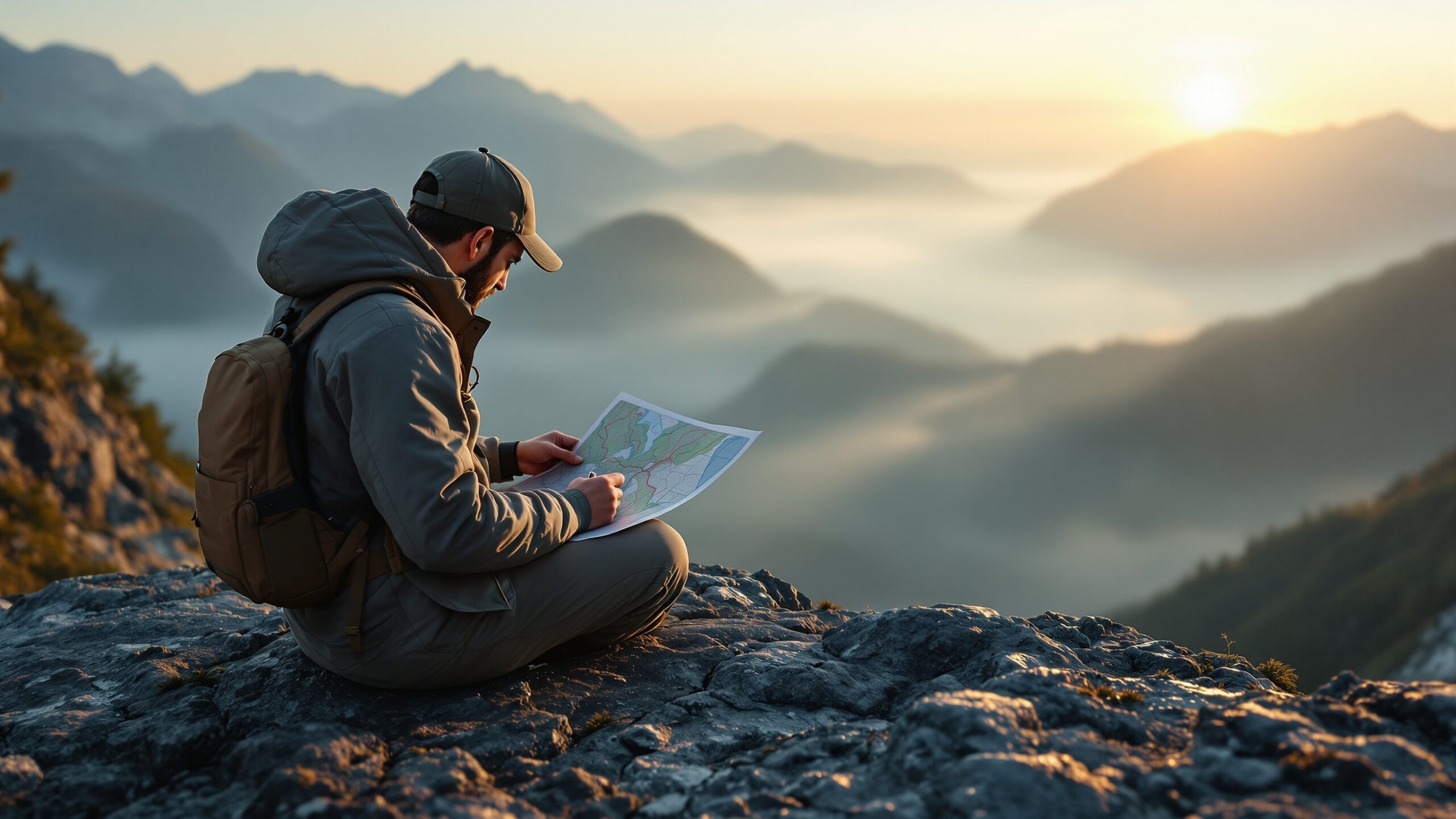
In the backcountry, confidence comes from knowing exactly where you are—and where you’re headed next. GPS, mapping, and navigation tools turn wide-open wilderness into a readable landscape, helping hunters move smarter, safer, and quieter. Whether you’re threading through dark timber before sunrise, side-hilling to a hidden basin, or tracking a long blood trail as daylight fades, navigation is the skill that keeps every decision on course. This section of Hunting Streets explores the full navigation stack, from satellite-based GPS units and mapping apps to compasses, printed topo maps, and the real-world techniques that tie them together. You’ll learn how to plan routes, mark waypoints, interpret terrain lines, and build reliable backups for dead batteries, bad weather, and no-signal valleys. We break down map layers, coordinate systems, and field-proven habits for staying oriented when the trail vanishes. Built for new hunters and seasoned roamers alike, GPS, Mapping & Navigation is your hub for sharper route planning, safer returns, and that calm, steady feeling of always having a way home—no matter how far you push into the wild.
A: Phones work well with offline maps, but a dedicated GPS adds redundancy.
A: The trailhead or vehicle location, every trip.
A: The difference between magnetic north and true north—set it correctly for compass accuracy.
A: Use airplane mode, lower brightness, and carry backups.
A: Yes—paper is dependable when electronics fail.
A: Signal obstruction can reduce precision.
A: Use ridges/drainages as handrails and build a fallback path.
A: It’s useful, but don’t skip learning terrain and bearings.
A: Topo for terrain, satellite for vegetation and clearings—use both.
A: Stop, look, and confirm position before moving when unsure.

