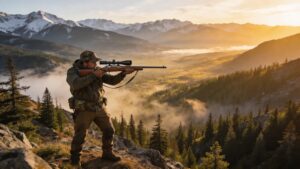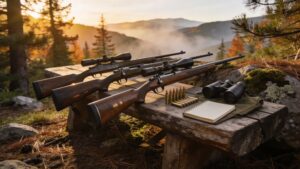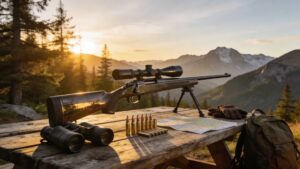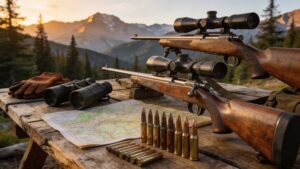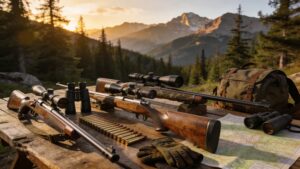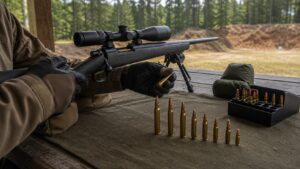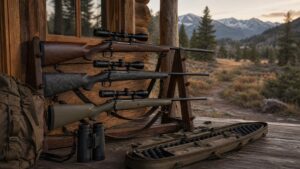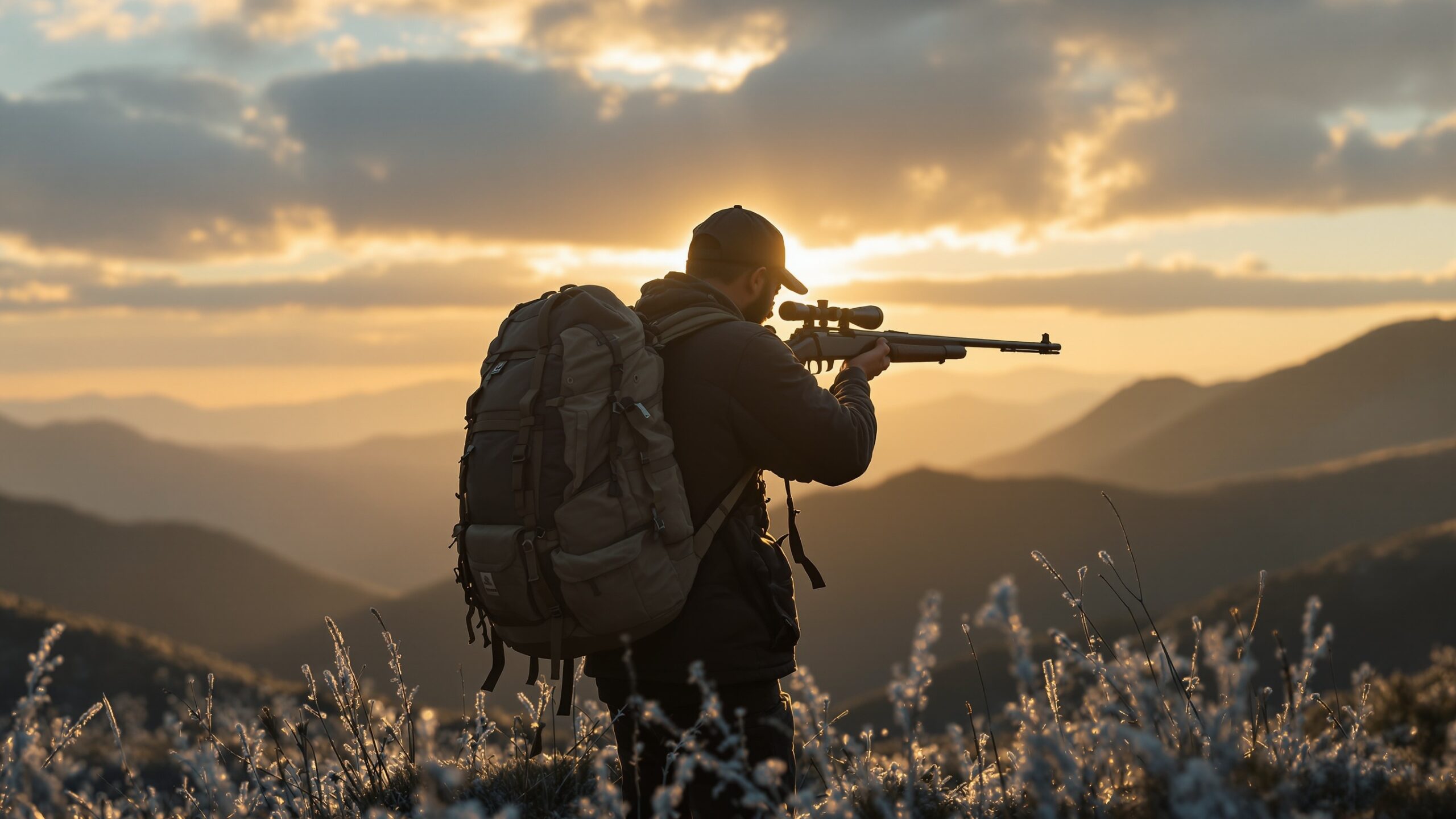
On Hunting Streets, Rifles & Calibers is where the hunt really starts—long before the alarm clock rings and boots hit the trail. This section is your campfire circle for understanding how rifle platforms, bullet weights, and calibers all work together in the real world, from tight timber shots to wide-open Western glassing. We’ll unpack classic .30-06 versatility, mild-mannered .243 trainers, magnum reach, and new-school cartridges built for flat trajectories and smart optics. Along the way, you’ll discover how recoil, barrel length, and bullet design shape your shooting confidence and ethical range. We’ll talk sight-ins that stick, dope that actually makes sense in the wind, and how to match caliber to quarry without over- or under-gunning. Whether you’re dialing in a first deer rifle, fine-tuning a mountain rig, or just geeking out over ballistics charts, this is your launch point. Rifles & Calibers brings expert insight down to earth so every squeeze of the trigger is safer, smarter, and more intentional—shot after shot, season after season, from range day experiments to once-in-a-lifetime tags, memories, and stories.
A: Many hunters start with mild options like .243 or 6.5-class cartridges that balance recoil and performance.
A: Common choices are 100 or 200 yards—pick one and confirm where your bullets land at other practical distances.
A: Not always; proper bullet choice, ethical range, and shot placement matter as much as raw cartridge size.
A: Barrel dimensions and harmonics differ; a bit of range testing helps reveal what your rifle groups best.
A: Many hunters clean after several range sessions or once a season, with light touch-ups during heavy use.
A: For most big-game hunts, something like 3–9x or 2–10x covers realistic shot distances comfortably.
A: Extra weight can soften recoil but may be tiring on long hikes; balance comfort with how you actually hunt.
A: Not necessarily; prioritize quick handling, clear optics, and loads that perform well at moderate distances.
A: Match loads focus on precision targets; hunting loads are built to perform reliably on animals.
A: Use proper stance, good hearing protection, and shorter practice strings; consider mild loads during training.