Why Deer Hunters Care So Much About Caliber Choice
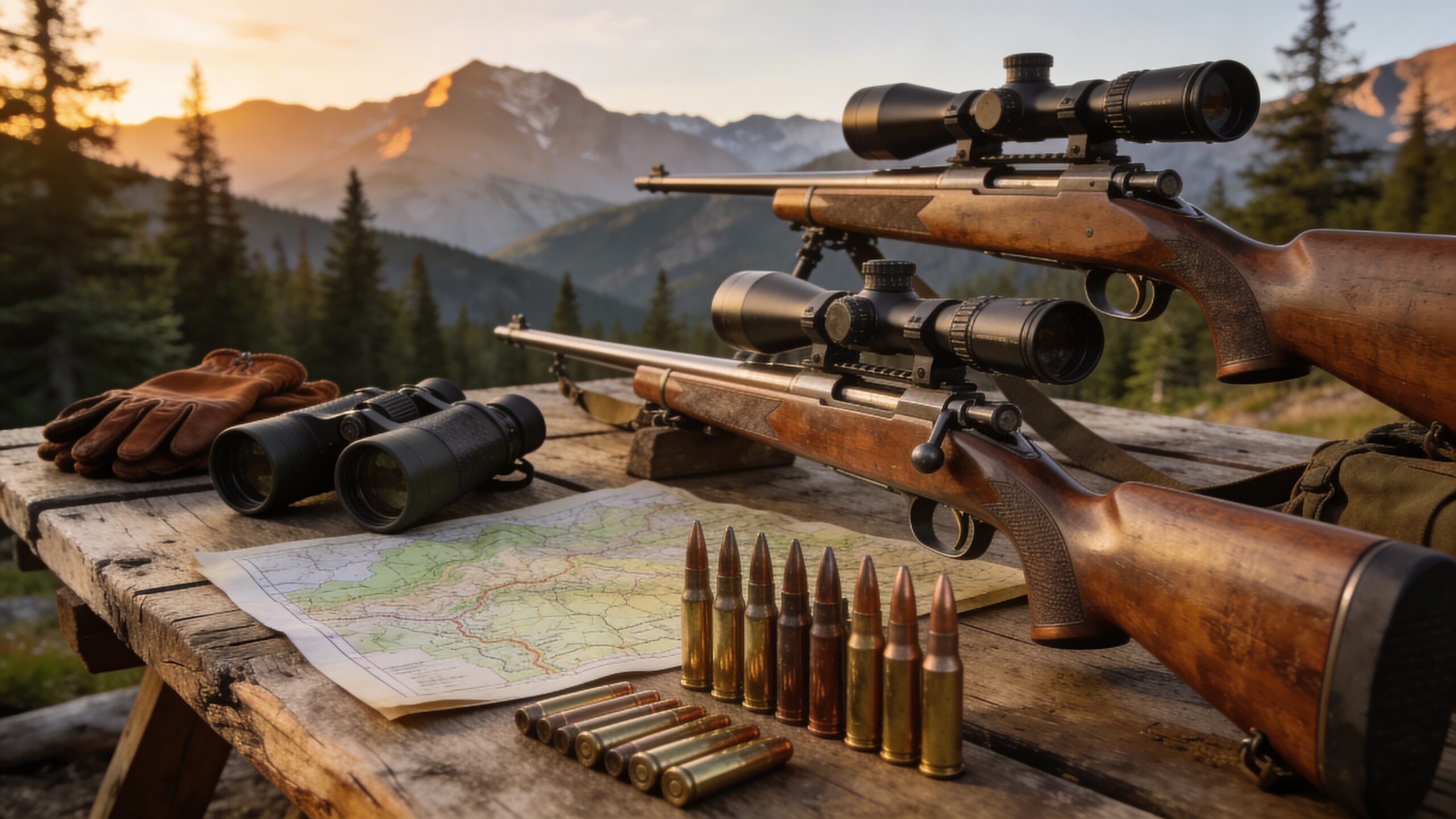
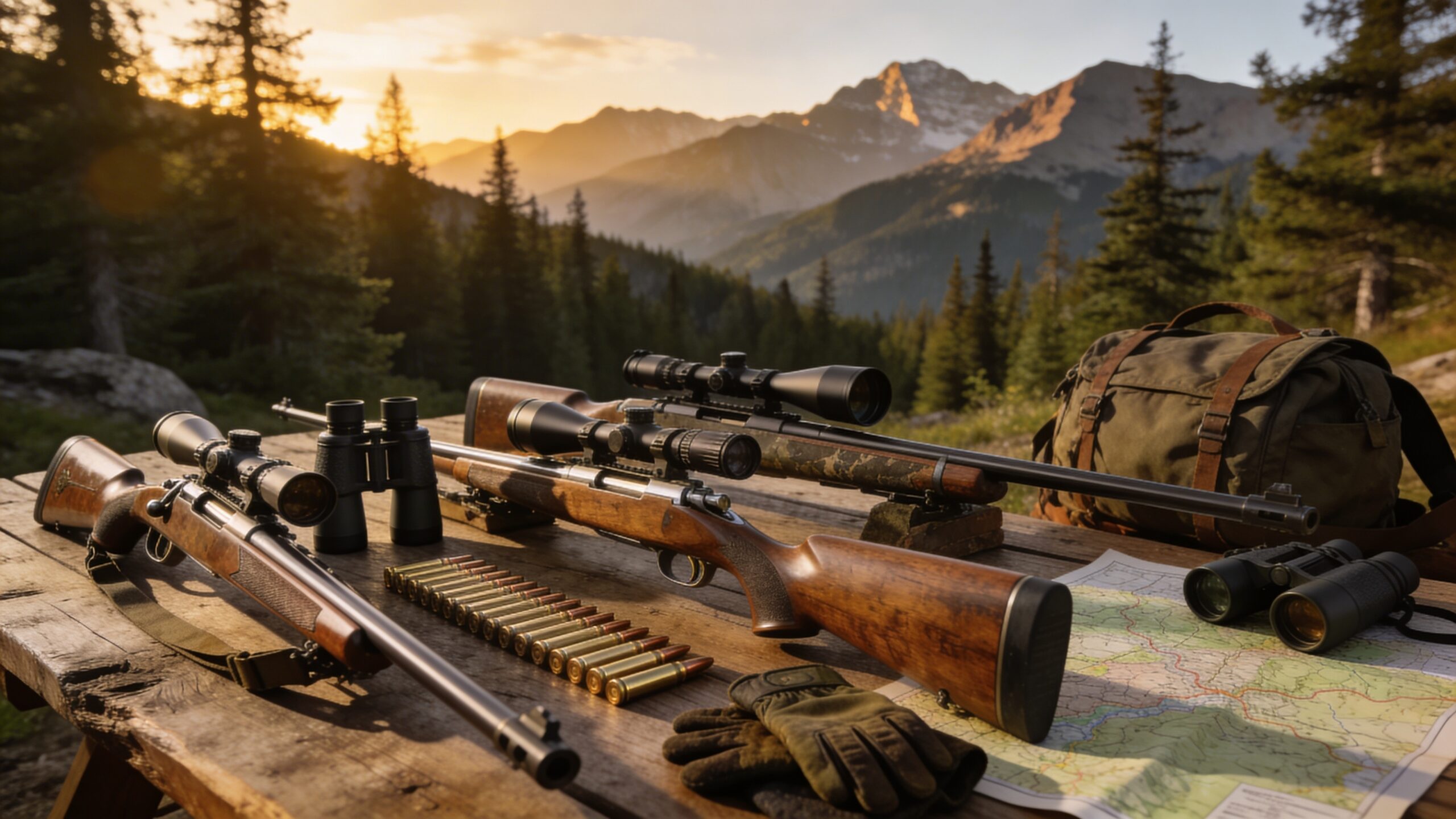
Deer hunting has a way of turning simple questions into passionate debates, and few topics inspire more discussion than rifle caliber. Step into a sporting goods store, gather around a campfire after a long day in the woods, or spend time with experienced hunters in farm country, mountain country, or big timber, and you will hear strong opinions about what makes the perfect deer rifle. Some hunters swear by classic cartridges that have filled freezers for generations. Others prefer modern calibers that promise better efficiency, flatter trajectories, or lighter recoil. The truth is that deer hunting does not demand one magical cartridge, but it does reward smart caliber selection. The best deer hunting caliber is not just about energy on paper. It is about finding the right balance of accuracy, recoil, range, bullet performance, and confidence in the field. Deer are not the largest big-game animals in North America, but they still deserve an ethical, effective cartridge that can deliver dependable performance in real hunting conditions. A hunter who chooses a caliber that fits their body, rifle, terrain, and experience level will almost always be better prepared than someone chasing raw power alone. That is why the best rifle calibers for deer hunting are the ones that keep showing up season after season in the hands of hunters who know what works.
What Makes a Great Deer Hunting Caliber
A great deer caliber starts with practical power. It needs enough energy and penetration to deliver clean, humane results without requiring magnum-level recoil or oversized rifles. Deer are often taken at moderate ranges, especially in eastern woods and southern timber, so a good deer cartridge should perform well at common field distances while still offering enough flexibility for open-country shots where needed. That is one reason so many medium-power rifle cartridges have become standards in the deer woods.
Recoil matters more than many hunters want to admit. A cartridge that kicks too hard can create flinching, rushed shots, and less practice at the range. Deer hunting usually rewards precise shot placement much more than extreme power, so a lighter-recoiling cartridge that encourages regular shooting can be a better deer rifle choice than a heavy magnum that intimidates the shooter. Add in widespread ammo availability, strong bullet options, and a rifle platform that is easy to carry, and you have the formula for a truly excellent deer hunting caliber.
The Timeless Strength of the .30-30 Winchester
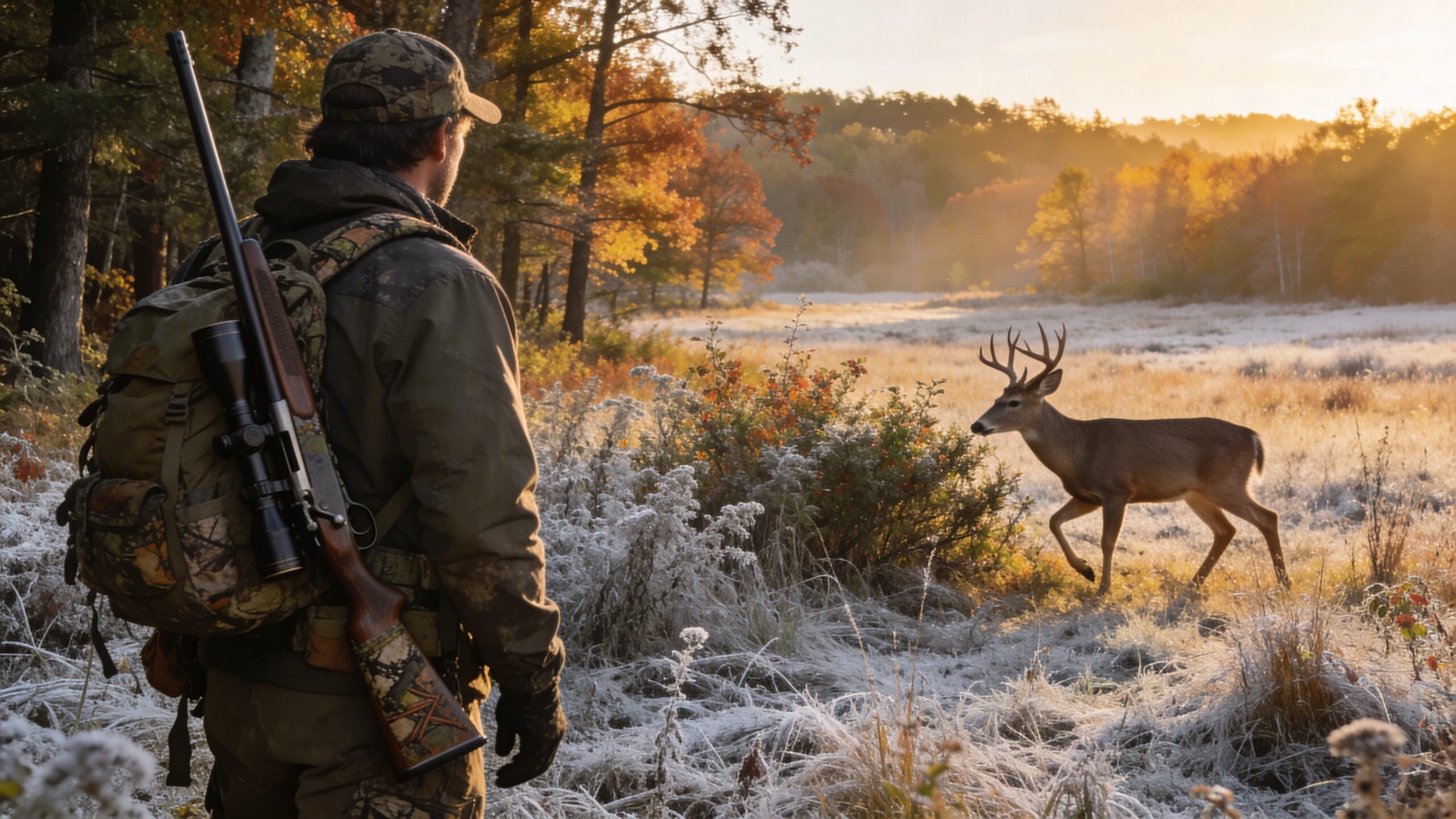
Few cartridges are as closely tied to deer hunting tradition as the .30-30 Winchester. For generations, it has been the trusted companion of hunters slipping through hardwood ridges, climbing into brushy stands, or covering rolling country where shots are usually quick and moderate in distance. In lever-action rifles, the .30-30 feels lively in the hands and carries with an easy balance that has made it beloved in deer camps across North America. What makes the .30-30 special is not flashy velocity or long-range performance. It is simple, reliable effectiveness inside the ranges where many deer are actually harvested. In thick cover, where a shot may come suddenly and disappear just as fast, the .30-30 offers fast handling, proven terminal performance, and a history too rich to ignore. It may not be the ideal cartridge for wide-open western bean fields or long-distance shooting, but for classic woods deer hunting, it remains one of the best rifle calibers ever made.
Why the .243 Winchester Remains a Favorite
The .243 Winchester has long been one of the smartest choices for deer hunters who value mild recoil, strong accuracy, and an easy learning curve. It is especially popular with younger hunters, smaller-framed shooters, and anyone who wants a deer rifle that feels pleasant at the range without sacrificing field capability. That combination of comfort and effectiveness is a major reason the .243 has remained one of the most respected deer cartridges for decades.
Loaded with the right hunting bullet, the .243 Winchester delivers excellent performance on deer-sized game while keeping recoil light enough for extended practice. That matters because confidence and shot placement are everything in deer season. A hunter who can shoot a .243 calmly and precisely often has a major advantage over someone wrestling with unnecessary recoil. For open country, farmland edges, and general whitetail hunting, the .243 continues to prove that a smaller cartridge can still be a serious deer round.
The .270 Winchester and the Art of Flat Shooting
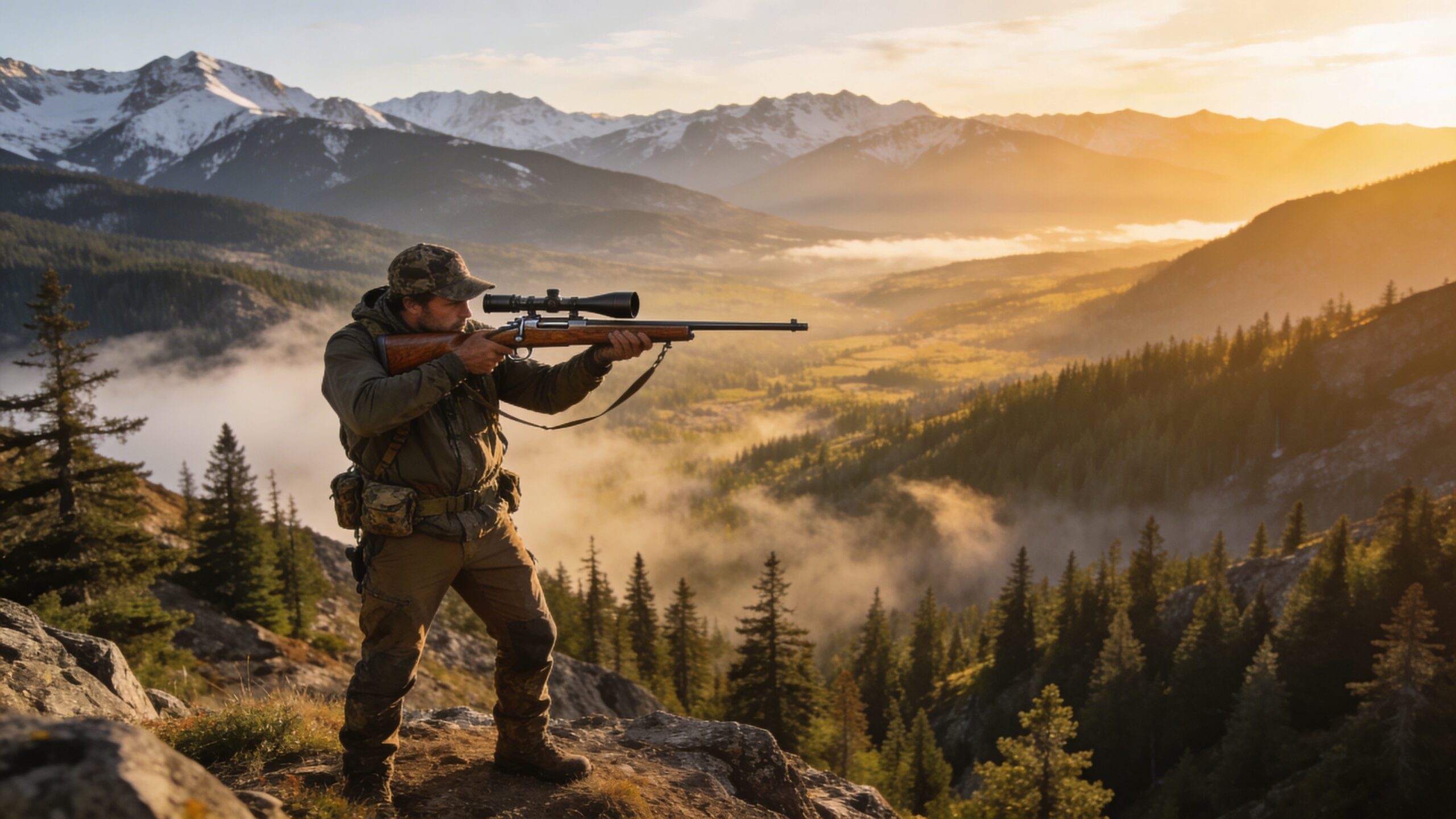
If there is one cartridge that has earned legendary status among deer hunters who like open spaces, it is the .270 Winchester. This cartridge built its reputation on speed, accuracy, and a flat trajectory that gives hunters extra confidence when shots stretch across fields, canyons, or western ridges. For decades, it has been one of the go-to calibers for hunters who want a rifle that can reach farther without crossing into punishing recoil territory. The .270 shines because it combines useful downrange performance with a recoil level that most hunters can handle well. It is more than enough for whitetail and mule deer, and it brings a little extra versatility for hunters who may also chase elk or antelope. On a deer hunt, that flat-shooting behavior can be a real advantage when range estimates are not perfect or when a buck steps out farther than expected. For hunters who want a classic cartridge with genuine open-country pedigree, the .270 Winchester remains one of the best deer hunting choices on the market.
The .308 Winchester: Balanced, Practical, Proven
The .308 Winchester is one of the most practical hunting cartridges ever developed, and deer hunters have benefited from that practicality for decades. It combines strong field performance, excellent accuracy, broad rifle availability, and a recoil level that is noticeable but still manageable for many shooters. It is not the flattest-shooting cartridge and not the softest-kicking, but it does nearly everything well, which is exactly why so many hunters trust it.
For deer hunting, the .308 offers a satisfying middle ground. It carries enough punch for larger-bodied deer, performs well at normal field distances, and works in short-action rifles that are often compact and easy to carry. It is also one of the easiest calibers to find ammunition for, which matters a great deal when you are practicing, confirming zero, and stocking up before the season. If a hunter wants a dependable deer cartridge with broad usefulness and a long record of success, the .308 Winchester deserves to be near the top of the list.
The Enduring Versatility of the .30-06 Springfield
It is difficult to discuss deer hunting calibers without giving major attention to the .30-06 Springfield. More than a century after its introduction, it still stands as one of the most versatile hunting cartridges ever designed. Deer hunters love it because it handles whitetails and mule deer with ease, yet it also gives them enough range and bullet flexibility to use the same rifle for larger game if the opportunity arises. For deer specifically, the .30-06 may be more cartridge than some hunters need, but it is never too much when matched with sensible bullet choices and good shooting habits. It produces more recoil than the .243 or .270, yet for many experienced shooters it remains comfortable enough to shoot well. The cartridge’s appeal lies in its flexibility, its near-universal ammo availability, and the deep confidence hunters place in it. In camps where one rifle has to do everything from deer season to elk season, the .30-06 still feels like one of the safest and smartest picks a hunter can make.
The Modern Rise of the 6.5 Creedmoor
The 6.5 Creedmoor became famous in precision shooting circles before it took over so much space in the hunting world, but deer hunters quickly recognized why it was worth serious attention. The cartridge offers excellent accuracy, efficient ballistics, and recoil that is softer than many traditional deer cartridges. That makes it appealing to new shooters, experienced marksmen, and hunters who appreciate long practice sessions without getting beat up.
For deer hunting, the 6.5 Creedmoor brings a modern blend of comfort and reach. It handles deer very well with proper hunting bullets, and its high-ballistic-coefficient projectiles help it perform nicely at longer ranges in open country. The recoil is easier for many shooters than cartridges like the .308 or .30-06, which can translate directly into better shooting under pressure. Some hunters still prefer older classics, but the 6.5 Creedmoor has absolutely earned its spot among the best rifle calibers for deer hunting today.
The 7mm-08 Remington: Quietly One of the Best
The 7mm-08 Remington does not always dominate hunting conversations the way some bigger names do, but it has earned a reputation as one of the most well-rounded deer cartridges available. Built from the .308 Winchester case and paired with efficient 7mm bullets, it offers an excellent mix of manageable recoil, strong ballistic performance, and dependable hunting power. Many hunters who try it end up wondering why it is not even more popular than it already is. For deer hunting, the 7mm-08 feels almost purpose-built. It has enough punch for larger-bodied deer, enough efficiency for longer shots, and mild enough recoil that many shooters handle it with real confidence. It is one of those cartridges that seems to hit the sweet spot between traditional power and modern efficiency. For hunters who want something a little different without giving up practical field performance, the 7mm-08 Remington is an outstanding choice.
Matching the Caliber to the Way You Hunt Deer
The best deer rifle caliber often depends less on ballistics charts and more on how and where you hunt. In thick woods, where shots are close and fast, a lively rifle in .30-30, .308, or .243 may feel ideal. In open crop country, where a buck may appear at the far edge of a field, a flatter-shooting cartridge like the .270 Winchester or 6.5 Creedmoor can offer real advantages. In mixed terrain, the most versatile cartridges tend to shine because they can handle whatever the day brings.
Body size, recoil tolerance, and shooting experience also matter. A new hunter may thrive with a .243 or 6.5 Creedmoor, building confidence through comfortable practice and steady accuracy. A seasoned hunter may feel perfectly at home with a .30-06 or .308 after years of shooting heavier rifles. There is no universal answer that fits every deer hunter, and that is part of what makes this conversation so interesting. The goal is not to choose the most powerful or fashionable round, but the one that fits your style of deer hunting so naturally that it disappears from your thoughts when the moment of truth arrives.
Bullet Choice Is Just as Important as Caliber
Even the best deer caliber can underperform if it is paired with the wrong bullet. Modern hunting bullets have become highly specialized, and that can be a huge advantage for deer hunters. A well-designed expanding bullet can make a moderate cartridge perform beautifully on deer, while a poorly matched load can reduce effectiveness even in a larger caliber. That is why experienced hunters think carefully not only about the cartridge name on the box but also about the bullet weight and bullet design inside it. For deer, many hunters prefer bullets that expand reliably while still penetrating well enough for broadside or slightly angled shots. Since deer are not as heavy as elk or moose, there is often no need to choose the toughest, heaviest construction available unless a specific situation demands it. The best approach is to test a few quality deer loads in your rifle, see what groups well, and then practice until you know exactly how that setup behaves. Good bullet selection turns a good deer caliber into a truly great one.
The Complete Guide Verdict
If you rank deer hunting cartridges by real-world usefulness, a handful of names keep rising to the top: .30-30 Winchester for classic woods hunting, .243 Winchester for mild recoil and precision, .270 Winchester for flat-shooting open-country performance, .308 Winchester for balanced versatility, .30-06 Springfield for all-around strength, 6.5 Creedmoor for modern efficiency, and 7mm-08 Remington for a remarkably well-rounded middle ground. Each one has earned its place honestly, through years of successful hunts in very different conditions.
The best rifle caliber for deer hunting is ultimately the one that allows you to shoot confidently, practice often, and hunt ethically. Deer season rewards preparation, patience, and shot placement more than it rewards chasing extreme numbers. If your rifle fits you, your caliber matches your terrain, and your chosen load shoots accurately, you are already in excellent shape. That is why the best deer caliber is not always the loudest, newest, or most powerful one. It is the one that helps you make the shot when the woods go still and the buck finally steps into view.