
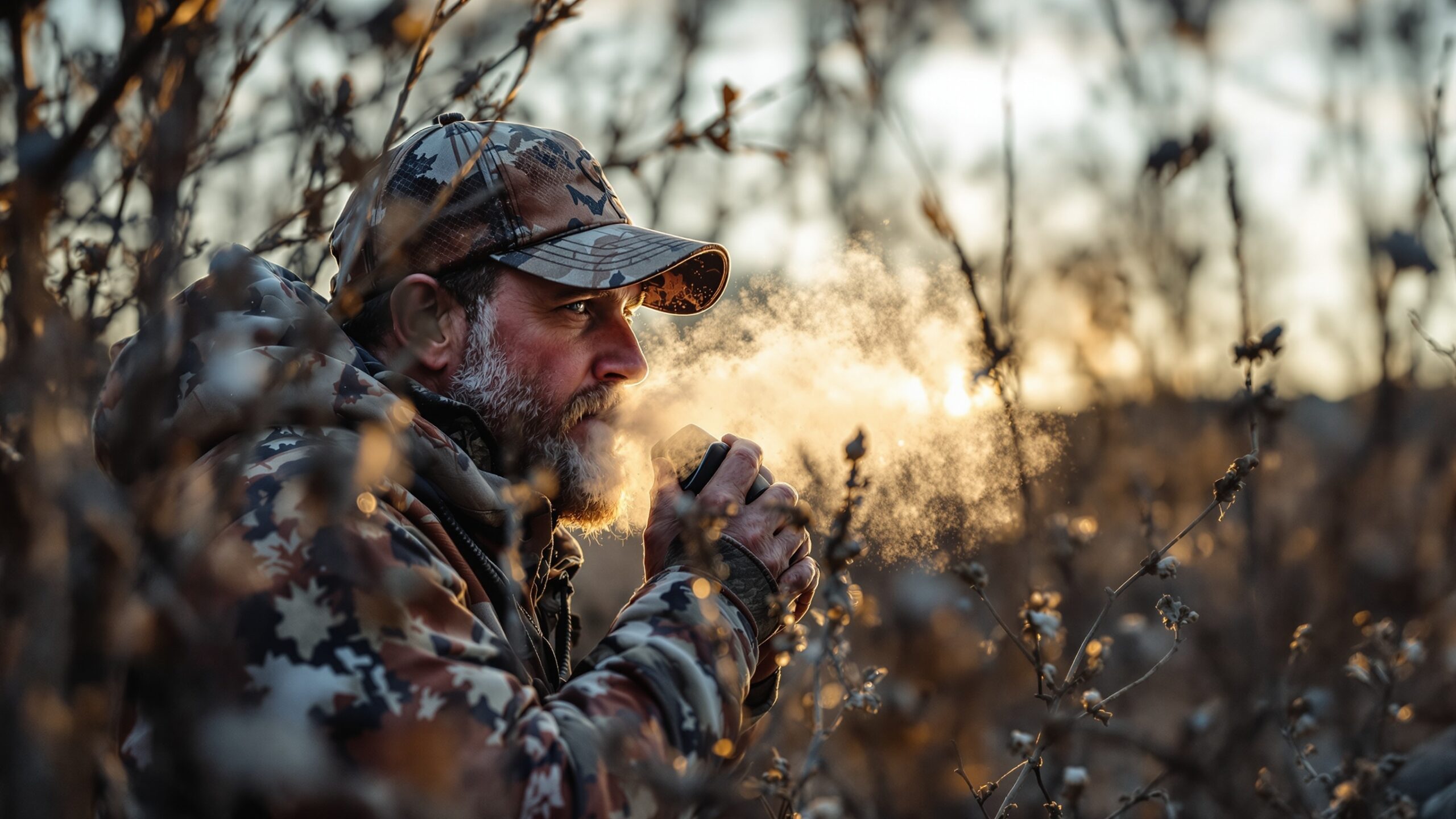
There’s a special kind of thrill in speaking the language of the wild—one soft note, one subtle scent, and suddenly the woods feels alive with possibility. Game calls and lures turn a hunt into a conversation, helping you pull animals those last crucial yards, pause them in the open, or guide movement through cover you’ve already scouted. Used well, they don’t “force” the moment—they shape it, like wind and terrain working in your favor. This section of Hunting Streets explores the tools and tactics behind calling and luring across species and seasons. You’ll find breakdowns of call types, realistic cadence and timing, and how to match sound to behavior—curiosity, confidence, caution, or challenge. We also dig into lures and attractants, with practical tips for placement, storage, and field use, plus common mistakes that can educate pressured animals fast. Whether you’re learning your first sequences or refining advanced setups, Game Calls & Lures is built to help you stay believable, stay patient, and make every note and nuance count when the woods goes quiet and the next move matters most.
A: Use short sequences and long pauses—too much calling can feel unnatural.
A: Start soft and increase only if needed; close animals hear everything.
A: Go quiet, adjust position if possible, and let curiosity work.
A: Place them so an approach crosses your best lane, not your entry path.
A: Keep items sealed, separate, and handled with clean gloves.
A: It’s risky—many animals will circle downwind before committing.
A: Overcalling—especially in pressured areas.
A: Not at first—one reliable call used well beats a dozen poorly used.
A: Focus on rhythm, emotion, and silence—not perfect notes.
A: Be ready to shoot before you call—responses can be fast.

