
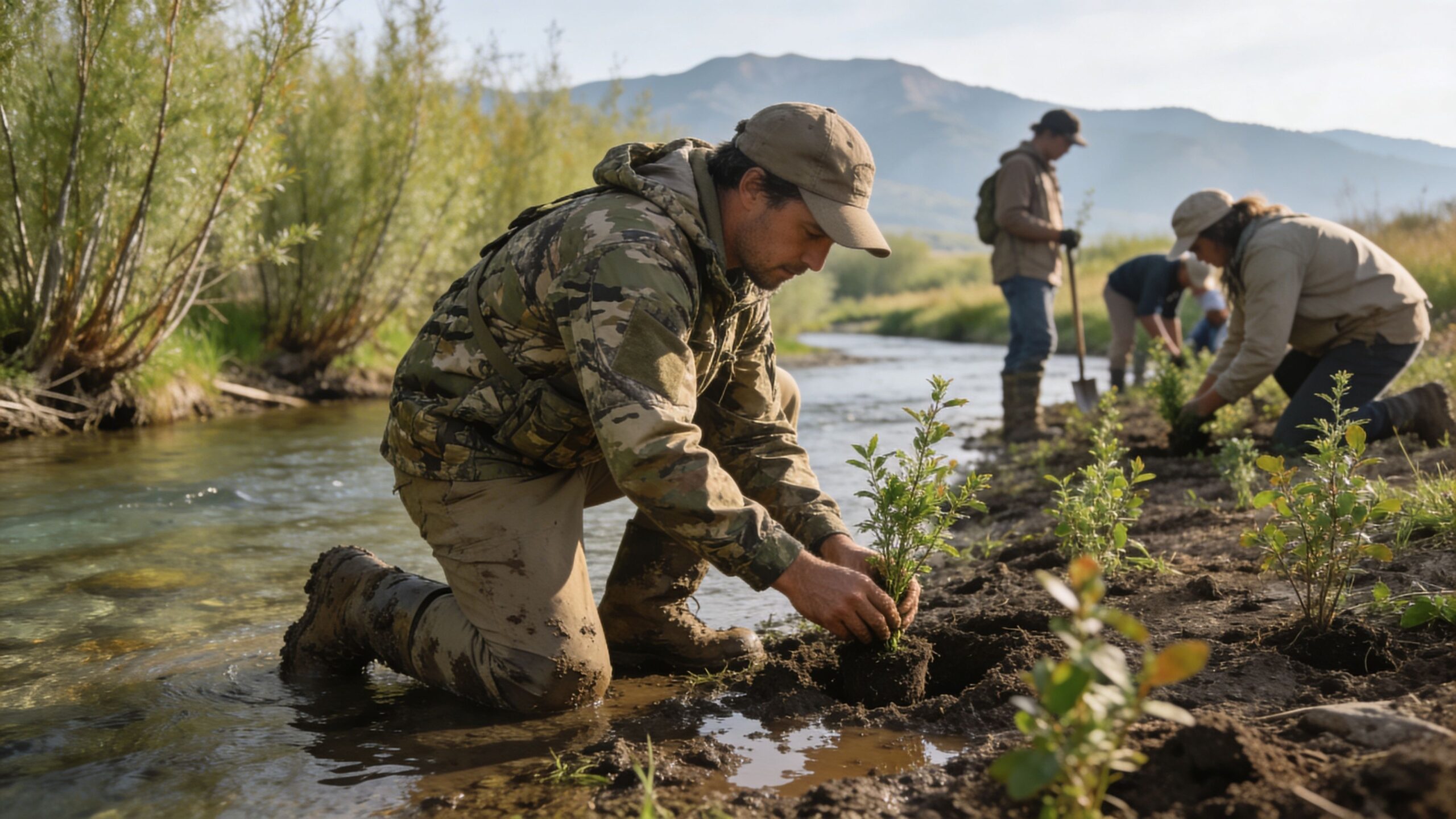
Conservation is the quiet work that keeps wild places wild—and hunting has long been part of that story. In Conservation Initiatives, you’ll find the projects, programs, and practical actions that protect habitat, strengthen wildlife populations, and keep access and traditions alive for the next season—and the next generation. Explore articles on habitat restoration, migration corridor protection, wetland rebuilds, invasive-species control, and funding models that put boots on the ground. Learn how science guides seasons and harvest, how partnerships form between agencies and local groups, and how hunters can volunteer, advocate, and contribute beyond the tag. We’ll also spotlight real-world wins: improved water sources, healthier range, better nesting cover, and smarter land stewardship that benefits game and nongame species alike. Whether you’re curious about conservation easements, responsible predator management, or how a single weekend of work can transform a drainage, this hub turns big ideas into field-ready knowledge. Because the best hunts begin long before opening morning—where conservation begins.
A: Volunteer locally, follow closures, and practice leave-no-trace every trip.
A: In many places, license fees and related funding support habitat, research, and enforcement.
A: Closures often protect winter range, nesting, calving, or fragile soils during recovery.
A: Clean boots/tires, avoid driving through seed-heavy areas, and join local weed pulls.
A: Document safely (photos/coordinates) and report it to the managing agency.
A: Often yes—when planned well, they renew habitat and reduce severe wildfire risk.
A: Absolutely—streambank fixes, plantings, and fence improvements can have big impacts.
A: They can protect habitat and corridors, sometimes alongside managed public access programs.
A: Usually no—avoid exact pins for vulnerable herds, nests, or rehab areas.
A: Check local wildlife agencies and conservation groups for scheduled workdays and trainings.