
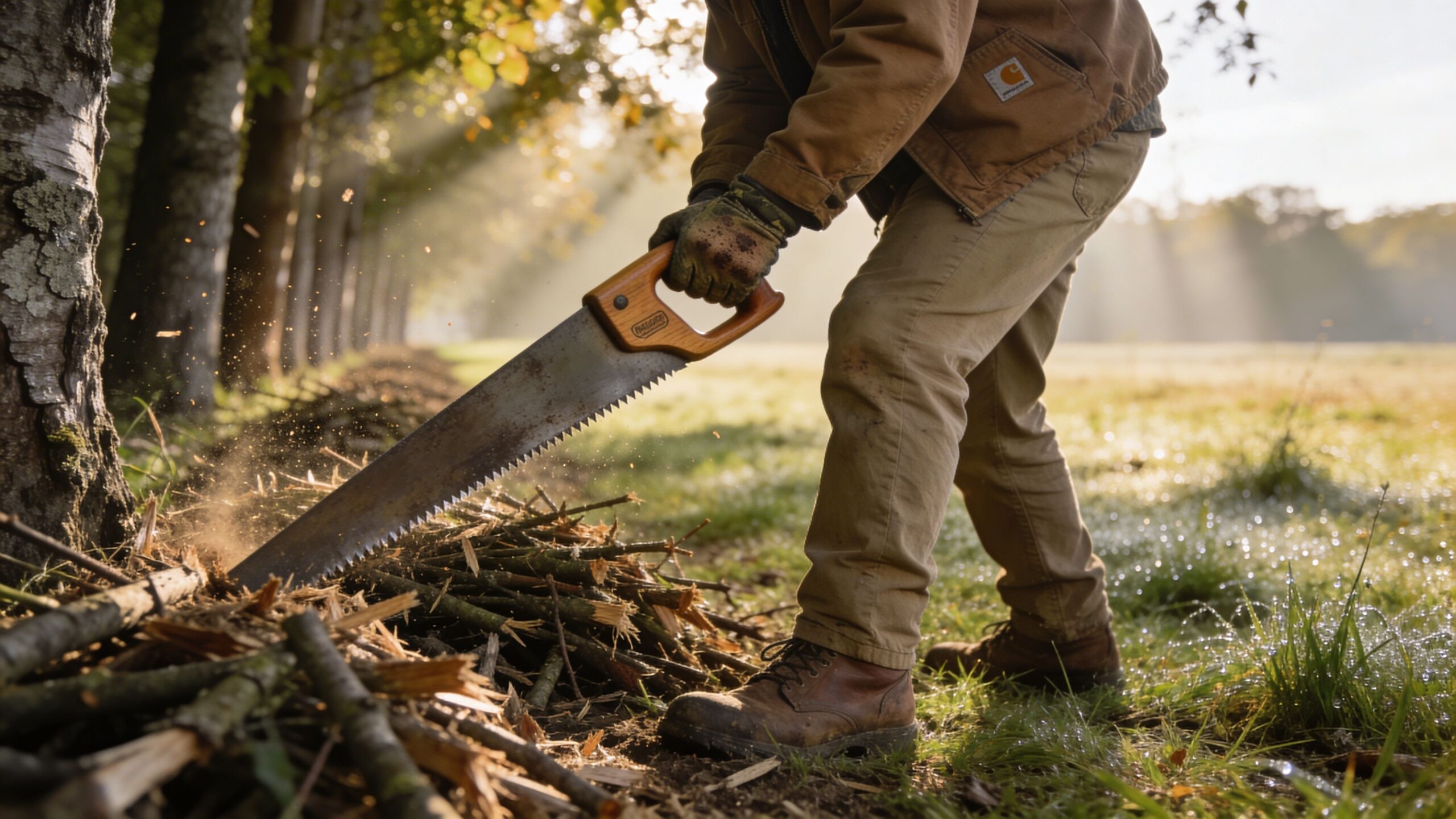
Great hunting ground isn’t found—it’s built, season by season, with smart choices that make wildlife feel safe, fed, and undisturbed. In Habitat Management, you’ll discover the projects and principles that turn ordinary acres into a living system that holds animals longer and moves them more predictably. This hub covers the building blocks—food, water, cover, and space—plus the timing and strategy that makes improvements stick. Explore articles on timber thinning, edge feathering, invasive control, bedding cover creation, native plant restoration, and how to shape travel corridors without over-pressuring the property. Learn how to read browse lines, identify missing habitat components, and prioritize “big wins” that deliver results fast. We’ll also dive into long-term planning: rotating disturbance, protecting sensitive areas, and using cameras and observation to measure change. Whether you manage a small backwoods parcel, a farm corner, or a sprawling lease, habitat work is where the best hunts begin—quietly, months before opening morning, with a chainsaw, a map, and a vision.
A: Identify the missing piece—often security cover near food or a reliable water source.
A: Some cover changes help immediately; bigger improvements often build over 1–3 seasons.
A: Not always—strategic openings can help, but overcutting can reduce security and mast.
A: Creating a brushy transition from field to timber to boost cover and daylight comfort.
A: Reduce pressure—limit entry, plan quiet access, and protect no-go bedding zones.
A: Yes—an undisturbed core often increases consistent use across the whole property.
A: Focus on cover, screening, and low-impact access—small acreage can still hunt big.
A: Use targeted, timed treatments and avoid broad disturbance during peak growth periods.
A: Compare sightings, tracks, browse lines, and camera data before and after projects.
A: Yes—do heavy work in the off-season and keep in-season disturbance minimal.