Why Hunting Boots Matter More Than Almost Any Other Gear
A great hunt starts long before sunrise, long before the first glassing point, and long before you settle into a stand or stalk through timber. It starts with your feet. Hunting boots are the foundation of every step you take in the field, and in 2026, the best hunting boots are no longer simple leather shells with aggressive soles. They are advanced field tools built for comfort, grip, waterproofing, warmth, breathability, and long-term durability. When your boots fail, everything gets harder. A hot spot turns into a blister. A damp sock turns into cold feet. A slippery sole turns into a dangerous climb. A stiff boot turns every ridge, creek crossing, and mile of timber into a punishment. The right pair, however, can make you feel locked in, quiet, stable, and ready to move farther than you planned. The best hunting boots in 2026 are built for specific hunting styles. A whitetail hunter sitting in a frozen tree stand needs something different than an elk hunter climbing steep shale. A waterfowl hunter needs waterproof protection above all else, while an upland hunter may care more about lightweight comfort and all-day walking performance. The smartest choice is not always the most expensive boot. It is the one that matches your terrain, weather, hunting style, and foot shape.
What Makes a Great Hunting Boot in 2026?
Modern hunting boots are judged by more than rugged looks. Comfort is the first real test because a boot that feels wrong in the first mile will feel brutal by the fifth. A good hunting boot should support your arch, lock down your heel, allow enough toe room, and flex naturally without feeling sloppy. Grip is just as important. Hunting terrain is rarely predictable. One hunt may take you across wet leaves, slick rocks, mud, frozen ground, loose gravel, steep inclines, and creek banks. Strong outsoles with deep lugs and smart tread patterns help keep your footing steady when conditions shift.
Durability is the long-term value factor. A boot may feel great out of the box, but if the stitching fails, the sole separates, or the waterproof membrane breaks down too soon, it is not field-ready. The best hunting boots combine tough uppers, reinforced toe areas, reliable midsoles, and rugged outsoles that can handle repeated abuse. Waterproofing also matters, especially for hunters moving through wet grass, snow, marsh edges, or creek crossings. A boot that keeps water out while still allowing sweat vapor to escape can dramatically improve comfort. Breathability is especially important because sweaty feet can become cold feet once you stop moving.
Comfort: The Difference Between a Good Hunt and a Long Suffer
Comfort is not a luxury in hunting boots. It is performance. A comfortable boot lets you move more naturally, stay focused longer, and cover ground without constantly thinking about your feet. In 2026, many top hunting boots use improved midsoles, better heel cups, more anatomical footbeds, and lighter materials to reduce fatigue.
Fit is the heart of comfort. Your heel should stay secure without lifting. Your toes should have enough space to move slightly, especially on downhill terrain. Your boot should feel supportive around the midfoot without squeezing. Hunters often make the mistake of buying boots too tight, assuming they will stretch dramatically. Some leather boots do break in, but modern synthetic and rubber-heavy boots often keep their shape.
For cold-weather hunts, remember that thick socks require extra space. If your boots are too tight with winter socks, circulation drops and your feet get colder. A slightly roomier fit with proper lacing can be warmer than an overly snug insulated boot.
Grip: Staying Stable When Terrain Gets Ugly
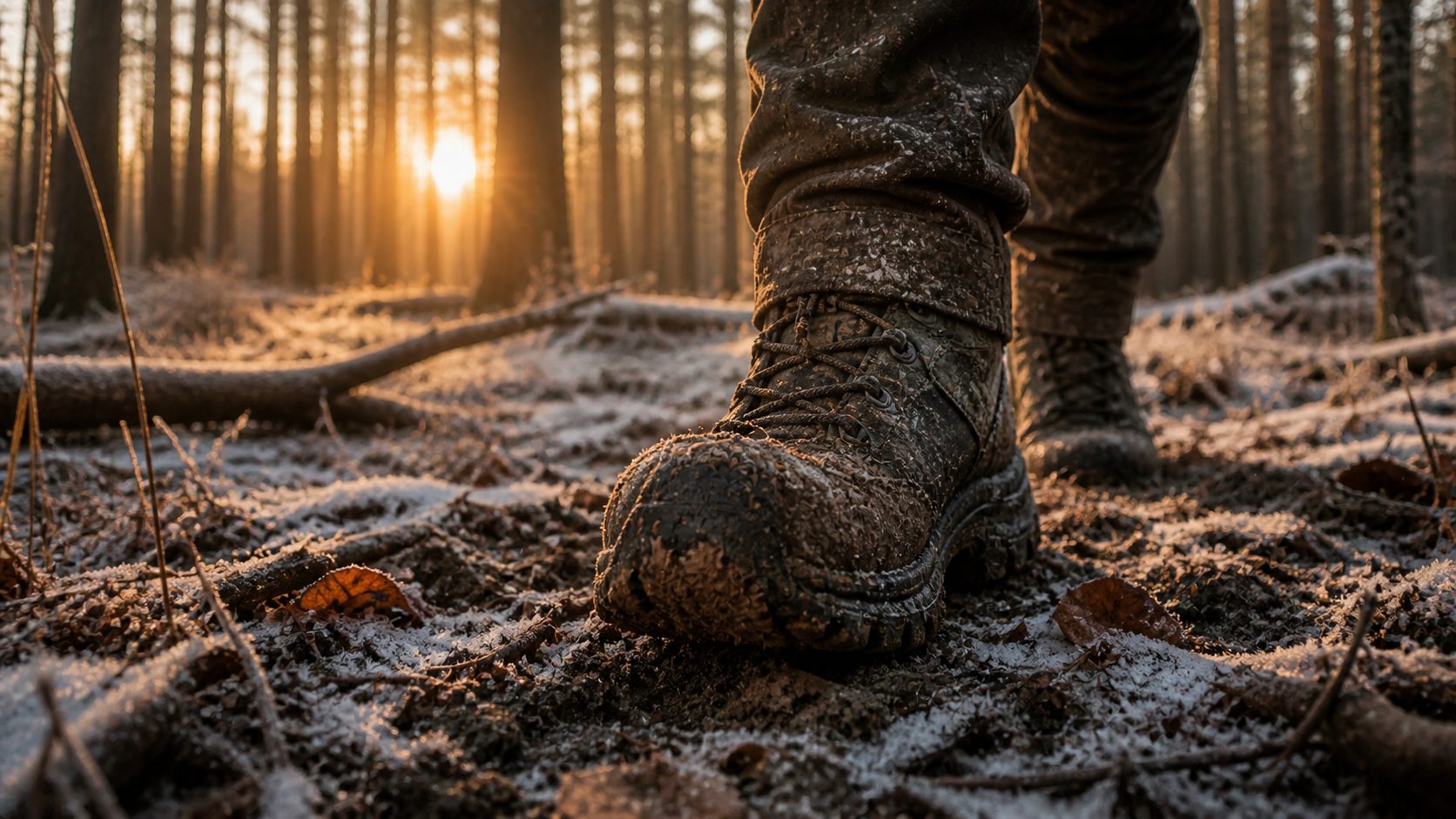
Traction separates true hunting boots from casual outdoor footwear. A good outsole should bite into soft ground, shed mud reasonably well, and provide stability on slick or uneven surfaces. Deep lugs are useful in mud, snow, and loose dirt, while wider contact zones can improve stability on rock and hardpack.
Mountain hunters should pay close attention to stiffness and edging ability. A boot with a supportive midsole can help on steep sidehills and rocky climbs. Whitetail and turkey hunters may prefer quieter soles that roll smoothly through leaves and forest debris. Waterfowl hunters need outsoles that grip muddy banks and wet boat ramps. No boot grips perfectly on every surface, but the best hunting boots balance traction, flexibility, and stability. The goal is confidence. When your boots hold firm, you move more efficiently and make less noise.
Durability: Built for Brush, Rock, Mud, and Miles
Durability is where hunting boots earn their reputation. The field is rough on footwear. Brush scrapes uppers. Rocks chew into soles. Moisture tests seams. Mud works into every crease. Long hikes stress stitching and glue bonds. A durable boot needs more than thick material; it needs smart construction.
Full-grain leather remains popular because it offers excellent abrasion resistance and can mold to the foot over time. Synthetic materials are often lighter and dry faster. Rubber boots provide excellent waterproofing and scent control advantages, especially for wet environments. Many modern boots blend materials, using leather or synthetic uppers with rubber rand protection around high-wear areas.
Toe caps and heel reinforcements are worth considering if you hunt rocky or brushy ground. A protective rand can extend boot life by shielding the upper from sharp edges and constant abrasion.
Waterproof vs Breathable: Finding the Right Balance
Waterproof hunting boots are essential in many conditions, but waterproofing comes with trade-offs. A fully waterproof boot can keep rain, snow, and shallow water out, but it may also trap heat and sweat if breathability is poor. That is why the best hunting boots in 2026 focus on moisture management from both directions.
For wet, cold, or marshy terrain, waterproofing should be a top priority. For early-season hunts in warm weather, breathability may matter more than full waterproof protection. A boot that gets soaked from sweat can be just as uncomfortable as one that leaks from the outside. Rubber boots are excellent for wet conditions, scent control, and swampy environments, but they can feel warmer and less breathable. Leather and synthetic boots with waterproof membranes often provide a better balance for long hikes.
Insulated vs Non-Insulated Hunting Boots
Insulation is one of the biggest buying decisions. Insulated boots are ideal for cold weather, tree stand hunting, late-season whitetail sits, and low-movement conditions. Non-insulated boots are better for active hunts, early season, mild temperatures, and long climbs where overheating is a concern.
The mistake many hunters make is assuming warmer is always better. If you are hiking hard in heavily insulated boots, your feet may sweat. Once you stop moving, that moisture cools quickly, leaving your feet cold. For active mountain hunts, a non-insulated or lightly insulated boot paired with high-quality socks may be the smarter choice.
For stationary hunters, especially in freezing weather, insulation becomes more important. A warm boot with room for thick socks and good circulation can keep you comfortable through long hours of waiting.
Best Hunting Boots for Whitetail Hunting
Whitetail hunters often need quiet, comfortable, and weather-resistant boots. Many whitetail hunts involve walking through leaves, crossing damp ground, climbing into stands, and sitting for long periods. Comfort and warmth matter, but so does stealth.
Rubber boots are popular for whitetail hunting because they handle wet ground well and can help reduce scent transfer. Insulated rubber boots are especially useful for late-season stand hunting. For hunters who walk longer distances to reach remote spots, a hybrid leather or synthetic boot may offer better support. The best whitetail hunting boots are quiet underfoot, warm enough for sitting, waterproof enough for morning dew and wet woods, and comfortable enough for the walk in and out.
Best Hunting Boots for Elk and Mountain Hunting
Elk hunting demands serious footwear. Mountain terrain punishes weak boots quickly. Steep climbs, rocky slopes, deadfall, shale, and long pack-outs require stability, ankle support, and durability. A mountain hunting boot should feel secure under load and provide enough stiffness to prevent foot fatigue.
Grip is crucial in mountain environments. The outsole needs to hold on loose terrain while the midsole supports sidehilling and uneven ground. Durability also matters because sharp rock can shred soft materials.
Many elk hunters prefer leather or leather-synthetic hybrid boots with strong ankle support. Non-insulated or lightly insulated models are often best because elk hunts usually involve active movement. Breathability and blister prevention become just as important as warmth.
Best Hunting Boots for Waterfowl and Wet Conditions
Waterfowl hunting puts waterproofing first. Mud, marshes, flooded fields, boat launches, and icy water demand boots that can handle constant moisture. Rubber boots and waders dominate this category because they keep water out better than most stitched boots.
The best waterfowl hunting boots should provide secure traction in mud, enough insulation for cold mornings, and a comfortable fit for standing or walking through wet ground. Tall rubber boots are useful when moving through shallow water or swampy edges. Durability is especially important because mud and water can break down cheap materials quickly. A quality waterproof boot should resist cracking, leaking, and sole wear over time.
Best Lightweight Hunting Boots for Early Season
Early-season hunting requires a different mindset. Heat, long walks, and active movement make breathability and weight more important than heavy insulation. Lightweight hunting boots help reduce fatigue and keep your feet cooler during warm conditions. A good early-season boot should still provide protection and grip, but it should not feel bulky or overly stiff. Breathable synthetic uppers, cushioned midsoles, and flexible construction can make long hikes more comfortable.
These boots are ideal for turkey hunting, scouting, early archery season, upland hunting, and warm-weather spot-and-stalk hunts. The goal is to move quietly and comfortably without overheating.
Best Hunting Boots for Cold Weather
Cold-weather hunting boots need to protect against freezing temperatures while maintaining comfort. Insulation, waterproofing, and fit all work together. A boot with strong insulation but poor waterproofing can fail in snow. A waterproof boot that is too tight can restrict circulation and make your feet colder.
For late-season hunts, look for boots with enough volume for warm socks, reliable waterproof protection, and outsoles that grip snow or frozen ground. Stationary hunters may prefer heavier insulation, while active hunters should choose moderate insulation to avoid sweating. Warm feet are not just about the boot. Sock choice, moisture control, and movement level all affect comfort. The best cold-weather setup keeps feet dry, warm, and unrestricted.
How to Break In Hunting Boots the Right Way
Breaking in hunting boots is one of the most important steps before a serious trip. Even premium boots can cause discomfort if worn for the first time on a long hunt. Start by wearing them around the house, then on short walks, then on uneven terrain with the socks you plan to use.
Pay attention to hot spots. If you feel rubbing early, address it before it becomes a blister. Lacing adjustments can make a major difference. Some hunters use different lacing tension across the forefoot and ankle to improve comfort.
Leather boots typically require more break-in time than synthetic boots, but they can become extremely comfortable once shaped to your feet. Never wait until opening morning to test new boots.
Boot Height: Low, Mid, or Tall?
Boot height affects support, protection, and mobility. Low-cut boots are lighter and more flexible but offer less ankle protection. Mid-height boots strike a balance and work well for many general hunting situations. Tall boots provide more protection from brush, snow, water, and ankle roll, but they can be heavier and warmer.
Mountain hunters often benefit from taller, supportive boots. Wetland hunters may need tall rubber boots. Upland and early-season hunters may prefer lighter mid-height designs. The best height depends on where and how you hunt.
Lacing, Fit, and Foot Support
A boot’s lacing system can affect comfort more than many hunters realize. Strong eyelets, locking hooks, and secure lace patterns help hold the foot in place. Heel slip is one of the biggest causes of blisters, so a boot should lock the heel without crushing the toes.
Arch support is also important. Hunters with flat feet, high arches, or past foot pain may benefit from aftermarket insoles. A supportive insole can improve alignment, reduce fatigue, and make long days much easier.
A boot should feel stable but not restrictive. If your foot slides inside the boot, you lose control. If the boot squeezes too tightly, you lose circulation. The sweet spot is secure, natural, and balanced.
Hunting Boot Materials Explained
Leather is durable, supportive, and naturally protective. It can be heavier but often lasts a long time with proper care. Synthetic materials are lighter, often more breathable, and may require less break-in time. Rubber offers excellent waterproofing and scent advantages but can feel less supportive on long hikes.
Many of the best boots in 2026 combine materials. A leather-synthetic upper may reduce weight while preserving durability. A rubber rand may protect the lower boot from abrasion. A waterproof membrane may add weather protection without turning the entire boot into a rubber shell. Understanding materials helps you choose a boot that fits your hunting style instead of buying based on appearance alone.
How to Care for Hunting Boots
Good boots deserve good care. After each hunt, remove mud and debris before it dries deeply into seams and materials. Let boots dry naturally in a ventilated space, away from direct high heat. Excessive heat can damage leather, adhesives, and waterproof membranes.
Leather boots benefit from conditioning, but over-conditioning can soften them too much. Waterproof treatments should match the boot material. Rubber boots should be cleaned and stored away from direct sunlight to prevent cracking.
Proper care extends boot life, improves performance, and keeps your gear ready for the next hunt.
Final Thoughts: Choose Boots That Match the Hunt
The best hunting boots in 2026 are not one-size-fits-all. The perfect pair for a mountain elk hunt may be wrong for a flooded duck blind. The best boot for a cold tree stand may be too warm for early-season scouting. The smartest hunters choose boots based on terrain, temperature, movement level, and personal fit.
Comfort keeps you moving. Grip keeps you stable. Durability keeps your investment alive season after season. When all three come together, your boots stop being something you think about and become something you trust. A great pair of hunting boots gives you confidence in every step. Whether you are crossing frozen fields, climbing steep ridges, slipping through wet timber, or standing quietly before dawn, the right boots help you stay focused on the hunt—not your feet.