The Year-Round Appeal of Small Game Hunting
Small game hunting in North America offers something uniquely rewarding that few outdoor pursuits can match. It is accessible, dynamic, and deeply tied to the rhythms of nature, making it one of the most engaging ways to develop real-world field skills. Unlike big game hunting, which often revolves around a short window of opportunity, small game seasons stretch across months, giving hunters the chance to refine their techniques and stay connected to the outdoors year-round. Whether you are walking through crisp fall woods or tracking fresh prints in winter snow, each season brings a new challenge and a new set of opportunities. Understanding what species to hunt and when is one of the most important steps toward consistent success. Different animals thrive in different conditions, and their behavior shifts dramatically with changes in temperature, food availability, and hunting pressure. By aligning your strategy with the natural calendar, you not only improve your chances but also gain a deeper appreciation for how wildlife interacts with the environment. This guide explores the best small game to hunt across each season in North America, helping you make the most of every trip into the field.
A: Early fall offers ideal conditions for beginners.
A: No, many hunters succeed without one.
A: A .22 rifle or shotgun depending on species.
A: Look for food sources and cover.
A: It requires patience but offers tracking advantages.
A: Early morning and late afternoon.
A: It helps but movement control matters more.
A: Yes with practice and observation.
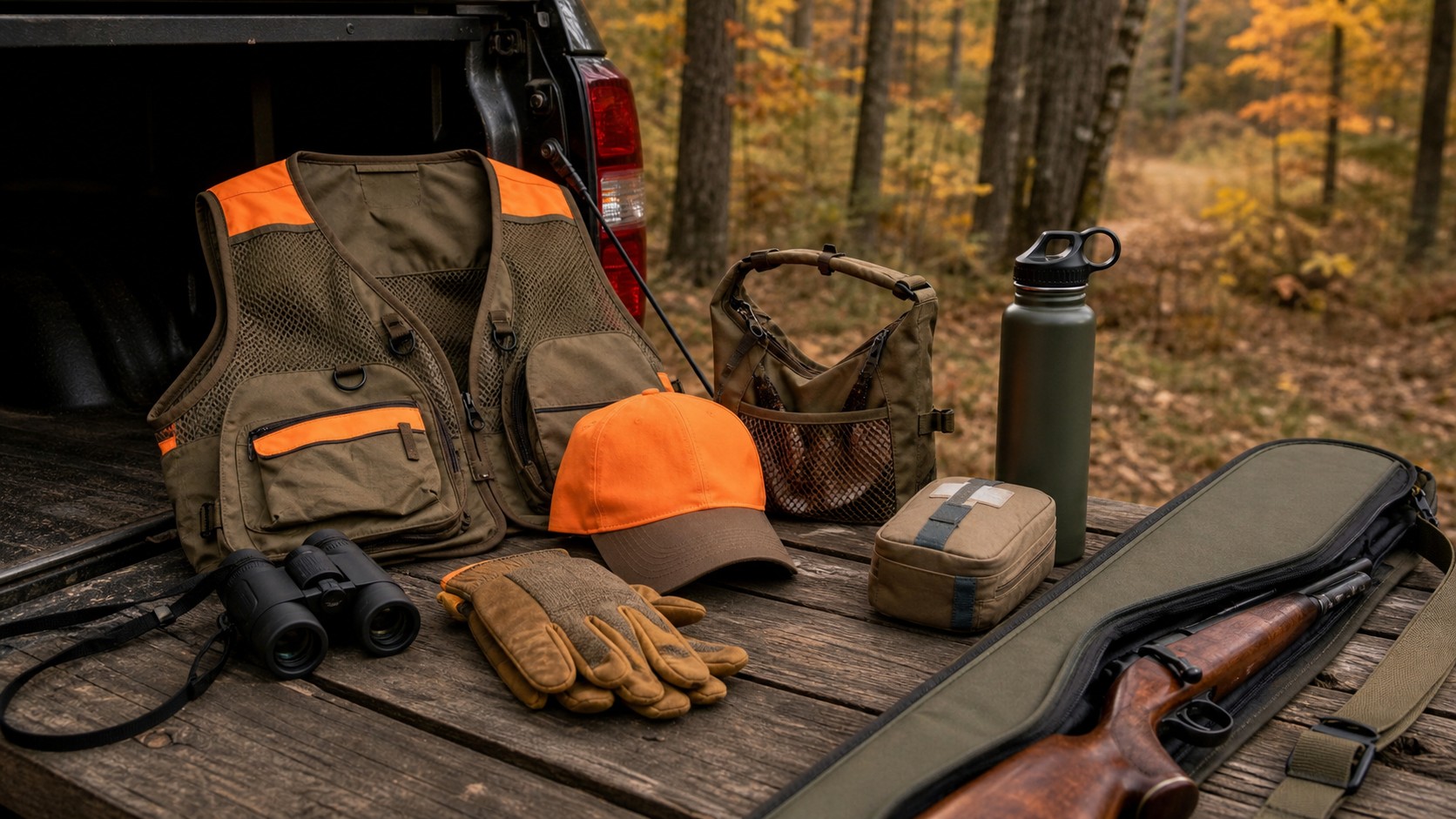
A: Basic gear, water, and safety equipment.
A: Spend more time in the field learning behavior.
Early Fall: A Season of Abundance and Opportunity
Early fall is often considered the golden gateway into small game hunting. As temperatures begin to cool and the landscape transitions from summer green to autumn gold, many species are at peak activity. Food is abundant, young animals are maturing, and the woods are alive with movement. This is an ideal time for beginners to enter the sport because visibility is still relatively high and animal behavior is more predictable.
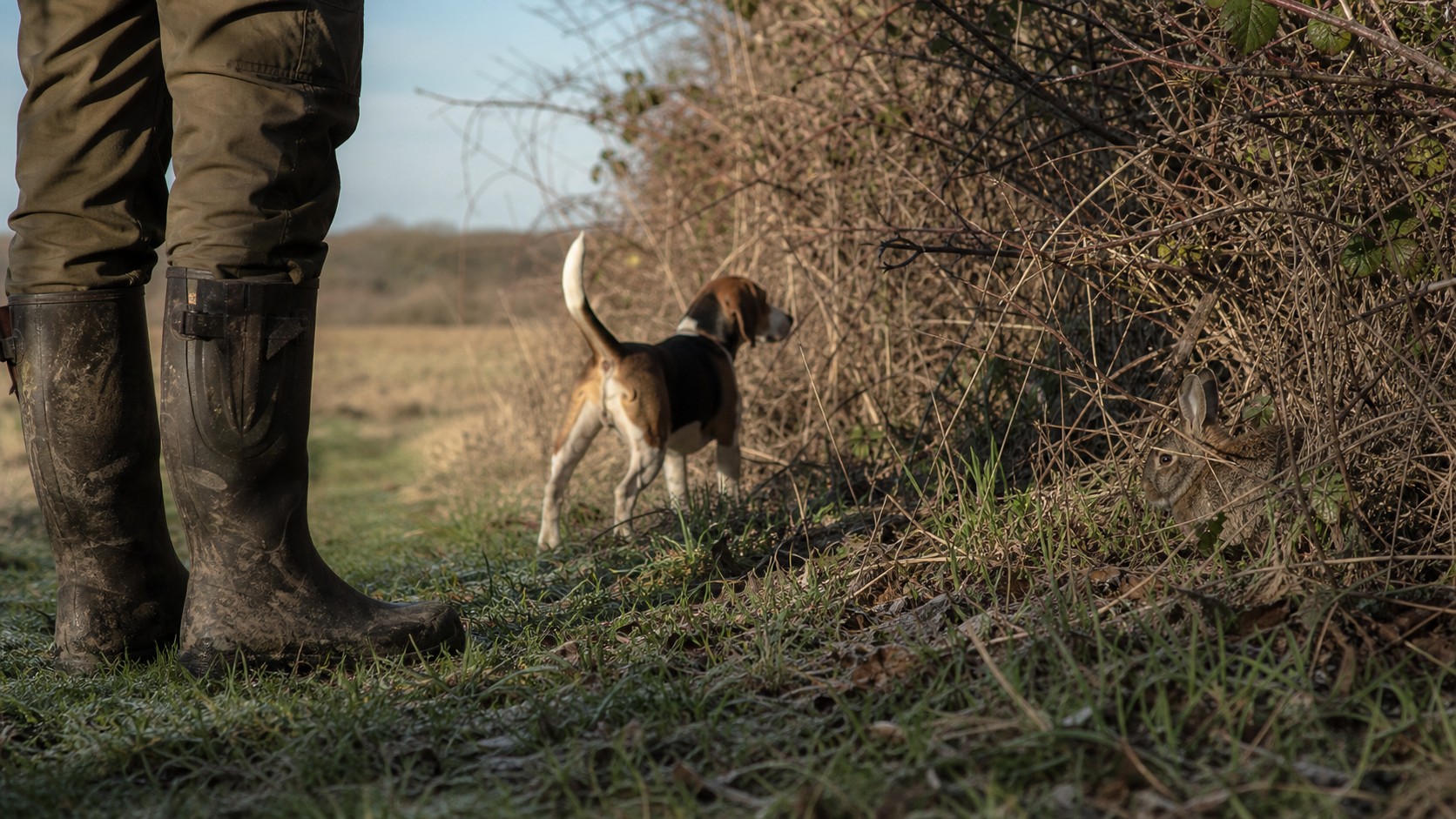
Squirrels are one of the most popular early fall targets, especially in hardwood forests where oak and hickory trees provide a steady supply of nuts. During this time, squirrels are highly active as they gather and store food for the coming winter. Their movement patterns are frequent and often noisy, making them easier to locate for hunters learning to read the woods. Rabbits also begin to emerge as a strong option, particularly in areas with dense brush and edge habitat where they feed during the early morning and late afternoon.
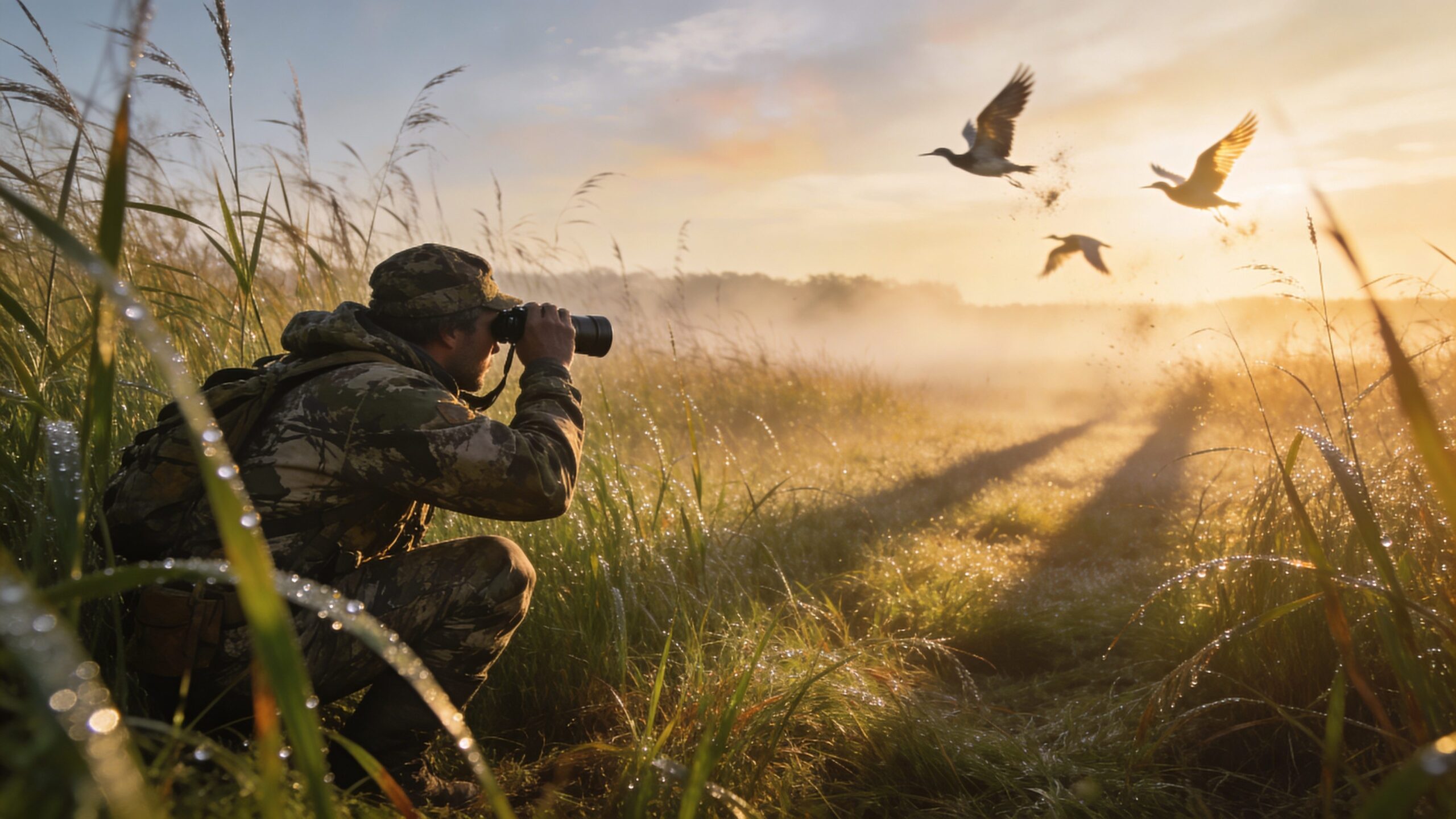
Upland birds such as dove and early-season grouse also provide fast-paced action during this period. Open fields, agricultural areas, and woodland edges become hotspots for bird activity, offering a completely different hunting experience compared to stalking mammals. Early fall is about movement, visibility, and learning how to adapt quickly to changing conditions, making it one of the most exciting times of the year.
Mid to Late Fall: Peak Small Game Hunting Season
As fall deepens, small game hunting reaches its peak. The leaves begin to drop, opening up visibility in the forest, while cooler temperatures drive animals to increase their feeding activity. This combination creates ideal conditions for hunters who are willing to move slowly, observe carefully, and take advantage of improved sightlines. Rabbits become a primary focus during this period, especially cottontails that rely on thick cover for protection. As vegetation thins out, their hiding spots become easier to identify, allowing hunters to anticipate where they are likely to be resting. Walking through brushy areas, hedgerows, and overgrown fields often results in sudden flushes that test both reflexes and positioning.
Squirrels remain highly active, but their behavior becomes more cautious as hunting pressure increases. They tend to rely more on tree cover and may freeze when they detect movement, requiring hunters to sharpen their observation skills. Grouse hunting also peaks in late fall, particularly in northern regions where birds thrive in mixed forests. Their unpredictable flight patterns and tendency to flush suddenly make them one of the most challenging and rewarding species to pursue. This season represents a balance between opportunity and skill. The environment is changing rapidly, and hunters who can adapt to shifting conditions will find consistent success across multiple species.
Winter: Tracking, Patience, and Precision
Winter transforms small game hunting into a completely different experience. Snow-covered landscapes reveal the hidden movements of animals, turning the forest floor into a storybook of tracks and trails. While some species become less active, others adapt remarkably well to cold conditions, offering unique opportunities for hunters who embrace the challenge.
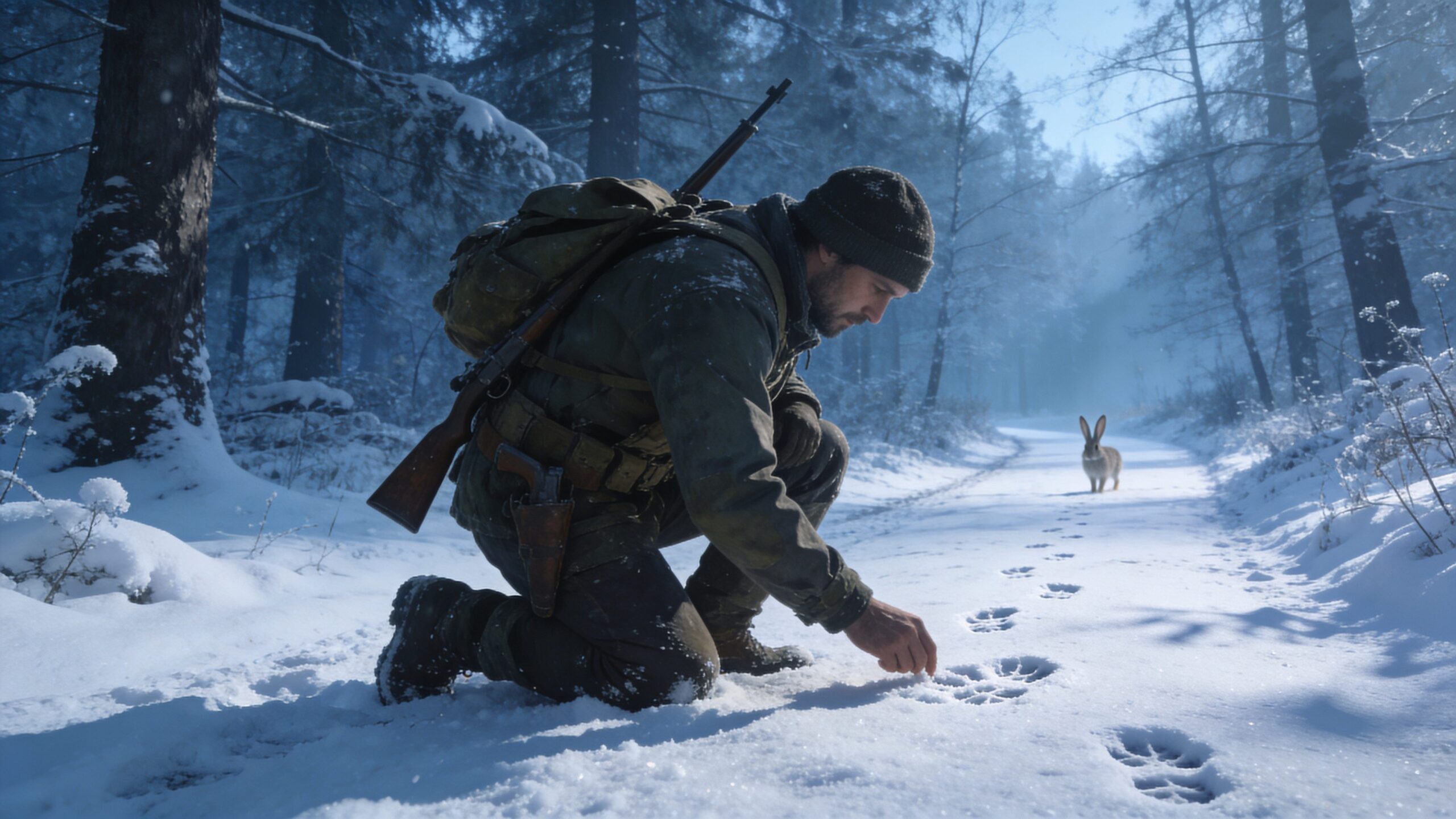
Snowshoe hares are a prime target during winter, particularly in northern regions where they blend seamlessly into the snowy environment. Their white coats provide camouflage, but their tracks are often easy to follow, allowing hunters to use tracking skills to close the distance. This type of hunting requires patience and careful movement, as hares rely on both speed and concealment to evade predators.
Squirrels can still be hunted in winter, although their activity levels decrease during extreme cold. They tend to move during warmer parts of the day, often emerging to feed briefly before returning to their nests. This makes timing critical, as hunters must be in the right place at the right moment. Rabbits also remain active, leaving clear trails in the snow that can lead to productive hunting areas. Winter hunting emphasizes precision and awareness. Every sound carries further, every movement is more noticeable, and every decision matters. It is a season that rewards those who are willing to slow down and truly engage with their surroundings.
Spring: Limited Seasons and Specialized Opportunities
Spring is a transitional period for small game hunting, with many species protected during breeding seasons. However, certain opportunities still exist depending on regional regulations. This time of year often shifts the focus toward specific species that are legally available and ethically sustainable to pursue. In some areas, spring squirrel hunting seasons provide a chance to continue honing skills in a quieter, less pressured environment. With foliage beginning to return, visibility decreases, making it more challenging to spot movement in the trees. This encourages hunters to rely more on sound and subtle cues rather than clear visual targets.
Spring is also a time for preparation and scouting. Even if hunting opportunities are limited, it is one of the best periods to explore new areas, identify promising habitats, and observe animal behavior without the pressure of a full hunting season. Understanding how landscapes change during this time can provide a significant advantage when fall returns.
Summer: Scouting, Skill Building, and Preparation
While summer is typically not a prime hunting season for small game, it plays a crucial role in long-term success. The focus shifts away from harvesting and toward building the knowledge and skills that will pay off later in the year. It is a time to study terrain, track animal patterns, and refine equipment setups. Scouting during summer allows hunters to locate food sources, water availability, and travel corridors that animals will rely on in the fall. Observing areas at dawn and dusk can reveal where small game is most active, providing valuable insight into future hunting strategies. It is also an excellent time to practice shooting skills, test gear, and ensure everything is ready for the upcoming season. Preparation is what separates consistent hunters from occasional success. By investing time in the off-season, you create a foundation that makes each hunting trip more efficient and more rewarding.
Matching Species to Season for Maximum Success
The key to successful small game hunting lies in understanding how each species interacts with its environment throughout the year. Rabbits thrive in edge habitats and become more visible as cover thins, while squirrels rely heavily on food availability and tree cover. Birds such as grouse and dove follow patterns tied to feeding and migration, creating windows of opportunity that shift with the seasons.
By matching your target species to the conditions of each season, you increase your chances of success while also gaining a deeper understanding of the natural world. This approach turns hunting into more than just a pursuit; it becomes a continuous learning experience that evolves with every outing.
A Year of Opportunity in the Field
Small game hunting in North America is not confined to a single season or a single strategy. It is a year-round pursuit that rewards adaptability, patience, and a willingness to learn. Each season offers its own challenges and advantages, from the abundance of early fall to the quiet precision of winter tracking. By understanding what species to hunt and when, you unlock a deeper level of engagement with the outdoors. The beauty of small game hunting lies in its accessibility and its variety. Whether you are a beginner taking your first steps into the field or an experienced hunter refining your craft, there is always something new to discover. With the right knowledge and a seasonal mindset, every trip becomes an opportunity to grow, explore, and succeed.