Why Small Game Hunting Is the Perfect Place to Start
Small game hunting is one of the most approachable, rewarding, and skill-building ways to enter the world of hunting. It does not require the same level of physical intensity, expensive equipment, or long-distance planning that often comes with big game pursuits. Instead, it invites beginners to step into the woods, fields, hedgerows, and brushy edges where wildlife activity is close, visible, and full of lessons. For many hunters, small game is where confidence begins. The beauty of small game hunting is that it teaches the fundamentals quickly. You learn how to move quietly, identify habitat, read tracks, understand wind, notice feeding sign, and stay patient when the woods seem still. Rabbits, squirrels, grouse, doves, and other small game species each offer a different kind of challenge. Some require slow stalking, some demand fast reactions, and others reward careful observation. Together, they create a complete outdoor classroom for beginners.
A: Squirrels and rabbits are usually the easiest starting points.
A: No, basic legal equipment, good boots, safety gear, and simple field supplies are enough.
A: Early morning and late afternoon are often productive.
A: Yes, many beginners successfully hunt without dogs.
A: Focus on brush, briars, field edges, and thick cover.
A: Start in hardwood forests with oaks, hickories, walnuts, or beeches.
A: Moving too fast and not stopping long enough to observe.
A: Yes, especially when scouted carefully before the hunt.
A: Follow firearm safety rules, wear visible clothing, and know your surroundings.
A: Spend time in the field, keep notes, study habitat, and learn from every trip.
What Counts as Small Game?
Small game generally refers to smaller huntable animals such as rabbits, squirrels, hares, grouse, quail, doves, pheasants, and similar species depending on local regulations. The exact definition can vary by state, province, or region, so beginners should always check their local wildlife agency rules before planning a hunt. What is legal in one area may be restricted, protected, or seasonally closed in another.
The most common beginner-friendly small game species are rabbits and squirrels. They are widely distributed, relatively abundant in many regions, and often found in accessible habitats. Upland birds can also be excellent targets, though they usually require quicker shooting, more walking, and sharper awareness. The best first species is usually the one that is common near you, legal to hunt, and matched to your comfort level.
Why Beginners Should Start with Small Game
Small game hunting builds real hunting skill without overwhelming the beginner. A new hunter can often find public land, walk manageable distances, and learn from each outing even without harvesting anything. Every trip teaches something useful, whether it is how squirrels react to movement, where rabbits hide after frost, or how birds use cover when pressured. It also creates frequent opportunities. Big game hunting may involve long waits and limited chances, but small game hunting often includes more movement, more sightings, and more chances to practice field decisions. Beginners can gain experience with safety, navigation, shot discipline, animal identification, and ethical recovery in a more active environment.
Understanding Seasons and Regulations
Before stepping into the field, every beginner must understand the hunting regulations in their area. Seasons, bag limits, legal methods, required licenses, hunter education rules, public land access, and blaze orange requirements all vary by location. These rules are not optional details; they are the foundation of responsible hunting.
A smart beginner starts by visiting the official wildlife agency website for their state or province. Look up the current small game hunting guide, confirm open seasons, review species-specific limits, and learn where hunting is allowed. Regulations can change from year to year, so avoid relying on old advice or secondhand information. Responsible hunters know the rules before they enter the woods.
Essential Beginner Gear for Small Game Hunting
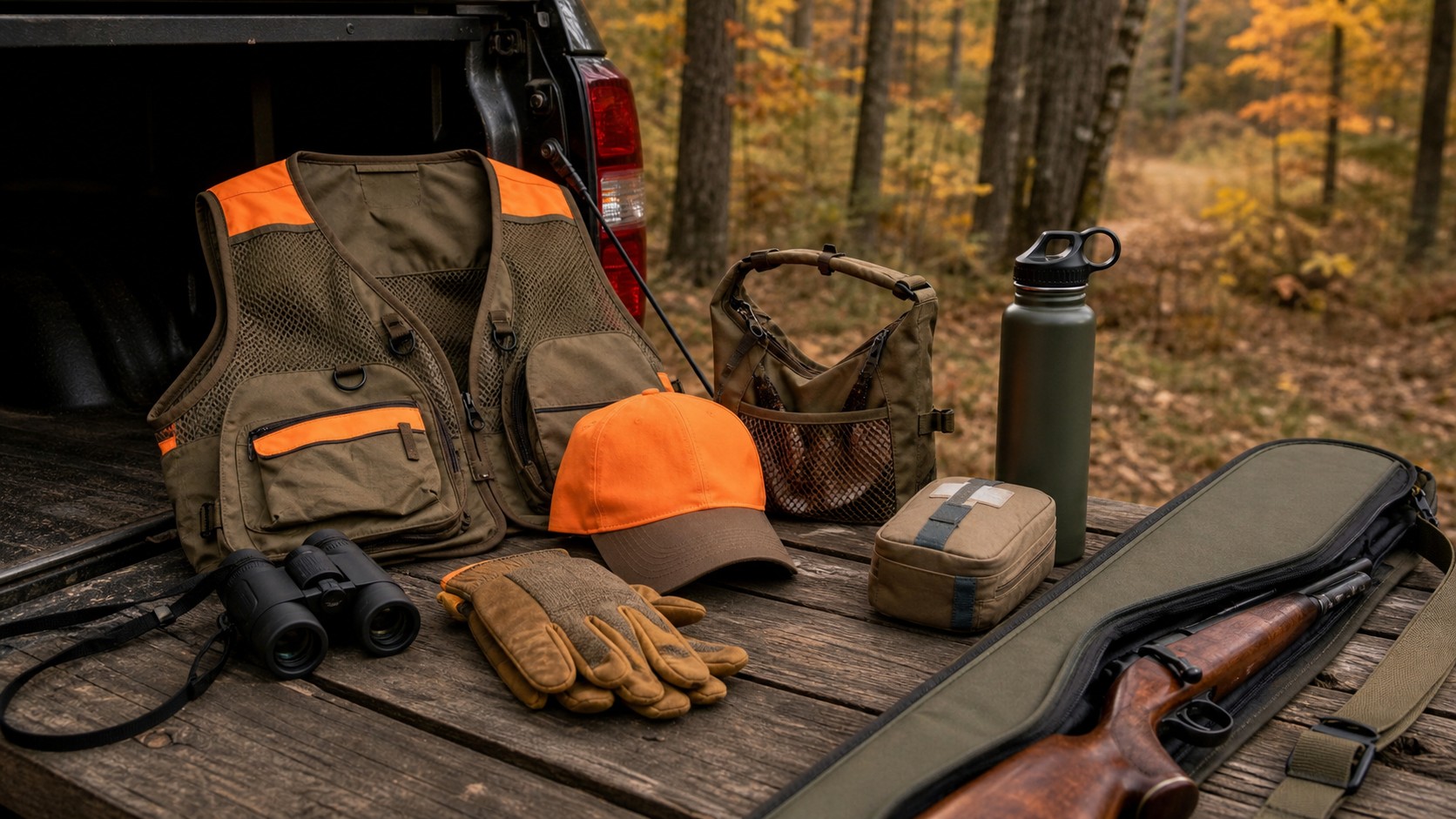
Small game hunting does not require a truckload of expensive gear. In fact, one of its biggest advantages is simplicity. A beginner can start with a legal hunting tool, proper clothing, a license, safety gear, water, a small pack, and basic field supplies. The goal is to stay comfortable, safe, and mobile.
Clothing should match the season and terrain. In fall, layered clothing works best because mornings can be cold while afternoons warm quickly. Durable pants, comfortable boots, gloves, and weather-appropriate outerwear matter more than fancy patterns. Blaze orange is required in many areas and is always a smart safety choice where other hunters may be present.
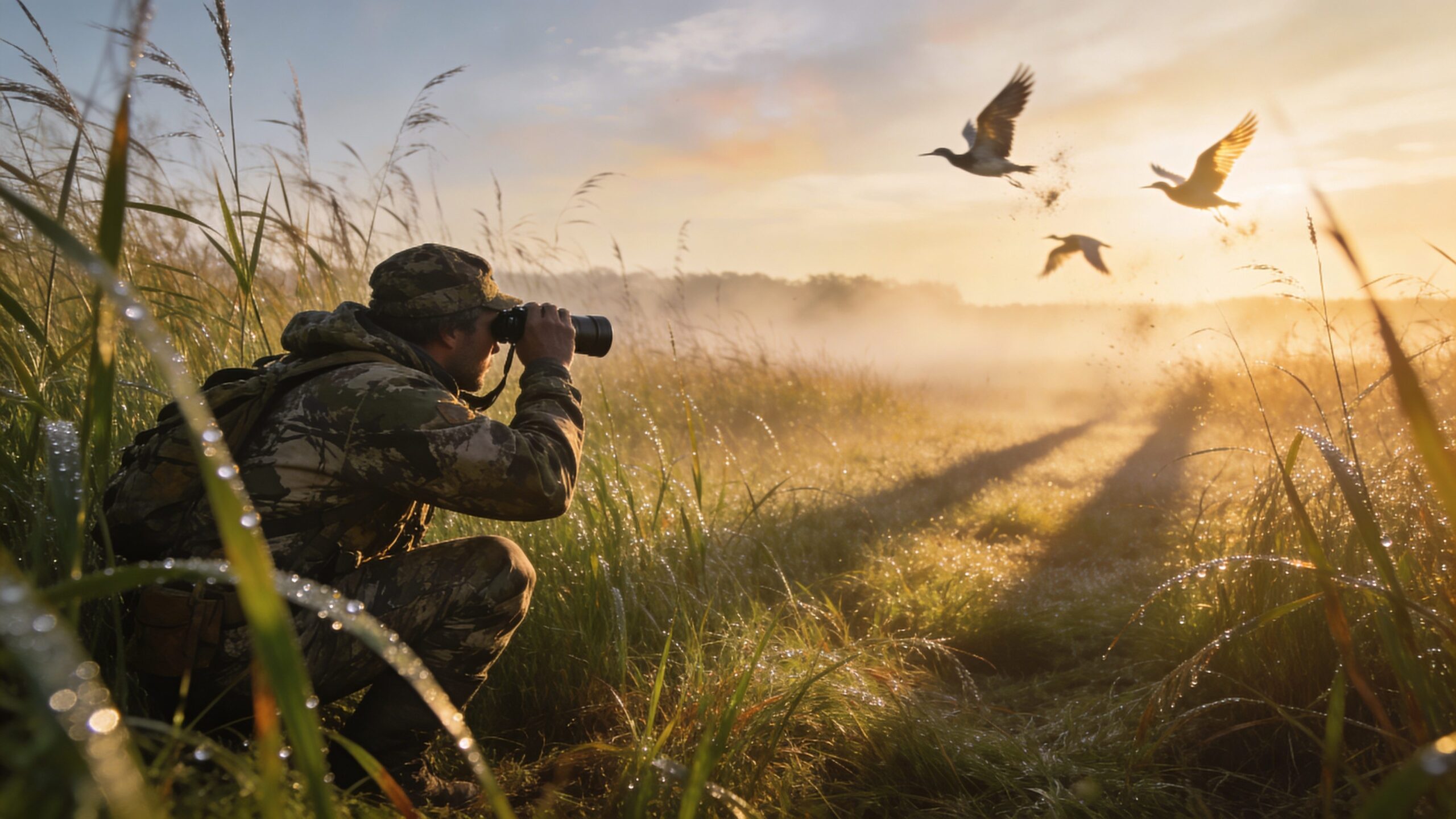
A small backpack can carry water, snacks, a first-aid kit, a field knife, game bags, extra gloves, a map, and any required permits. Binoculars can help spot movement, especially for squirrels in treetops or birds along field edges. A phone is useful, but beginners should not depend only on it. Batteries fail, signals disappear, and weather changes quickly.
Choosing a Hunting Method
Small game can be hunted with different tools depending on local laws, species, and personal preference. Many beginners start with a shotgun for rabbits and birds or a .22 rifle for squirrels where legal. Some regions also allow air rifles or archery equipment for certain species. The right choice depends on the species, terrain, regulations, and the hunter’s skill level.
Whatever method you choose, safety and practice are essential. Beginners should be comfortable handling their equipment before hunting. That means understanding safe carry positions, identifying safe shooting zones, knowing what is beyond the target, and never taking uncertain shots. Good hunters are not defined by how quickly they act, but by how carefully they decide.
Safety Comes First Every Time
Safety is the core of hunting. A beginner should treat every hunting trip as a responsibility, not just an adventure. Always know where your hunting partners are, keep your muzzle pointed in a safe direction, keep your finger away from the trigger until ready to shoot, and clearly identify your target before acting. These habits must become automatic. Public land requires extra awareness because other hunters, hikers, dog walkers, and land users may be nearby. Wearing blaze orange, communicating clearly, and avoiding risky shots are all part of ethical hunting. Beginners should also tell someone where they are going and when they plan to return. Even a short morning hunt deserves basic planning.
Learning Habitat: Where Small Game Lives
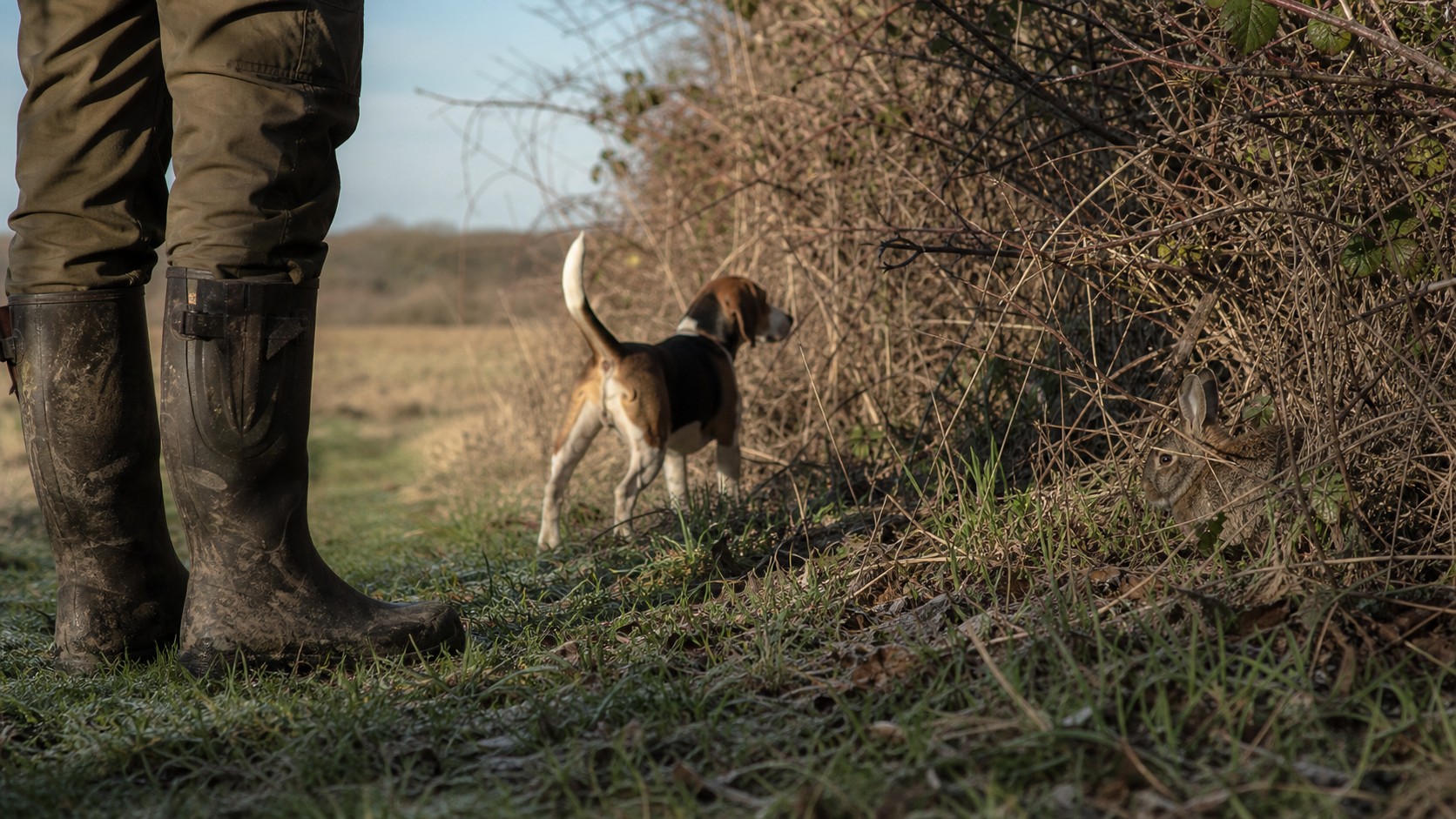
Finding small game begins with understanding habitat. Rabbits love thick cover, brush piles, field edges, briars, overgrown fence lines, and areas where food and shelter meet. They do not want to be exposed for long, so they stay close to escape cover. If an area looks difficult to walk through, it may be exactly the kind of place rabbits prefer.
Squirrels are usually found in hardwood forests, especially where oak, hickory, walnut, or beech trees provide food. Early in the season, they may be high in leafy trees and easier to hear than see. Later in fall and winter, leaf drop improves visibility and helps hunters spot movement along branches. Listening for cutting, barking, rustling leaves, or falling nut shells can reveal their location.
Birds vary by species. Doves often use fields, water sources, and feeding areas. Grouse favor young forests, cover edges, and mixed habitat. Quail often use grasslands, brush, and agricultural edges. The key is learning what each species eats, where it hides, and how it moves through the landscape.
Scouting Before the Hunt
Scouting is one of the best habits a beginner can develop. You do not need complicated technology to scout well. Walk slowly, look for tracks, droppings, feeding sign, nests, trails, cuttings, feathers, dusting areas, and cover. Take note of where habitat changes from woods to field, thick brush to open trail, or high ground to low cover. Wildlife often uses these transition zones.
Scouting also helps beginners avoid wasting time. Instead of wandering randomly, you begin to understand where animals are likely to be. You learn which areas are too open, which spots show fresh sign, and which trails offer quiet access. The more time you spend observing before the hunt, the more confident you become during it.
Moving Quietly in the Field
Small game animals survive by detecting danger early. They hear careless footsteps, notice sudden movement, and react quickly to pressure. Beginners often move too fast, especially when excitement takes over. Slowing down is one of the simplest ways to improve success. Move a few steps at a time, pause often, and scan carefully. In dry leaves or crunchy snow, every step matters. Use natural sounds, wind, and terrain to your advantage. When hunting squirrels, sitting still near active food trees can be more productive than constant walking. When hunting rabbits, slow movement through cover can push them from hiding places.
Reading Tracks and Sign
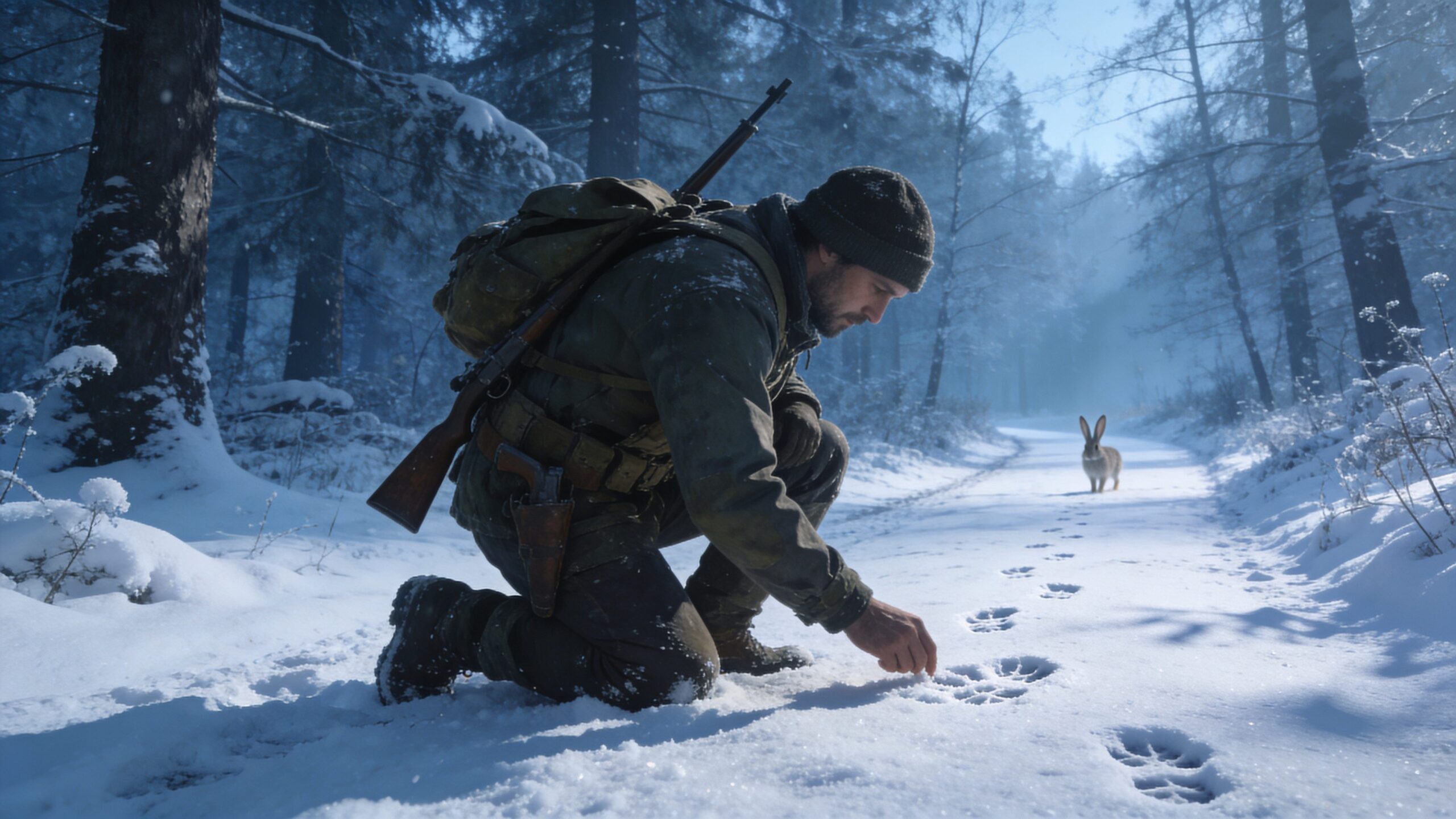
Tracks turn the ground into a map. Rabbit tracks often show a bounding pattern, with larger rear feet landing ahead of smaller front feet. Squirrel tracks can appear near tree bases, logs, and feeding areas. Bird tracks may appear in mud, snow, sand, or dusty field edges. Learning these signs helps beginners understand what animals are present even when none are visible.
Droppings, feeding remains, chewed nuts, clipped vegetation, feathers, trails, and disturbed leaves all tell a story. Fresh sign usually has sharper edges, stronger color, and less weathering. Old sign may be faded, scattered, or covered by debris. The goal is not just to see sign, but to decide whether it is recent enough to matter.
Best Times of Day to Hunt Small Game
Early morning and late afternoon are often productive because many small game species are more active during cooler, quieter periods. Squirrels frequently feed after sunrise, especially when conditions are calm. Rabbits may move at dawn and dusk but often stay tight in cover during the day. Birds may shift between roosting, feeding, and cover depending on weather and pressure. Midday can still be productive, especially in colder weather when animals may wait for slightly warmer temperatures before moving. Beginners should avoid thinking there is only one “perfect” time. Instead, pay attention to the species, season, weather, and local patterns. Over time, you will learn when your hunting area comes alive.
Weather and Small Game Behavior
Weather changes everything. Light rain can soften leaves and make walking quieter. Snow can reveal tracks and concentrate movement. Wind can make animals nervous and make it harder to hear subtle sounds. Extreme cold may reduce activity until warmer parts of the day. A calm, cool morning after a weather change can be excellent.
Beginners should dress for comfort and safety. Being cold, wet, or overheated leads to poor decisions and short hunts. Good layering allows you to adapt as conditions change. Dry socks, gloves, and a wind-resistant outer layer can make the difference between quitting early and staying focused.
Beginner Strategy for Squirrel Hunting
Squirrel hunting is one of the best starting points for new hunters because it teaches observation, patience, and woodsmanship. Look for hardwood trees with active food sources. Sit quietly near oaks or hickories and listen. Squirrels often reveal themselves through movement, barking, scratching, or dropping nut fragments. A good beginner tactic is to sit still for 15 to 30 minutes in a promising area before moving. If the woods go quiet after you arrive, wait. Wildlife often resumes activity once it no longer feels threatened. Scan tree trunks, forks, branches, and the ground. Many squirrels are spotted only after a hunter notices a tail flick, a branch bounce, or a small shape against bark.
Beginner Strategy for Rabbit Hunting
Rabbit hunting is about cover. Look for brushy edges, briar patches, overgrown fields, abandoned farm lanes, and thick creek bottoms. Rabbits prefer places where they can feed close to escape routes. They often hold tight until a hunter gets close, then burst from cover suddenly.
Beginners should walk slowly and pause often. A rabbit may flush after you stop because it thinks it has been discovered. Focus on the edges of cover and openings where a rabbit might cross. If hunting with others, communicate clearly and maintain safe spacing. Rabbit hunting can be exciting, but quick action must never replace safe action.
Beginner Strategy for Upland Birds
Upland birds add speed and unpredictability to small game hunting. Grouse, quail, pheasants, and similar birds can flush suddenly, forcing fast decisions. Beginners should first focus on identification and safety. Never shoot at sound or movement alone. You must clearly identify the bird and know the direction is safe. Bird hunting often involves covering ground and working through likely habitat. Field edges, grasslands, young forests, brush lines, and food sources can all matter. Without a dog, beginners can still succeed by walking slowly, pausing near cover, and paying attention to escape routes. With birds, the lesson is simple: stay ready, but stay disciplined.
Hunting Alone vs Hunting with Others
Many beginners benefit from hunting with an experienced mentor. A good mentor can explain sign, help with safety, identify habitat, and build confidence. Learning in real time is powerful. Seeing how an experienced hunter moves, pauses, listens, and makes decisions can teach more than any article.
Solo hunting can also be rewarding, but beginners should start carefully. Choose familiar areas, keep hunts short, carry essential gear, and let someone know your plan. Solo hunting sharpens awareness because every decision is yours. It also creates a quiet connection with the landscape that many hunters come to treasure.
Ethical Hunting and Respect for Wildlife
Ethical hunting means more than following the law. It means taking responsible shots, recovering game carefully, using harvested animals, respecting landowners, avoiding waste, and valuing wildlife as part of a larger ecosystem. Beginners should develop these habits from the beginning. Small game may be common in many places, but it still deserves respect. A successful hunt is not measured only by how much game is taken. It is measured by preparation, safety, clean decisions, and appreciation for the outdoors. Ethical hunters leave the field with pride because they know they acted responsibly.
Field Care and Cooking Small Game
Learning how to care for harvested game is part of becoming a complete hunter. Small game should be handled cleanly and cooled appropriately. Beginners should learn basic field dressing and processing from a trusted mentor, hunter education resource, or official guidance. Clean field care leads to better meals and less waste.
Small game can be excellent table fare. Rabbit is mild and versatile, squirrel works well in slow-cooked dishes, and upland birds are prized for their flavor. Cooking connects the hunt to the table and deepens the meaning of the experience. For many hunters, the first meal from a successful small game hunt becomes a lasting memory.
Common Beginner Mistakes
One of the most common beginner mistakes is moving too quickly. Small game hunting rewards patience. Another mistake is ignoring habitat and simply walking wherever the trail looks easiest. Productive areas are often brushy, uneven, or tucked away from obvious paths. Beginners may also carry too much gear. A heavy pack can make the hunt uncomfortable and distracting. Start simple, learn what you actually use, and refine your setup over time. Another major mistake is failing to check regulations carefully. Responsible hunting begins before the first step into the field.
Building Confidence Over Time
Confidence comes from repetition. Your first hunt may feel confusing. The woods may seem quiet, tracks may be hard to read, and animals may appear and vanish before you understand what happened. That is normal. Every hunter starts there.
Keep notes after each trip. Record weather, location, time, sign, sightings, and what you learned. Over time, patterns emerge. You will begin to recognize productive habitat, understand animal movement, and trust your decisions. Small game hunting is not just about success today. It is about becoming better every time you go.
Your First Step into a Bigger Outdoor World
Small game hunting is one of the best gateways into hunting because it is accessible, active, and endlessly educational. It teaches the fundamentals of safety, scouting, patience, tracking, habitat reading, and ethical decision-making. It gives beginners room to make mistakes, learn quickly, and experience the outdoors in a direct and meaningful way. Whether you begin with squirrels in a hardwood forest, rabbits in brushy cover, or birds along a field edge, the journey starts with curiosity and respect. Learn the rules, keep safety first, move slowly, observe deeply, and enjoy the process. Small game hunting is not just a beginner’s activity. It is a lifelong skill, a seasonal tradition, and one of the purest ways to understand the land.