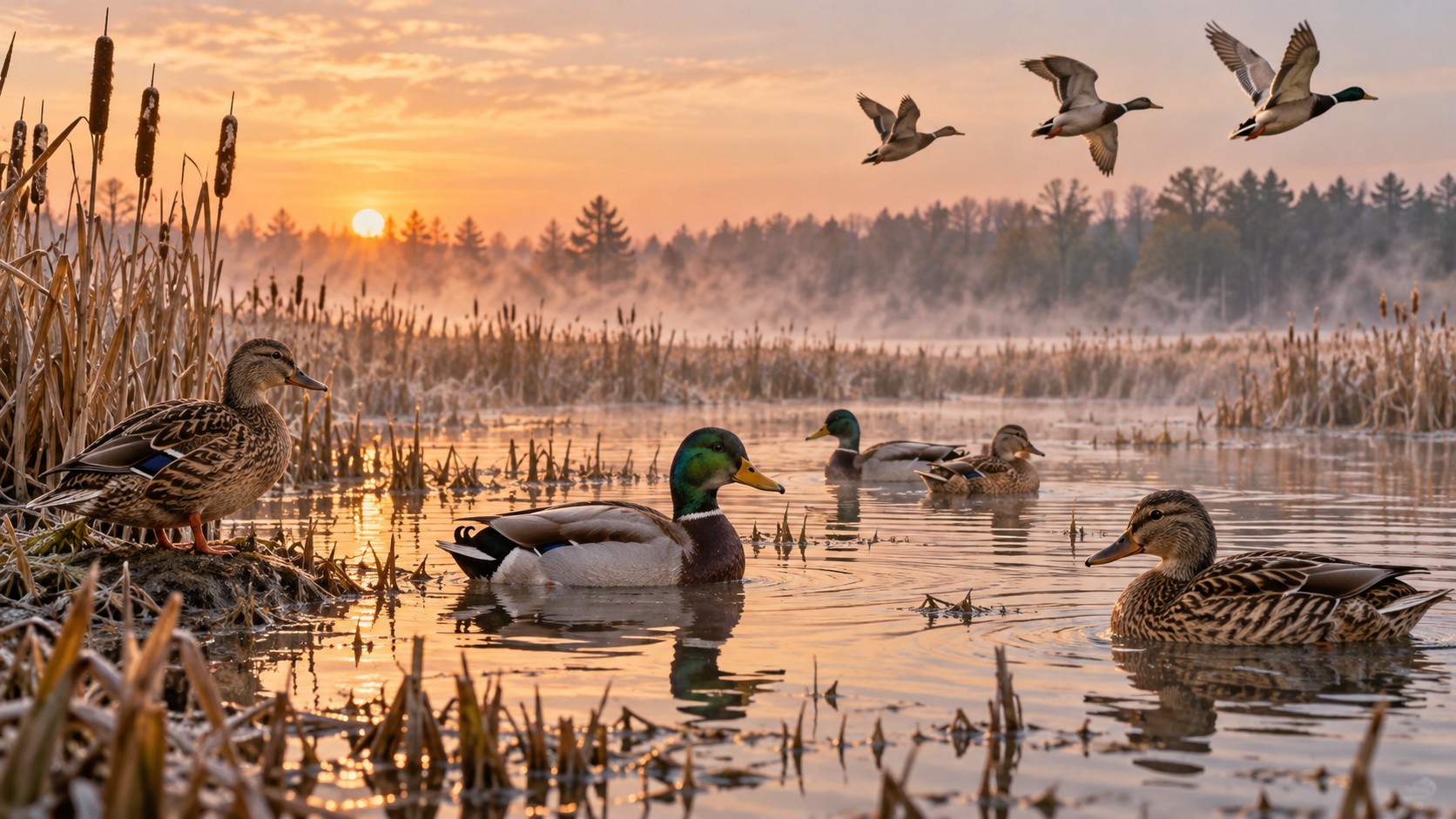
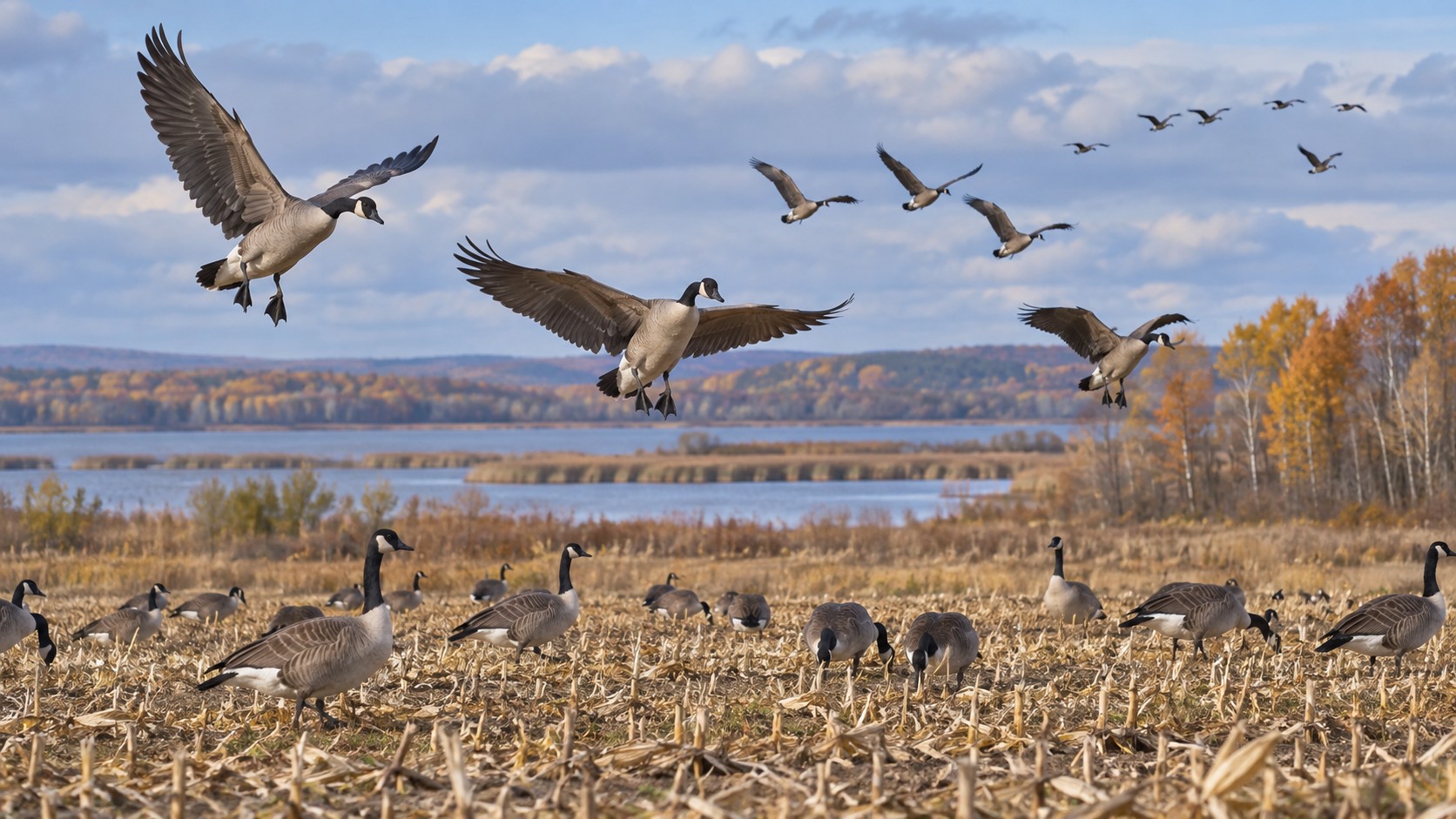
The Wild World of Waterfowl
Waterfowl are some of the most recognizable and exciting birds in the outdoor world. They cross continents, crowd into marshes, skim over lakes, call through fog, and transform quiet wetlands into scenes of constant movement. For hunters, birders, wildlife photographers, conservationists, and curious outdoor explorers, waterfowl offer a living connection to migration, habitat, weather, and wild seasonal rhythm. The term waterfowl generally refers to ducks, geese, and swans, though each group contains an incredible range of sizes, shapes, behaviors, and habitat preferences. Some ducks tip up in shallow marshes to feed on seeds and aquatic plants. Others dive deep beneath open water after mussels, fish, or invertebrates. Geese graze fields and marsh edges in powerful family groups. Swans glide across lakes with striking size and presence. Together, they form one of the most fascinating bird groups in North America and beyond.
What Makes a Bird a Waterfowl?
Waterfowl are birds closely tied to water for feeding, resting, breeding, and migration. They usually have webbed feet, waterproof feathers, broad bills or specialized feeding structures, and strong flight abilities. Their bodies are built for life between water and sky. Even species that spend time in fields, tundra, grasslands, or agricultural landscapes still depend heavily on lakes, ponds, rivers, marshes, wetlands, coastal bays, or seasonal floodwater.
One of the easiest ways to understand waterfowl is to think of them as habitat specialists. Their bills, feet, wings, and feeding styles all reflect where they live and how they survive. A mallard tipping in a flooded marsh, a canvasback diving in deep open water, a Canada goose feeding in a grain field, and a trumpeter swan gliding across a cold lake are all waterfowl, but each uses the landscape differently.
Ducks: The Most Diverse Waterfowl Group
Ducks are the most varied and widely recognized waterfowl. They range from tiny teal to powerful sea ducks, from colorful wood ducks to sleek mergansers. For beginners, ducks can be divided into several practical groups: dabbling ducks, diving ducks, sea ducks, and fish-eating ducks such as mergansers. These groups are not just scientific categories; they help explain where ducks are found, how they fly, and what they eat. Ducks are especially popular among hunters and birders because they are active, widespread, and often colorful. Males, called drakes, may show bold breeding plumage, while females, often called hens, are usually more camouflaged for nesting. Some ducks are easy to identify by color, but many require attention to shape, wing pattern, sound, habitat, and behavior. Learning duck identification is a gradual process, but understanding their major groups makes the field much easier.
Dabbling Ducks: Masters of the Shallow Marsh
Dabbling ducks are the classic marsh ducks. They feed mostly in shallow water by tipping forward, stretching their necks below the surface, and reaching aquatic plants, seeds, and small invertebrates. They often spring almost straight into the air when taking off, which separates them from many diving ducks that need a running start across the water.
Common dabbling ducks include mallards, northern pintails, gadwalls, American wigeon, northern shovelers, green-winged teal, blue-winged teal, cinnamon teal, American black ducks, mottled ducks, and wood ducks. These species favor marshes, flooded fields, ponds, sloughs, shallow lakes, river edges, and flooded timber. Their feeding style makes them closely tied to wetland vegetation, seasonal water levels, and shallow food-rich habitat.
Diving Ducks: Built for Open Water
Diving ducks are built for deeper water. Instead of tipping up, they dive beneath the surface to feed. Many have compact bodies, strong legs set farther back, and quick wingbeats. They often appear on big lakes, reservoirs, rivers, coastal bays, and open water where food is available below the surface. Because their body design favors swimming and diving, many divers patter across the water before gaining enough lift to fly. Common diving ducks include canvasbacks, redheads, greater scaup, lesser scaup, ring-necked ducks, buffleheads, goldeneyes, ruddy ducks, and mergansers. Hunters and birders often notice that diving ducks fly fast and direct, especially when moving across large water. They can form big rafts during migration and winter, creating impressive gatherings that shift with weather, ice, and food conditions.
Geese: Powerful Travelers of Sky and Field
Geese are larger, stronger, and often more vocal than ducks. They are famous for their honking calls, V-shaped flight formations, and seasonal migrations. Many geese feed heavily on grasses, sedges, waste grain, aquatic plants, and agricultural crops. Unlike many ducks, geese spend a great deal of time walking and grazing on land, especially in fields, meadows, marsh edges, and tundra breeding grounds.
Common geese include Canada geese, cackling geese, snow geese, Ross’s geese, greater white-fronted geese, brant, and various regional species. Some populations migrate thousands of miles, while others have adapted to suburban parks, golf courses, reservoirs, and city ponds. Geese are highly social and often remain in family groups, with young birds learning migration routes and feeding patterns from adults.
Swans: The Giants of Waterfowl
Swans are the largest waterfowl and among the most visually dramatic birds on open water. Their long necks, heavy bodies, and graceful movement make them instantly recognizable. Despite their elegant appearance, swans are powerful birds capable of long-distance migration and strong territorial defense during the breeding season. In North America, the best-known swans include trumpeter swans, tundra swans, and mute swans. Trumpeter swans are native giants with deep calls and impressive size. Tundra swans are long-distance migrants that breed in northern regions and winter on lakes, rivers, coastal waters, and agricultural areas. Mute swans, though beautiful, are non-native in many places and can affect wetland vegetation and native bird habitat. Swans need large wetlands, open water, aquatic plants, and safe nesting areas to thrive.
Waterfowl Habitats: Where the Story Begins
Habitat is the key to understanding waterfowl. A bird’s body shape, feeding behavior, migration route, and daily movement all connect back to the places it uses. Wetlands are especially important because they provide food, cover, nesting space, and resting areas during migration. Some wetlands hold birds year-round, while others become critical only during spring floods, fall migration, or winter freeze patterns.
Waterfowl habitats include marshes, ponds, lakes, rivers, reservoirs, flooded timber, agricultural fields, coastal bays, mudflats, prairie potholes, tundra ponds, and seasonal wetlands. Each habitat attracts different species. A shallow cattail marsh may hold teal and mallards. A flooded cornfield may draw geese and dabblers. A deep reservoir may concentrate canvasbacks, scaup, goldeneyes, and buffleheads. A coastal bay may bring brant, sea ducks, mergansers, and swans.
Marshes and Wetlands
Marshes are some of the most important waterfowl habitats on earth. They offer shallow water, aquatic vegetation, insects, seeds, nesting cover, and protection from predators. Emergent plants such as cattails, bulrushes, sedges, and smartweed create structure where ducks can feed, hide, rest, and raise young. For many waterfowl species, a healthy marsh is both a pantry and a shelter. Seasonal wetlands are just as important as permanent ones. Temporary water created by snowmelt, spring rain, river flooding, or seasonal storms can produce an explosion of food. Invertebrates, seeds, and fresh plant growth attract migrating and breeding birds. These short-lived wetlands may look simple, but they can be essential stopover sites for ducks, geese, and shorebirds during key moments of the year.
Lakes, Rivers, and Reservoirs
Open water habitats serve different waterfowl needs than shallow marshes. Lakes, rivers, and reservoirs can provide safe resting areas, diving food sources, and winter refuges when smaller wetlands freeze. Diving ducks are especially tied to these habitats because they feed underwater and often gather in large groups where depth and food supply match their needs.
Rivers can become vital during cold weather because moving water may stay open after ponds and marshes freeze. Ducks and geese often shift to rivers, springs, power-plant lakes, and large reservoirs in late season. These habitats can concentrate birds, creating dramatic wildlife viewing and hunting opportunities. They also show how flexible waterfowl can be when weather changes the landscape.
Flooded Timber and Bottomlands
Flooded timber is one of the most iconic duck habitats, especially for mallards and wood ducks. When rivers rise into bottomland forests, water spreads among trunks, acorns, seeds, invertebrates, and natural cover. Ducks moving through flooded woods often create unforgettable scenes, slipping between trees, circling through shadows, and dropping into small openings. Bottomland hardwood forests are valuable because they connect water, food, and shelter. Oaks and other hardwoods provide mast, while seasonal flooding creates feeding access. Wood ducks also use wooded wetlands for nesting, often relying on tree cavities or nest boxes. These habitats remind us that waterfowl conservation is not only about open marshes; forests, floodplains, and river systems matter too.
Agricultural Fields and Feeding Areas
Many waterfowl, especially geese and some dabbling ducks, use agricultural fields during migration and winter. Waste grain from corn, rice, wheat, barley, soybeans, and other crops can provide high-energy food. Flooded rice fields and harvested grain fields may attract large numbers of mallards, pintails, wigeon, snow geese, specklebellies, and Canada geese.
Agricultural landscapes are especially important when natural food is limited or when birds need energy during migration. However, waterfowl usually need nearby roosting water for safety. A typical daily pattern may involve birds resting on open water, flying to fields to feed, then returning to water to loaf or roost. Understanding this connection between fields and water is essential for both hunters and wildlife watchers.
Coastal Bays and Saltwater Habitats
Not all waterfowl live in freshwater marshes. Many species use coastal bays, estuaries, tidal flats, salt marshes, and nearshore waters. Brant, scoters, eiders, long-tailed ducks, mergansers, and some goldeneyes are often linked to coastal environments. These birds may feed on aquatic vegetation, shellfish, crustaceans, fish, or marine invertebrates. Coastal waterfowl face different challenges than inland birds. Tides, storms, salinity, shellfish beds, eelgrass, and shoreline development all shape their world. Estuaries are especially valuable because they are biologically rich transition zones where rivers meet the sea. For migrating and wintering waterfowl, a healthy bay can be as important as a prairie marsh or inland lake.
Migration: The Great Waterfowl Journey
Migration is one of the most exciting parts of waterfowl life. Ducks, geese, and swans move between breeding grounds, stopover habitats, and wintering areas in response to daylight, weather, food, water, and survival needs. Some birds travel relatively short distances, while others cross vast portions of the continent.
North American waterfowl are often discussed in terms of major flyways: Atlantic, Mississippi, Central, and Pacific. These broad migration corridors help describe how birds move between northern breeding areas and southern wintering grounds. Migration is not a single straight line, though. Birds respond to storms, drought, cold fronts, habitat conditions, and food availability. One wetland may be quiet one week and full of life the next.
Feeding Behavior and Diet
Waterfowl diets vary widely. Dabbling ducks eat seeds, aquatic plants, small snails, insects, and other invertebrates. Diving ducks may eat mussels, clams, aquatic insects, submerged plants, and small animals. Mergansers often feed on fish. Geese graze grasses, sedges, grains, and aquatic vegetation. Swans feed heavily on aquatic plants, using their long necks to reach below the surface. Diet changes by season. Breeding hens often need more protein to produce eggs, so insects and invertebrates become especially important. Migrating birds need high-energy foods to fuel long flights. Wintering birds search for reliable food that helps them survive cold conditions. This is why habitat diversity matters. Waterfowl need different foods at different times of year.
Nesting and Raising Young
Waterfowl nesting strategies are incredibly varied. Some ducks nest in grasslands away from water, while others nest in marsh vegetation, tree cavities, or tundra habitats. Wood ducks are famous cavity nesters, often using natural tree holes or nest boxes. Many dabbling ducks rely on upland cover near wetlands, where hens can hide nests from predators.
Geese and swans often form strong pair bonds and may defend nesting territories. Goslings and cygnets are usually mobile soon after hatching, following adults to feeding and resting areas. Ducklings also leave the nest quickly and follow the hen to water. The early days are dangerous, with predators, weather, water conditions, and food supply all affecting survival.
Identification Basics for Beginners
Waterfowl identification begins with broad categories. Is the bird a duck, goose, or swan? Is the duck a dabbler or diver? Is it in shallow marsh, open lake, river, field, or coastal water? These questions narrow the possibilities before color or markings even enter the picture. For ducks, look at size, body shape, wingbeat speed, bill shape, head profile, and wing patches. For geese, pay attention to size, neck length, head markings, voice, flock shape, and habitat. For swans, look at size, bill pattern, neck posture, and call. Beginners should focus first on common local species. Once you know the familiar birds well, unusual species become easier to notice.
Waterfowl and Weather
Weather drives waterfowl movement in powerful ways. Cold fronts can push birds south. Warm periods may slow migration. Heavy rain can create new shallow-water feeding areas. Drought can reduce wetland availability and concentrate birds where water remains. Ice can force birds from marshes into rivers, reservoirs, and coastal areas.
Wind also matters. Waterfowl often land into the wind, and strong winds can change flight height, direction, and behavior. Storm systems may cause birds to move before, during, or after weather events. For hunters and birders, watching weather is part of watching waterfowl. The birds are always responding to the changing sky.
Conservation and the Future of Waterfowl
Waterfowl conservation depends on habitat. Wetland drainage, drought, pollution, invasive species, shoreline development, and changing land use can all affect ducks, geese, swans, and the places they need. Protecting wetlands, grasslands, floodplains, coastal bays, and migration stopovers is essential for healthy populations. The good news is that waterfowl have inspired some of the most successful habitat conservation efforts in wildlife history. Hunters, birders, landowners, agencies, and conservation groups have all played roles in protecting and restoring wetlands. Every marsh restored, nest box maintained, grassland protected, and clean water project supported helps keep migration alive for future generations.
Why Waterfowl Matter
Waterfowl matter because they connect landscapes. A duck hatched in a northern wetland may winter hundreds or thousands of miles away. A goose feeding in a farm field may have crossed tundra, prairie, river valleys, and reservoirs to get there. A swan resting on a lake may depend on safe stopover sites across an entire migration route.
They also matter because they bring people outside. Waterfowl draw hunters into cold dawn marshes, birders to windy lakeshores, photographers to golden wetlands, and families to local ponds. They teach patience, observation, respect, and seasonal awareness. To understand waterfowl is to understand water, weather, land, and movement.
Final Thoughts: Reading the Water and Sky
The complete guide to waterfowl is really a guide to paying attention. Ducks, geese, and swans are not just birds on water. They are signs of habitat health, weather change, migration timing, and wild abundance. Each species has its own shape, voice, behavior, and preferred place in the landscape. Start with the basics: learn the difference between ducks, geese, and swans. Then study dabblers and divers, marshes and lakes, fields and flyways. Watch how birds feed, fly, rest, and respond to the weather. The more you observe, the richer the world becomes. A quiet wetland is never just water and reeds once you know what to look for. It is a living stage for one of nature’s greatest seasonal stories.