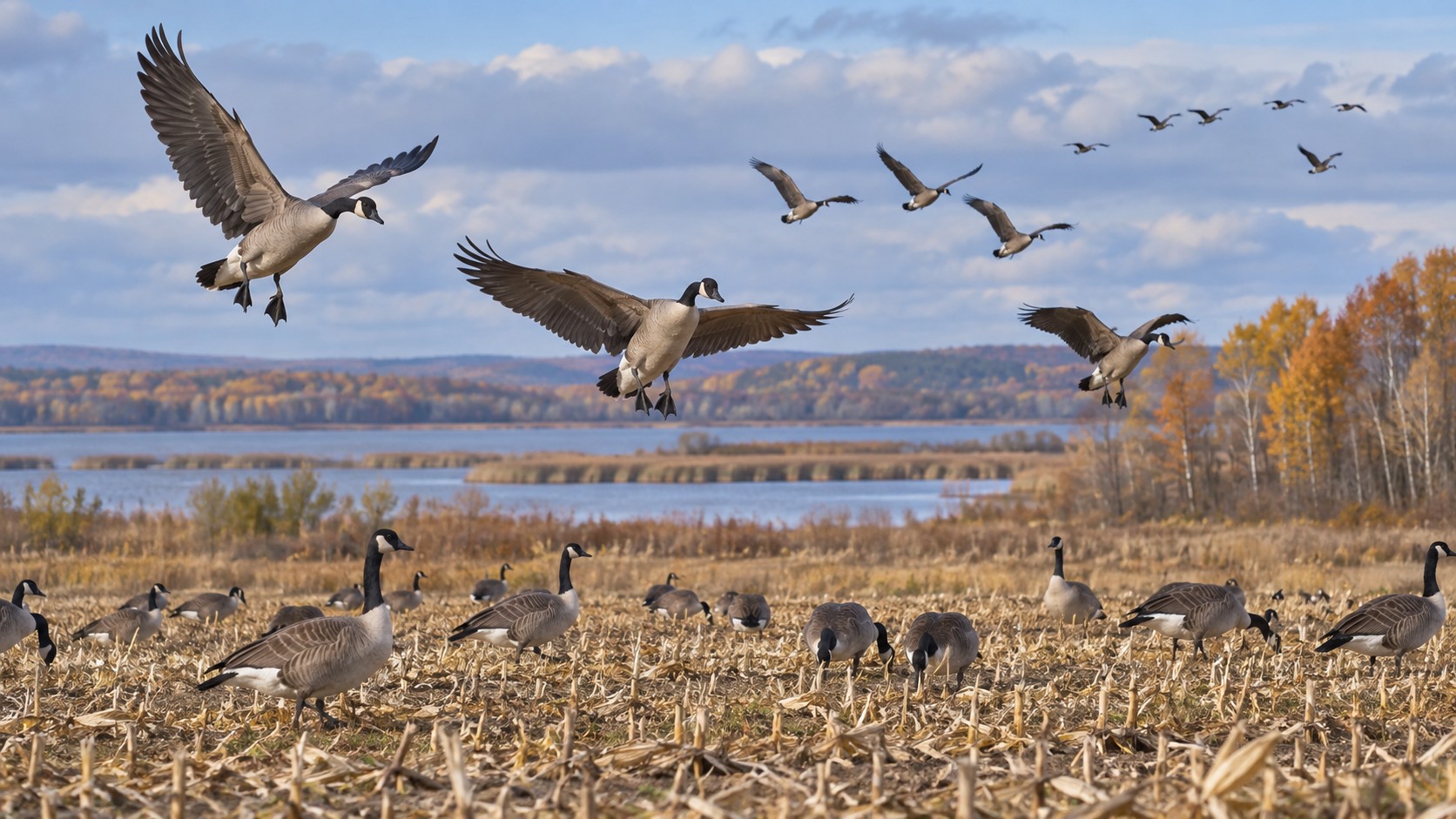
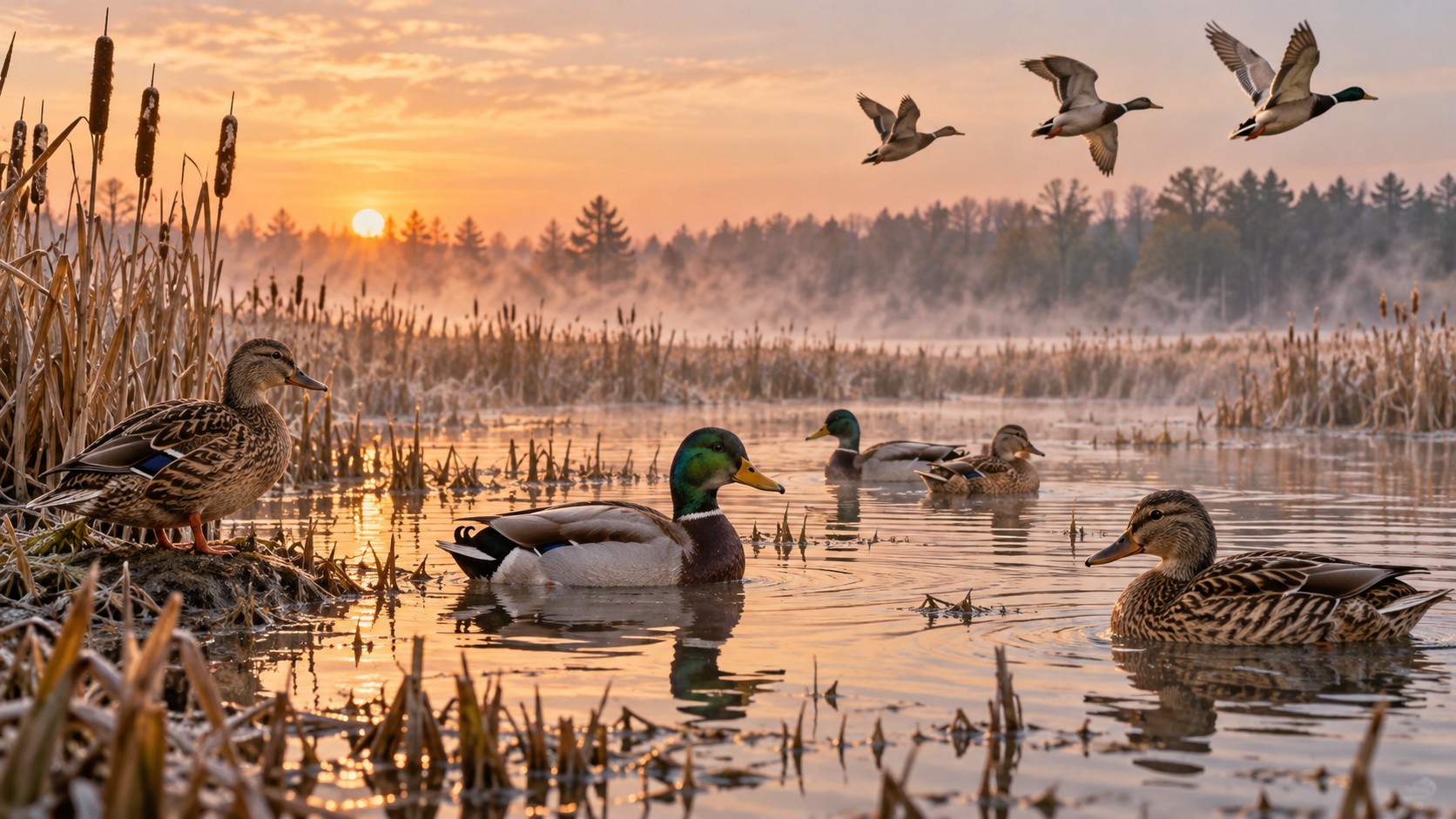
Why Flight Identification Matters
Ducks are among the most thrilling birds to watch because they rarely sit still long enough to make identification easy. One moment the marsh is quiet, and the next a flock appears over the cattails, twisting through the wind with flashing wings and fast, determined movement. For beginners, every bird may seem like a blur of wings, feathers, and guesswork. But with practice, identifying ducks in flight becomes one of the most rewarding skills in waterfowl watching and hunting. For hunters, accurate identification is essential for ethical and legal decision-making. For birders, it turns a distant silhouette into a meaningful observation. Whether you are standing in a duck blind at dawn or scanning a lake with binoculars, the goal is the same: learn to read the clues ducks reveal while they are moving. Shape, speed, sound, flock behavior, wing pattern, and habitat all work together. Once you understand those clues, the sky becomes easier to read.
Start With the Silhouette
The first rule of identifying ducks in flight is to forget color for a moment and focus on shape. Light can be poor, birds can be backlit, and plumage can disappear against clouds or sunrise glare. Silhouette is often the most reliable first impression. Look at the bird’s body shape, neck length, head size, tail profile, and wing placement. Even before you know the species, you can often tell whether you are looking at a dabbling duck, diving duck, goose, swan, or another wetland bird.
Dabbling ducks such as mallards, teal, pintails, gadwalls, wigeon, and shovelers usually have a balanced body shape, fairly broad wings, and a direct but agile flight style. Diving ducks such as canvasbacks, redheads, scaup, ring-necked ducks, buffleheads, and goldeneyes often appear more compact, with faster wingbeats and a lower, more powerful flight. Sea ducks and mergansers may look long-bodied and streamlined. Training your eye to recognize these broad groups is the foundation of duck flight identification.
Watch the Wingbeats
Wingbeat rhythm is one of the most useful clues beginners often overlook. Ducks do not all fly the same way. Some beat their wings rapidly in a tight, buzzing rhythm, while others show a heavier, more deliberate pattern. Teal, for example, are famous for their fast, darting flight. They can look almost like little fighter jets as they zip over shallow marshes and twist suddenly as a group. Their wingbeats are quick, and their flocks often shift direction sharply. Larger dabblers such as mallards and gadwalls usually have steadier, more measured wingbeats. Pintails look graceful and sleek in the air, often showing a long-necked, elegant profile. Diving ducks frequently fly with rapid wingbeats and a strong, purposeful line, especially over open water. Canvasbacks and redheads can appear fast and powerful, while buffleheads look compact and energetic. When color is hard to see, wingbeat rhythm can help narrow the possibilities quickly.
Learn the Difference Between Dabblers and Divers
A major shortcut in duck identification is learning the difference between dabbling ducks and diving ducks. Dabbling ducks usually feed by tipping forward in shallow water, grazing wetland plants, seeds, and invertebrates near the surface. In flight, they often rise almost straight off the water without needing a long running start. Their wings are generally broad enough to give them quick lift, which is one reason hunters and birders often see them spring suddenly from marsh pockets.
Diving ducks are built for deeper water. They swim underwater to feed and often have legs set farther back on the body. In flight, many diving ducks need a running takeoff across the water, pattering along the surface before gaining lift. Once airborne, they often fly fast and direct, especially on big lakes, rivers, reservoirs, and coastal water. If you see ducks flying low and fast over open water in a tight line, you may be watching divers rather than dabblers.
Read the Habitat Before the Bird Arrives
Habitat gives you a powerful head start. Ducks are not randomly scattered across the landscape. Each species has preferences, and those preferences change with season, weather, food availability, and migration pressure. A shallow marsh with flooded vegetation is classic dabbling duck country. Mallards, teal, gadwalls, wigeon, shovelers, and pintails may all use that kind of habitat. A large open lake or reservoir, especially in colder weather, may hold more diving ducks such as scaup, redheads, canvasbacks, goldeneyes, and buffleheads. Wooded swamps and flooded timber often favor mallards and wood ducks. Agricultural fields can attract mallards, pintails, wigeon, and geese, especially during migration. Coastal bays may bring brant, sea ducks, mergansers, and scoters. Before the first flock appears, ask what kind of place you are watching. A bird’s flight shape tells part of the story, but habitat often tells you which candidates are most likely.
Notice Flock Size and Formation
Ducks reveal a lot through the way they travel together. Some species often move in tight, twisting bunches, while others form loose lines or scattered groups. Teal frequently fly in small, fast-moving flocks that turn as if the whole group shares one mind. Wigeon and gadwalls may move in moderate flocks, often with a steady, practical flight style. Mallards can appear in pairs, small groups, or large migration flights, depending on the season and location.
Diving ducks often travel in lines, rafts, or compact groups over open water. Canvasbacks and redheads may fly in strong, direct formations. Scaup can appear in larger flocks, especially on big water. Mergansers often show a low, straight flight, sometimes following rivers or shorelines. Formation alone will not identify the bird, but it helps build the case when combined with silhouette, habitat, sound, and wing pattern.
Use Size Comparisons Carefully
Size is helpful, but it can also trick you. Distance, lighting, wind, and background can all distort how large a duck appears. A teal close overhead may look larger than a mallard far away. A fast-moving bird in low light may seem smaller than it really is. Beginners should avoid making identification based on size alone, but size becomes useful when birds are flying together. When mixed flocks pass by, compare body length, wingspan, and wingbeat speed. Teal are noticeably smaller than mallards. Pintails often look long and slender. Shovelers may appear front-heavy because of their large bill, although that feature can be hard to see in flight. Canvasbacks and redheads are medium-to-large divers with strong profiles, while buffleheads are small and compact. The key is to compare relative size, not guess exact size.
Look for Wing Patches and Flash Patterns
Many ducks show identifying wing marks in flight. These flashes can be brief, but they are some of the most valuable clues you can learn. Mallards often show a blue-purple speculum bordered by white, though lighting can affect how vivid it looks. Green-winged teal show a bright green wing patch, while blue-winged teal and cinnamon teal may show pale blue upperwing patches. Gadwalls reveal a white wing patch that can flash clearly when they bank.
Wigeon often show bold white wing patches, especially males, and a clean, bright look when turning. Pintails can show a sleek shape with more subtle wing contrast. Shovelers may show blue wing coverts and green speculum, but their broad bill and body style also help. Divers have their own wing signals. Scaup may show white in the wing, goldeneyes show bold white patches, and buffleheads flash striking white, especially on the head and wing. Instead of trying to memorize everything at once, start with the common species in your region.
Study the Head and Neck Profile
Even at a distance, the head and neck can be revealing. Mallards have a fairly familiar, balanced duck profile. Pintails look longer and more elegant, with a slender neck and pointed tail impression. Shovelers can appear front-heavy because of the oversized bill, creating a distinctive shape when the angle is right. Wood ducks have a compact body, relatively broad wings, and a crested head shape that can sometimes be noticed in good light. Diving ducks often have different head profiles. Canvasbacks are known for a sloping forehead and long, powerful shape. Redheads have a rounder head. Scaup can appear compact with a rounded or slightly peaked head, depending on angle and species. Goldeneyes may look big-headed with a short neck, while mergansers often show a long, thin body and narrow bill. These clues require practice, but they become easier once you stop looking only for color.
Listen Before You Look
Sound is one of the fastest ways to identify ducks, especially in low light. Many hunters and birders hear birds before they see them. Mallards have the classic hen quack, but they also make softer calls and drakes produce quieter, raspier sounds. Teal often give high, quick peeps or whistles. Wigeon are known for whistling calls, and pintails may also make soft whistles. Wood ducks produce distinctive squeals and high-pitched calls that can alert you before they flash through timber.
Geese and swans are louder and usually easier to separate from ducks, but even among ducks, calls matter. The challenge is that flying birds may be silent, and mixed flocks can create confusing sound. Still, learning common calls can dramatically improve your identification skills. When you hear a call, connect it with the flight shape and location. Over time, your brain begins to match sound, movement, and silhouette into one clear impression.
Understand Speed and Flight Style
Ducks are built for motion, but each group moves with its own character. Teal are quick, erratic, and agile. They often appear suddenly, skim low, and change direction sharply. Mallards have a strong but more measured flight, often circling and checking an area before committing to land. Pintails look graceful and fast, especially when traveling high. Wigeon can appear compact and energetic, with noticeable wing flashes when they turn. Divers often fly with a sense of purpose. They may stay low over open water, moving from one feeding or resting area to another. Mergansers can look sleek and direct, almost torpedo-like in flight. Buffleheads fly rapidly with compact bodies and quick wingbeats. Watching flight style is like learning handwriting. At first, every signature looks similar. After enough observation, individual patterns start to stand out.
Pay Attention to Landing Behavior
Ducks often reveal themselves when preparing to land. Dabbling ducks may circle, cup their wings, drop their feet, and settle into shallow water or flooded vegetation. Mallards are famous for working an area in circles before descending, especially when they are cautious. Teal may drop quickly and suddenly into small openings. Wood ducks often dart through timber or along creek corridors, landing in tight spaces with surprising agility.
Diving ducks usually land differently. On open water, they may come in low and fast, then skid onto the surface. Large rafts of divers may shift and settle together. If ducks are landing in deep open water rather than shallow marsh or flooded field, that behavior can help narrow your identification. Landing style is especially useful when the flight view is brief because it connects the bird to its preferred habitat and feeding strategy.
Learn Common Beginner Species First
Beginners often make the mistake of trying to learn every duck at once. A better approach is to master the most common species in your region first. In many parts of North America, mallards are the anchor species. Learn their size, wingbeat, silhouette, call, and wing patch. Then compare other ducks against them. Teal are smaller and faster. Pintails are slimmer and longer. Shovelers have a different bill-heavy look. Gadwalls are subtler but often show clean wing flashes. For divers, start with the obvious contrasts. Buffleheads are small and striking. Mergansers look long and narrow. Canvasbacks and redheads are larger, fast-flying divers often linked to open water. Scaup can be challenging, but learning their general shape and flocking behavior helps. You do not need expert-level identification on day one. You need a reliable framework that improves every time you go outside.
Avoid the Most Common Mistakes
One common mistake is relying too heavily on color. Color matters, but flight identification often happens in poor light, at distance, or during fast movement. Another mistake is ignoring behavior. A duck flying over a marsh, circling with slow confidence, and calling like a mallard is giving you more than visual information. A compact flock racing low over a lake with rapid wingbeats is telling a different story.
Another beginner mistake is forcing an identification too quickly. Good observers learn to say, “I am not sure.” That honesty is valuable. It prevents bad assumptions and encourages better learning. For hunters, uncertainty should always lead to restraint. For birders, uncertainty is part of the process. Record what you saw: size, shape, wingbeat, sound, habitat, direction, and flock style. Even unidentified birds can teach you if you notice the right details.
Practice With Binoculars and Field Guides
The best way to improve is to watch ducks often, not only during hunting season or rare birding trips. Visit local ponds, marshes, reservoirs, rivers, and wildlife refuges. Watch birds take off, circle, land, and interact. Binoculars are helpful, but do not rely on them so much that you miss the broader flight pattern. Sometimes the naked eye is better for judging speed, flock shape, and wing rhythm. A good field guide or bird identification app can help confirm what you saw after the moment passes. Study flight plates and compare species side by side. Look for differences in wing markings, head shape, body proportions, and underwing patterns. If possible, take photos, even imperfect ones. A blurry image can still reveal wing patches, silhouettes, and flock structure. The goal is not perfection. The goal is steady improvement.
Use the Four-Clue Method
When a duck passes overhead, try a simple four-clue method: shape, movement, sound, and place. First, ask what the silhouette suggests. Is it small and fast, long and elegant, compact and diving-duck-like, or broad and familiar? Second, watch how it moves. Is it darting, cruising, circling, or flying low and direct? Third, listen for calls or wing sounds. Fourth, connect the bird to the habitat around you.
This method prevents you from getting stuck on one clue. A flash of white in the wing might suggest several species, but combined with marsh habitat, medium size, and a steady dabbler flight, your options narrow. A compact bird with rapid wingbeats over open water points in a different direction. Identification is not about one magic feature. It is about stacking clues until the answer becomes likely.
Hunters and Birders Share the Same Skill
Although hunters and birders may have different goals in the field, the identification skill is remarkably similar. Both groups benefit from patience, observation, and respect for the birds. Hunters need fast, responsible decisions and must understand local regulations, seasons, and species limits. Birders often have more time to watch, compare, and document, but they face the same challenge when ducks are distant or moving quickly. The best waterfowl observers often learn from both worlds. Hunters become better by studying behavior beyond the blind. Birders become better by understanding how weather, habitat, pressure, and migration influence movement. Ducks are not just names in a field guide. They are living travelers responding to wind, food, water, safety, and season. The more you understand that, the easier identification becomes.
Weather Changes Everything
Weather can transform duck behavior overnight. Cold fronts may push migrating birds south, while warm spells can slow movement. Strong winds may force ducks to fly lower, making identification easier but movement more chaotic. Bluebird days can keep birds high and cautious, while fog, rain, or snow may limit visibility and make silhouette identification more important.
Wind direction can also affect how ducks approach a wetland or field. Birds often land into the wind, which influences their flight path and posture. During harsh cold, open water becomes more valuable, and diving ducks may concentrate where ice has not formed. Dabblers may shift to rivers, springs, or flooded fields with available food. A beginner who watches the weather learns to predict not only where ducks may be, but how they may appear in flight.
Building Confidence Over Time
Identifying ducks in flight is not a skill you master in one morning. It develops through repeated exposure, careful attention, and a willingness to learn from mistakes. At first, you may only separate small ducks from large ducks, dabblers from divers, or ducks from geese. That is progress. Then you begin recognizing teal by speed, mallards by shape and call, pintails by elegance, and buffleheads by compact flash. Eventually, your observations become faster and calmer. Instead of chasing every detail, you notice the important ones naturally. The flock appears, banks over the water, and your mind begins assembling the clues: small, fast, tight group, blue wing flash, shallow marsh. That is the moment when identification becomes exciting. You are not just looking at ducks anymore. You are reading the sky.
Final Thoughts: Let Every Flight Teach You
Ducks in flight are challenging because they are alive with motion. They twist, climb, bank, flare, and vanish into light and weather. But that challenge is exactly what makes identifying them so satisfying. Each flock offers a quick lesson in shape, speed, sound, behavior, and habitat. Beginners who pay attention to those clues will improve quickly, whether they carry binoculars, a camera, or a shotgun.
Start simple. Learn silhouettes first. Watch wingbeats. Study common species. Use habitat and sound. Be honest when you are unsure. Over time, the blur becomes detail, and the detail becomes knowledge. The marsh will feel different when every passing flock has a story, and every wingbeat gives you another chance to understand the wild world moving overhead.