Better Coyote Stands Begin Before the First Sound
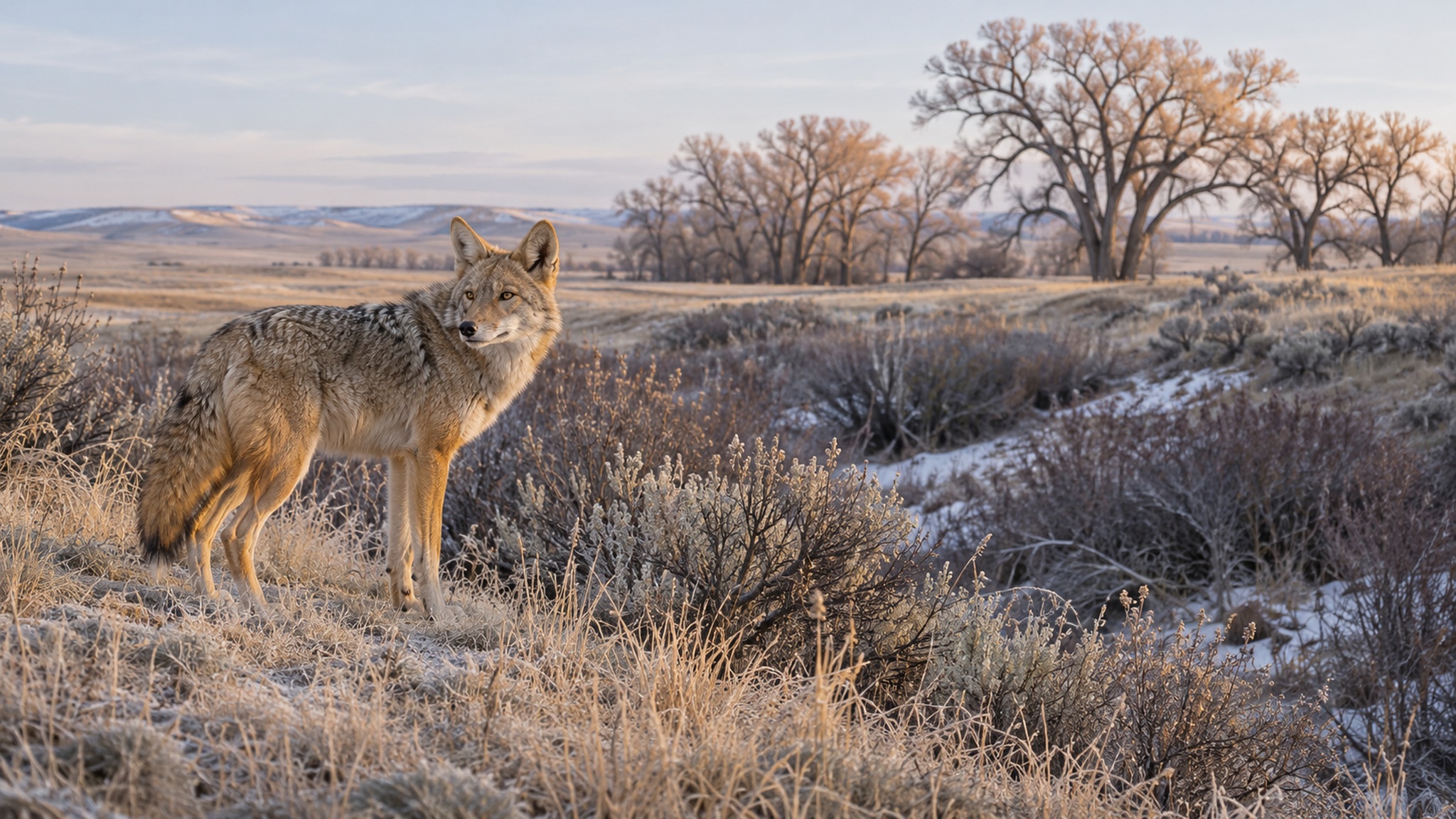
A coyote can hear a convincing call and still never enter a place where a hunter can identify it clearly and make a responsible decision. The missing piece is often the stand itself: how you reached it, what the wind carries toward the animal, which approach routes remain hidden, and what you can actually see from a seated position. Consistent predator hunting grows from connecting those details rather than finding one irresistible sound. Start with evidence that coyotes use the area, choose an approach that leaves that evidence undisturbed, and build a setup around observation. Even then, no arrangement guarantees a response. The useful goal is to make each outing a fair test of a specific location and learn why an animal could approach, hesitate, or disappear.
Find a Place Coyotes Have a Reason to Visit
A promising landscape supplies prey, cover, and connected travel routes. Brushy drainages, field margins, rough grass, young woodland, and wetland edges can bring those ingredients together, but their appearance alone proves little. Search for repeated evidence across separate visits. Tracks along a sandy crossing, fresh droppings on a travel route, and sightings near adjacent cover build a stronger picture than one distant howl heard weeks earlier.
Read that evidence at the scale of the surrounding property. A small draw may function as a passage between larger cover blocks rather than a place where coyotes spend the day. Calling beside it can make sense when animals are using the connection, but the same stand may be quiet after neighboring activity changes. Keep the distinction between an attractive feature and a currently used feature clear. Permission to hunt one parcel also does not provide permission to follow an animal onto the next.
Study the Approach From the Coyote’s Side
Before choosing where to sit, imagine arriving from the most likely cover. Look for the first point where an approaching coyote could see your position, the route that would allow it to remain screened, and the ground it might use to investigate from downwind. This exercise often reveals that a comfortable seat faces the wrong opening. Move the observation point while you still have time to do so quietly. A stand should give you useful visibility without requiring an animal to cross an implausibly exposed space simply because that is where you want it.
Terrain complicates the picture. A shallow fold can hide an animal that appears obvious on an aerial map, while a rise behind you may outline every movement against the sky. Walk the location during a scouting visit and compare views from different heights. Check what is visible when seated, wearing the clothing and pack you will actually use. The map helps you ask better things of the ground; the ground supplies the answer.
Do not confuse seeing farther with having a better stand. A wide view can contain roads, livestock, houses, equipment, and neighboring hunters that rule out portions of the landscape. Establish those limits before any calling begins. An animal entering a prohibited or unsafe sector remains an observation, however attractive the opportunity appears.
Let Wind Shape the Whole Setup
Wind connects your entry route, sitting position, caller location, and the cover animals may use. Consider where your scent will travel across that entire arrangement rather than checking direction once beside the vehicle. Vegetation, slope, shelter belts, and changing temperature can alter local airflow. If the wind repeatedly carries scent into the only likely approach, another location may offer a clearer test. No scent product can make that geometric problem disappear, and an unsettled breeze can justify ending a stand before it educates an unseen animal.
Arrive Without Advertising the Stand
The hunt begins when you enter the area, not when a call starts. Park where the vehicle will not dominate the animal’s view, close doors deliberately, and organize equipment before stepping away. A route that follows cover or uses terrain to hide your outline can be worth more than shaving a few minutes from the walk. Avoid crossing the very opening you hope an animal will use if a reasonable alternative exists.
Balance discretion against safe access. Detouring through steep footing, deep water, or an unknown livestock enclosure creates different problems. Choose a route you can retrace and leave enough daylight for an unhurried exit. On shared land, remain aware that another hunter may be approaching from a direction you cannot see. Quiet travel should never come at the expense of identification, communication, or legally required visible clothing.
Build a Seat You Can Actually Use
A productive-looking opening loses value if you cannot remain steady and comfortable while watching it. Choose support that lets you observe without repeatedly shifting your shoulders or lifting equipment through brush. Test the range of motion before settling. A branch that seems harmless while standing can block binoculars or interfere with a safe movement from a seated position.
Keep essential controls accessible. A tangled remote cord, a phone buried under several layers, or gloves that make buttons unusable can prompt exactly the movement you wanted to avoid. Work out these small details during practice rather than during an approaching animal’s inspection. Carry less if excess equipment makes the setup noisy and difficult to manage. Familiarity usually contributes more than adding another gadget.
Partners need an agreed arrangement as well. Establish where each person sits, which areas each may observe, and how you will communicate before anyone moves. Nobody should relocate behind another person without a clear signal and acknowledgment. If another person, a dog, or livestock enters the area, stop and reassess the stand together. A shared plan should remain understandable even when excitement rises.
Use Sound as an Invitation, Not a Guarantee
Calling can attract attention from animals that are present, but it cannot repair poor access or create coyotes in an unused area. Choose a legal call you can operate confidently and begin with a deliberate plan rather than constant experimentation. Watch the surrounding cover while listening for a response. Silence does not prove that nothing has heard you, and a vocal response does not promise an approach.
Volume should suit the conditions rather than a fixed rule borrowed from another landscape. Wind, vegetation, terrain, and distance affect what carries. Avoid treating every quiet minute as evidence that a louder or more dramatic sound is required. If you change something, make one purposeful adjustment and remember what you changed. The exact calling sequence deserves its own practice; stand evaluation works best when the sound is a controlled part of the setup.
Watch for the Animal You Almost Missed
An approaching coyote may become visible only in pieces: ears above grass, a moving shoulder behind stems, or a shape paused at a cover edge. Use deliberate visual sweeps rather than staring continuously at the caller. Revisit the downwind side when it can be observed safely, and inspect small openings along connected cover. Binoculars can help resolve an uncertain shape, but movement alone never establishes species. Domestic dogs, foxes, livestock, and people can occupy the same landscape. Keep the identification decision separate from the excitement of noticing motion.
Recognize When Conditions Have Changed
The strongest reason to leave is sometimes a change in the setup rather than the passage of a particular number of minutes. Wind that swings into the approach, farm machinery entering the next field, or another party arriving can remove the conditions on which your plan depended. Continuing simply because you have invested time is rarely useful. Finish quietly and record what interrupted the attempt.
Likewise, an animal that appears and then vanishes does not provide a complete diagnosis. It may have encountered scent, seen movement, followed cover outside your view, or lost interest for reasons you cannot establish. Describe what you observed before assigning a cause. That habit prevents one uncertain encounter from becoming a rigid rule that weakens every future stand.
Measure Improvement Across Several Outings
A practical hunting record can remain brief while still being specific. Record the location, entry route, wind behavior, calling period, visible approaches, and any observed animal response. Include failed access, obstructed views, and interruptions. Those details explain the quality of the attempt more clearly than a simple success-or-failure mark. Sketches can help when several similar draws begin to blur together.
Review the record after a group of outings. You may discover that animals appear near a hidden crossing, that a favorite seat consistently loses the downwind approach, or that a noisy parking location compromises an otherwise good property. These are changes you can act on. A blank page after an unproductive morning leaves you with little beyond the urge to buy something different.
Keep uncertainty visible in the record. A presumed coyote track in dry soil remains a tentative identification unless other evidence supports it. An animal disappearing behind a ridge remains out of view rather than automatically winded. Precise observations make future comparisons more useful and keep confidence tied to evidence. Over time, consistency means repeating sound decisions while adapting the location to what you actually learn.
Keep Access, Identification, and Local Rules Current
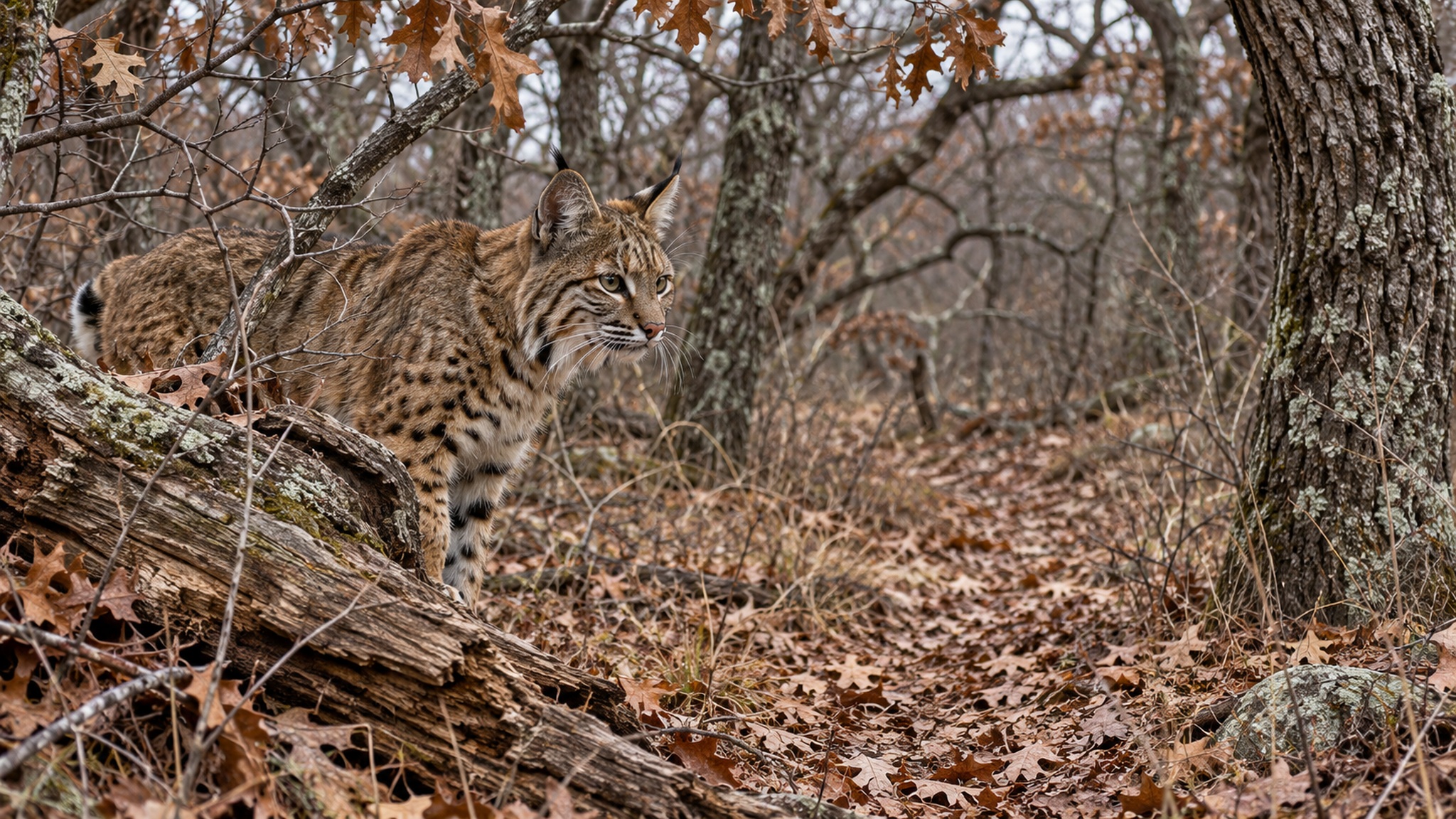
Predator regulations vary by jurisdiction, land designation, season, and method. Confirm the applicable license, permission, species rules, legal hours, and whether electronic calls are permitted before the outing. Do not assume that rules for coyotes also apply to bobcats or foxes. The Missouri Department of Conservation’s predator introduction offers one agency’s practical starting point; use your own wildlife agency for the rules governing your location.
Decide in advance how you will handle an animal lawfully and what recovery access is available. Wear appropriate protective equipment when handling wildlife and follow current agency guidance about disease concerns. Respect landowners’ requests, leave gates as instructed, and communicate honestly about what you observed. A dependable relationship with the people who manage a property can support better hunting far longer than one hurried opportunity.
Separate a Location Problem From an Equipment Problem
After several unproductive stands, inspect the simplest explanations first. Were there current signs of coyotes, and did your seat reveal the places where an animal could approach? If those answers remain uncertain, changing a call or adding an accessory does not answer the underlying problem. A scouting visit without hunting pressure may provide more useful information than another identical attempt.
Equipment deserves attention when you can identify a specific failure. A remote that repeatedly loses communication, batteries that do not last as expected, or a control that cannot be operated with gloves creates a practical obstacle. Test that issue in a suitable place and repair or replace the faulty component. Distinguishing a demonstrated failure from general disappointment keeps the next outing focused.
Ask a trusted partner to examine the stand from another perspective when access permits. They may notice a concealed approach, an exposed outline, or background activity you have stopped registering. Compare their observations with your record instead of assuming that experience makes your original interpretation correct. An outside view is useful because the landscape has more than one reasonable reading.
Make the Next Stand a Better Decision
The most useful coyote hunting tips work together: locate current use, protect the approach, understand wind, create a manageable observation position, and evaluate what happens without inventing explanations. None supplies a guaranteed response by itself. A well-chosen stand makes the animal’s possible routes understandable and leaves you free to observe patiently. When conditions fail, moving on is a decision supported by evidence rather than an admission of defeat. That is how scattered encounters become a more consistent and responsible hunting practice.