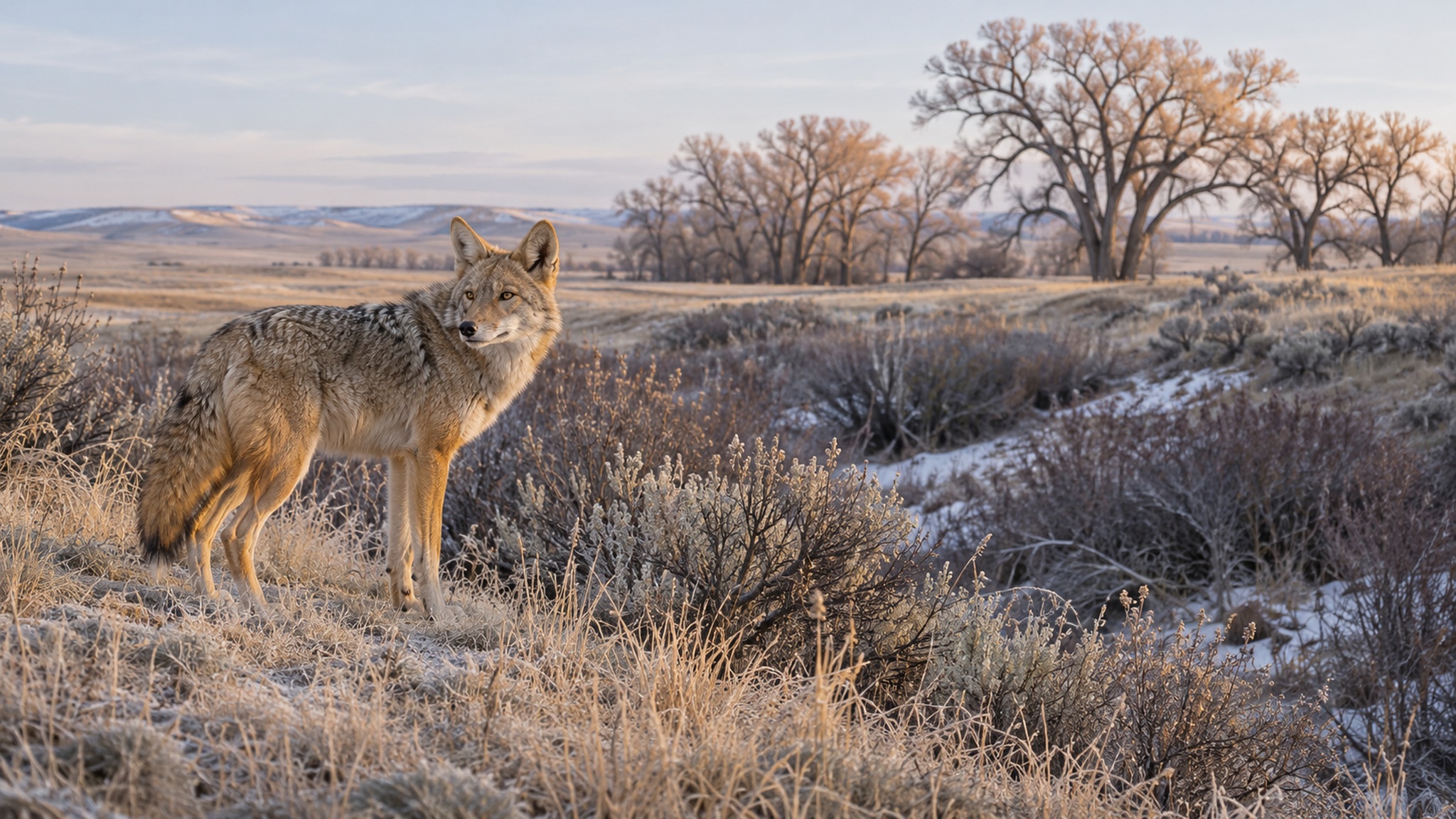
Your First Bobcat Hunt Is an Exercise in Patient Observation
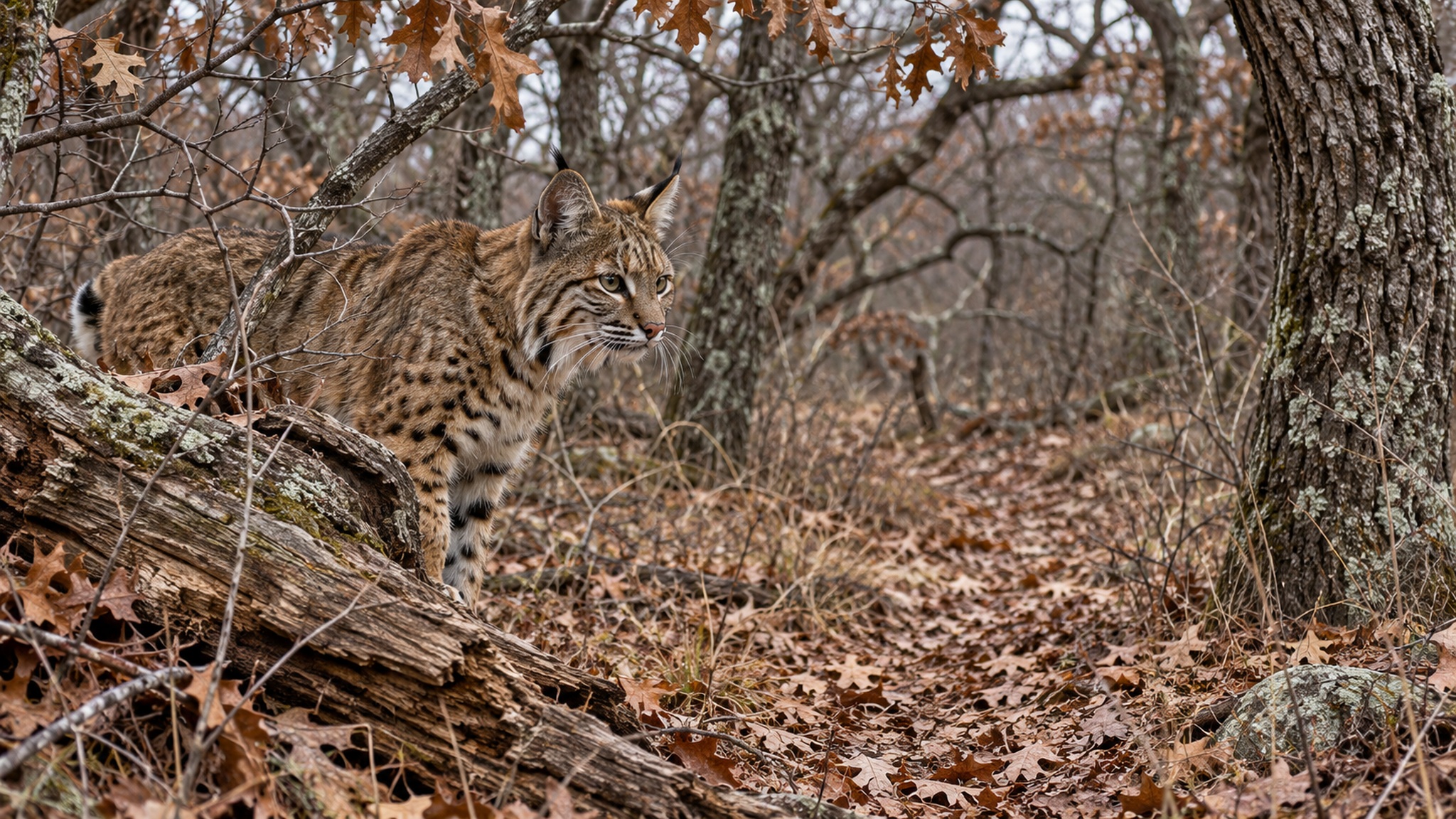
The first bobcat you notice may have been watching the opening longer than you have. Its spotted coat can dissolve into leaf litter, its low posture can hide behind a log, and its approach may provide no obvious sound at all. That makes a beginner’s bobcat hunt less about covering ground quickly and more about preparing to recognize a small, quiet change in familiar cover. Learn what the animal looks like, choose a lawful location with recent evidence, and arrange a comfortable place to watch before thinking about an encounter. A successful first outing can be a careful identification or a clearer understanding of habitat, even when no animal is taken.
Start With the Animal, Not the Equipment
Bobcats are compact wild cats with short tails, facial ruffs, and coats whose color and spotting vary geographically. Ears may carry small tufts, but no single feature should carry the identification decision. Compare the entire animal, including body proportions and tail length. A domestic cat seen through brush can produce a misleading first impression, and a partially hidden larger cat requires particular caution.
Study photographs and agency identification material before heading out. Look at animals standing, crouching, and moving rather than memorizing one ideal broadside portrait. Notice how lighting changes the apparent coat and how little of the body may be visible in thick vegetation. Identification is a skill that deserves deliberate preparation; the moment you notice movement is a poor time to begin learning it.
Bobcat behavior also resists simple guarantees. An animal can approach cautiously, pause for a long period, cross an opening without stopping, or never appear despite being nearby. Avoid building your expectations around edited videos that compress hours of waiting into a few dramatic seconds. Give yourself a realistic objective: learn one location carefully enough to understand where a cat could travel and what would let you identify it.
Resolve the Rules Before Choosing a Date
Furbearer regulations can include distinct seasons, permits, possession limits, tagging, reporting, and pelt requirements. Equipment that is lawful for coyotes may not be lawful for bobcats. Check the current wildlife agency regulations for your jurisdiction and the specific land unit, and resolve anything unclear directly with the agency. The Missouri Department of Conservation’s bobcat regulations illustrate why species-specific rules matter, but they govern Missouri rather than every reader’s location. Save the relevant official guidance for your hunt and confirm it again when a new season begins.
Choose Cover With Several Supporting Clues
Bobcats use varied landscapes, so begin with structure rather than one postcard image of ideal habitat. Thick vegetation near openings, rocky breaks, tangled drainage edges, and wooded transitions can provide concealment and access to prey. The useful feature is how those elements connect. A narrow strip of brush may link a larger resting area to places where small mammals and birds are active.
Look for repeated signs of use while acknowledging the limits of field identification. A rounded print without obvious claw marks may be consistent with a cat, but dry soil, overlapping impressions, and partial tracks can mislead. Photographs with a scale and several consecutive prints are more helpful than a single cropped image. If a camera is lawful and appropriate, a clearly identified animal can strengthen your understanding without repeated intrusive visits.
Scout the Small Openings
A beginner often chooses the broadest view because it seems easier to watch. In bobcat cover, a smaller opening along a plausible route may offer more useful observation. Inspect gaps beside logs, brush edges, and the places where an animal moving under cover would briefly become visible. Avoid assuming the cat will walk directly through the center of an open field simply because that is convenient for you.
Check these openings from the position you will actually occupy. Kneeling or sitting changes the view dramatically, especially where grass, low branches, or uneven ground blocks the lower part of the scene. Choose a location that gives a clear observation area and an appropriate background. Mark unsafe or unusable directions in your mind before beginning, including houses, roads, livestock, and places where other people might approach.
Leave dens and resting sites undisturbed. The purpose of scouting is to understand travel and habitat, not to force an animal out of shelter. Repeated close intrusion can change the behavior you are trying to observe. Respecting cover also protects other wildlife that uses the same place.
Rehearse the Outing Before the Season
A short practice session can expose problems that reading cannot. Put on the layers you expect to wear, choose a suitable seat, and watch a patch of vegetation without continually adjusting equipment. Try raising binoculars slowly, finding a landmark, and describing a partly hidden object accurately. Keep this exercise separate from handling a firearm and use an ordinary observation setting where you have permission to be. You may discover that a strap squeaks, a glove catches a buckle, or the seat prevents a comfortable view to one side. Solve those issues before they compete with identifying wildlife. Practice also reveals how easily attention drifts during an apparently quiet period. Returning your gaze methodically to several small openings is a learnable habit, and it makes the first real outing feel more familiar. Preparation does not guarantee a bobcat encounter, but it improves how much you can observe and how clearly you can interpret it.
After the first trip, choose one observation skill to improve rather than changing everything at once. It might be identifying a cat’s full outline through brush or keeping track of several small openings. A focused practice goal makes the next outing easier to evaluate and keeps progress tied to something you can actually observe.
Prepare for Stillness
Comfort has a practical role in this hunt. A seat that causes numb feet, clothing that rustles whenever you breathe, or optics that require a large movement can make patient observation difficult. Test your clothing, gloves, and support at home or during a scouting visit. Keep essential controls accessible and protect yourself from the expected weather. A simple setup you can manage quietly is more useful than equipment that demands constant adjustment.
Understand What Calling Can and Cannot Tell You
Where lawful, prey-distress sounds may draw a bobcat’s attention. Their purpose is to create something worth investigating, not to trigger a guaranteed arrival on a schedule. A quiet landscape does not establish whether an animal heard the sound, ignored it, or is approaching under cover. Choose equipment you understand and remain focused on observation instead of continuously watching a controller.
Do not borrow a coyote calling routine without considering the different animal and setting. Bobcats can move slowly and pause where their camouflage makes them difficult to detect. Rapidly changing sounds in frustration can turn a deliberate attempt into an experiment you cannot interpret. Keep a record of what you used and what you actually saw, without claiming a silent response proves the call failed.
Learn to Notice Partial Animals
Watch the structure of the cover rather than waiting only for a fully exposed cat. A symmetrical face beside a trunk, a spotted shoulder above a log, or an ear that changes position can deserve closer inspection. Use binoculars to resolve uncertain details while keeping movements controlled. Never use a firearm’s sight as an identification tool for an unknown shape.
When you notice a possible animal, slow the decision down. Check the body, tail, setting, and the area behind it. Vegetation can conceal another animal or a person beyond the first object that caught your attention. If you cannot establish species and a safe situation, continue observing or let the encounter pass.
A cat that stops moving can seem to vanish without leaving. Fix the last observed location against a particular stump, rock, or branch rather than scanning randomly for the whole animal again. Watch adjacent openings while allowing for the possibility that it remains where you last saw it. This patient reconstruction is often more informative than immediately deciding the cat has gone.
Make the Decision Before Excitement Arrives
Beginners benefit from deciding their limits before any wildlife appears. Know which observations are enough for identification, which areas are excluded, and which conditions would make you end the outing. Equipment familiarity and supervised practice belong before the hunt. A fleeting opportunity does not expand your demonstrated ability or change the legal requirements.
If a responsible opportunity never develops, letting the animal leave is a complete and acceptable decision. Avoid moving recklessly through cover to recover a disappearing view. There may be another animal, a partner, or an unseen obstacle in the direction you want to go. The ability to stop is part of becoming competent, particularly when a rare sighting makes the moment feel urgent.
Plan the Responsibilities After an Encounter
Understand the recovery, reporting, tagging, and handling steps that apply before the outing begins. Have lawful access for recovery and know whom to contact if an animal crosses a boundary. Carry the equipment needed for safe, hygienic handling and follow current agency guidance about wildlife disease and pelt care. If using a taxidermist or fur professional, ask beforehand which documentation and condition they need. Do not assume that a rule about possession, transport, or sale is the same as a rule about hunting. Those details are easier to resolve calmly in advance than beside an animal in fading light.
Give Each Outing a Useful Record
Write down where you sat, what portions of cover were visible, the weather, and the sound used if calling was part of the hunt. Separate confirmed sightings from suspected movement. Photograph ambiguous tracks for later comparison instead of turning them into certainty from memory. Even a short record helps you see whether repeated attempts are testing the same unproductive assumption.
Record distractions too. A frequently used trail, nearby farm activity, or a branch that blocks the best opening may explain why a location deserves a different approach. These are practical changes a beginner can make without buying new equipment. If another observer or mentor joined you, compare what each person actually noticed before discussing explanations.
Build Confidence Without Rushing the Learning
Bobcat hunting rewards attention to small evidence and honest limits. Spend time learning the species, check the current rules, and choose a place where the cover offers both plausible animal movement and clear observation. Practice sitting and using your equipment before expecting a quiet animal to appear. That preparation makes the time outdoors more purposeful even when the result is simply a better understanding of one patch of habitat.
As experience grows, let confidence follow observation rather than anticipation. A confirmed track sequence teaches something different from an uncertain print, and a brief sighting teaches something different from a complete approach. Keep those distinctions intact. The patient habits developed during your first bobcat outings will remain useful long after the excitement of the first encounter has passed.
Learning with an experienced companion can help if both people agree that observation comes before a result. Ask the companion to explain why a particular gap seems useful, which clues remain ambiguous, and what would make them change the plan. Those explanations make judgment visible. Copying a favorite location or a sound without understanding the reasoning gives a beginner much less to carry into unfamiliar habitat.