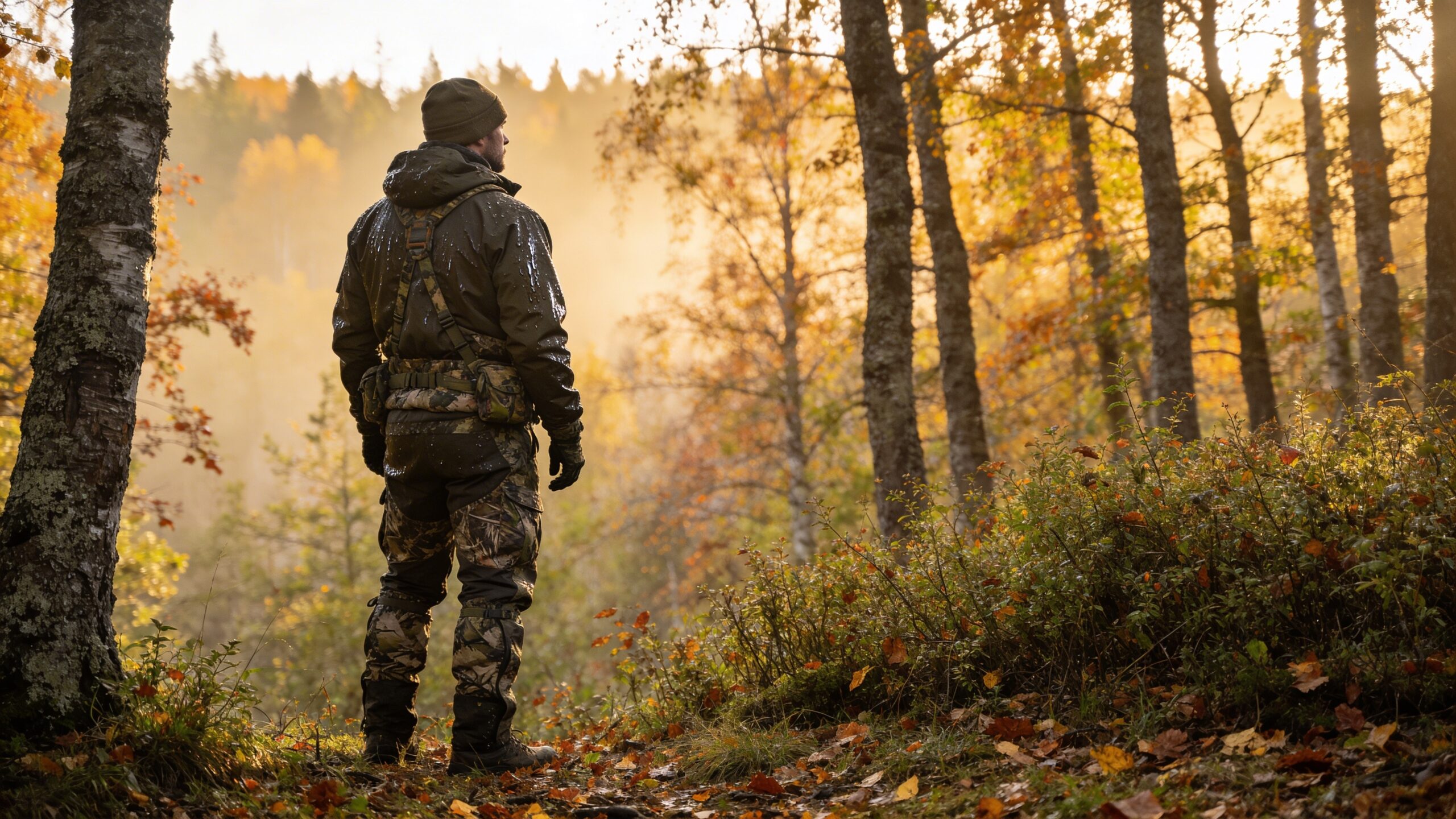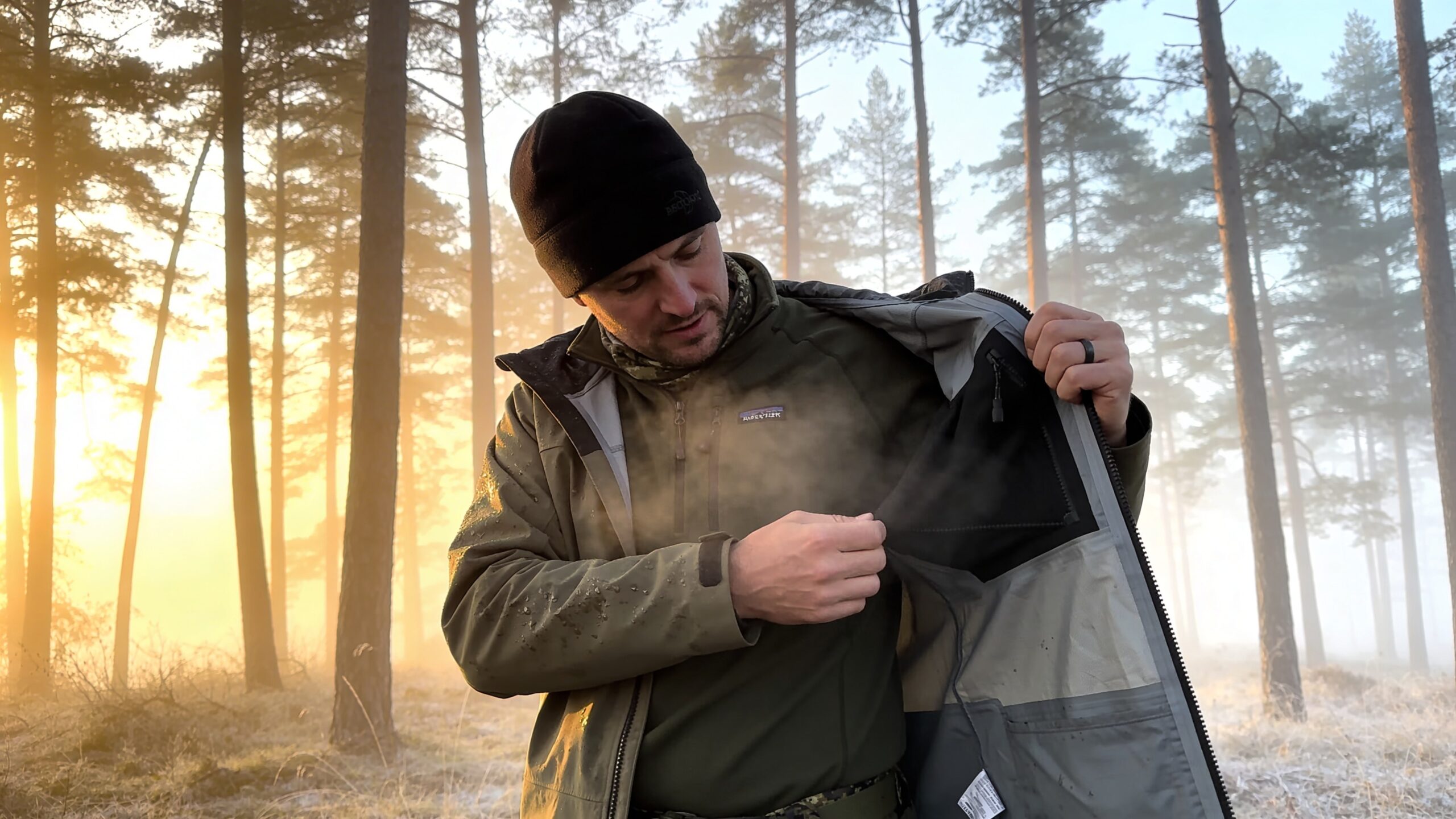
The Foundation of Survival and Stealth
In the wild, comfort is not a luxury—it is a requirement for performance, endurance, and success. Whether you are tracking game through dense timber, waiting motionless in a tree stand, or navigating rugged backcountry terrain, your clothing system becomes your first line of defense against the elements. A well-designed layering system does more than regulate temperature; it manages moisture, reduces noise, and enhances your ability to remain undetected. The concept of layering is rooted in adaptability. Conditions change quickly outdoors. Mornings can begin with biting cold and transition into midday heat, while wind, rain, and snow can arrive without warning. A single heavy jacket cannot handle these fluctuations effectively. Instead, layering allows you to add or remove components as needed, maintaining a stable internal environment that supports both comfort and stealth. Understanding how to build and use a layering system is one of the most valuable skills any hunter or outdoor enthusiast can develop. It is not just about staying warm—it is about staying effective.
The Three-Layer System: A Proven Approach
At its core, a layering system is built around three primary components: the base layer, the mid layer, and the outer shell. Each serves a specific purpose, and together they create a dynamic system capable of adapting to nearly any environment. The base layer sits directly against your skin. Its primary job is moisture management. As your body generates heat, it also produces sweat, even in cold conditions. If that moisture remains trapped, it can quickly lead to chilling once activity slows. A high-quality base layer pulls moisture away from the skin and allows it to evaporate, keeping you dry and comfortable.
The mid layer is responsible for insulation. This layer traps heat generated by your body, creating a buffer against the cold. Depending on conditions, the mid layer can range from lightweight fleece to heavier insulated garments. The key is versatility. You want insulation that can be adjusted based on activity level and temperature.
The outer shell acts as your shield against the environment. It protects against wind, rain, and snow while allowing moisture to escape. A good shell balances protection with breathability, ensuring you stay dry from both external conditions and internal perspiration. Together, these three layers form a system that works in harmony, allowing you to regulate your body temperature while maintaining mobility and stealth.
Moisture Management: The Hidden Key to Warmth
Many people assume that staying warm is simply about adding more insulation. In reality, moisture management plays an even more critical role. Sweat is the enemy of warmth. When moisture accumulates, it reduces the insulating properties of your clothing and accelerates heat loss. This is why the base layer is so important. Materials like merino wool and advanced synthetic fabrics excel at wicking moisture away from the skin. Merino wool, in particular, offers the added benefit of odor resistance and temperature regulation, making it a favorite among hunters who spend extended time in the field.
Managing moisture also means adjusting your layers based on activity. If you are hiking uphill or carrying heavy gear, you will generate heat quickly. Removing or venting layers before you begin sweating is far more effective than trying to dry out afterward. This proactive approach keeps your system working efficiently and prevents discomfort later. In cold environments, staying dry is often the difference between comfort and danger. A well-managed layering system ensures that moisture never becomes a liability.
Insulation: Trapping Heat Without Adding Bulk
The mid layer is where warmth is created and retained. However, not all insulation is equal. The goal is to trap heat without restricting movement or adding unnecessary weight. Fleece is a popular choice for its breathability and lightweight feel. It provides consistent insulation while allowing excess heat to escape during activity. For colder conditions, synthetic insulation offers excellent warmth even when damp, making it a reliable option in unpredictable weather. Down insulation provides exceptional warmth-to-weight ratio, but it loses effectiveness when wet. For this reason, it is best suited for dry, cold environments where moisture exposure is minimal.
The key to effective insulation is layering multiple thinner pieces rather than relying on a single bulky garment. This approach allows for greater flexibility and better temperature control. By adjusting your mid layers, you can fine-tune your warmth without sacrificing mobility or stealth.
Outer Shells: Protection Without Compromise
The outer shell is your barrier against the elements, but it must do more than simply block wind and rain. It must also allow your body to breathe. Without proper ventilation, moisture can become trapped inside, negating the benefits of your base and mid layers.
Modern shell materials are designed to be both waterproof and breathable. They prevent external moisture from entering while allowing internal vapor to escape. Features like pit zips, adjustable cuffs, and ventilation panels further enhance this balance.
In hunting scenarios, noise reduction is equally important. A shell that rustles or swishes can alert game long before you are within range. Soft, quiet fabrics are essential for maintaining stealth, especially in close-range encounters. The best outer shells combine durability, weather resistance, and silence, creating a protective layer that enhances rather than hinders your performance.
Stealth and Camouflage: Blending Into the Environment
A layering system is not just about comfort—it is also about concealment. Each layer contributes to your overall ability to blend into your surroundings. Camouflage patterns, color choices, and fabric textures all play a role in reducing visibility. Different environments require different approaches. Dense forests demand darker, broken patterns that mimic shadows and foliage, while open terrain benefits from lighter tones that match grasses and rocks. Snow-covered landscapes require specialized patterns that eliminate contrast.
Beyond visual concealment, movement and noise are critical factors. Even the best camouflage cannot compensate for sudden motion or loud fabric. A well-designed layering system minimizes these risks, allowing you to move naturally and quietly. Stealth is the result of multiple elements working together. When your clothing system supports both concealment and comfort, you gain a significant advantage in the field.
Adapting to Changing Conditions
One of the greatest strengths of a layering system is its adaptability. Outdoor conditions are rarely static, and your clothing must be able to respond accordingly. In the early morning, you may start with all layers in place to combat the cold. As the day warms, removing the mid layer or opening ventilation points helps prevent overheating. When weather shifts, adding or adjusting layers restores balance.
This constant adjustment is not a sign of inefficiency—it is the system working as intended. By staying aware of your environment and your body’s needs, you can maintain optimal comfort and performance throughout the day.
Preparation also plays a role. Carrying extra layers in your pack ensures you are ready for unexpected changes. A lightweight shell or additional insulation can make a significant difference when conditions deteriorate.
The Balance Between Mobility and Protection
A common mistake is prioritizing warmth at the expense of mobility. Heavy, restrictive clothing can limit your ability to move efficiently and quietly. This not only reduces comfort but also impacts your effectiveness in the field.
A well-designed layering system strikes a balance between protection and freedom of movement. Stretch fabrics, ergonomic designs, and lightweight materials all contribute to this balance. When your clothing moves with you rather than against you, you conserve energy and maintain focus. Mobility is especially important in dynamic hunting scenarios where quick adjustments and precise movements are required. Your clothing should enhance your abilities, not hinder them.
Layering for Different Hunting Styles
Different hunting methods place different demands on your clothing system. A stationary hunter in a tree stand requires maximum insulation to stay warm during long periods of inactivity. In contrast, a spot-and-stalk hunter needs breathable layers that can handle constant movement.
Understanding these differences allows you to tailor your layering system to your specific approach. For stationary hunting, heavier insulation and windproof outer layers are essential. For active hunting, lightweight, breathable layers that can be easily adjusted are more effective.
This customization ensures that your clothing system supports your strategy, rather than forcing you to adapt to your gear.
Building Your Ideal Layering System
Creating an effective layering system requires careful consideration of materials, fit, and function. Each layer should complement the others, forming a cohesive system that works together seamlessly. Fit is particularly important. Layers should be snug enough to trap heat and manage moisture but not so tight that they restrict movement. Proper sizing ensures that each layer performs its intended function without interference.
Investing in quality materials also makes a significant difference. Durable, high-performance fabrics provide better comfort, longevity, and reliability in challenging conditions. Ultimately, the best layering system is one that adapts to your needs, supports your activities, and enhances your experience in the field.
Mastering the Art of Layering
Layering is both a science and an art. It requires knowledge, experience, and a willingness to adapt. By understanding how each layer functions and how they interact, you can create a system that keeps you warm, dry, and undetected in any environment. The true power of layering lies in its flexibility. It allows you to respond to changing conditions, maintain comfort, and stay focused on your objective. Whether you are hunting, hiking, or exploring the outdoors, a well-executed layering system becomes an essential tool for success. Master it, and you gain more than comfort—you gain control over your environment and your performance within it.