Why the Right Hunting Clothing System Matters
A great hunt can be shaped by countless variables, from wind direction and terrain to patience and timing, but few factors influence comfort and field performance more than clothing. The best hunting clothing systems for all seasons do far more than keep you dressed for the weather. They help regulate body temperature, manage sweat, reduce noise, support movement, and improve your ability to stay concealed. When conditions shift from frosty dawns to warm afternoons or from dry trails to cold rain, the right clothing system becomes a piece of equipment just as important as your optics, boots, or pack. Many hunters make the mistake of thinking about clothing as a single garment choice. They choose one jacket, one pair of pants, and hope it all works from the first hour of the day to the last. In reality, hunting comfort is built through a system. A dependable clothing setup is layered, adaptable, and purpose-driven. It allows you to respond to activity level, temperature swings, and changing terrain without sacrificing mobility or stealth. Whether you hunt whitetails from a stand, hike western ridges for elk, or work your way through cold wetlands for waterfowl, the most effective approach is not just more clothing. It is smarter clothing.
Understanding the All-Season Hunting Clothing System
A true all-season hunting clothing system is not a single outfit. It is a modular collection of garments designed to work together throughout the year. In warm weather, it should breathe well, wick sweat, and protect against brush, insects, and sun. In cooler conditions, it should insulate efficiently while staying quiet and flexible. In harsh weather, it needs to shield you from wind, rain, sleet, and snow while still allowing heat and moisture to escape.
This is why layering is the foundation of all-season hunting apparel. When you build a system around base layers, mid layers, outer layers, and accessories, you gain the ability to fine-tune comfort with precision. Instead of committing to a bulky jacket that becomes uncomfortable after a one-mile hike, you can wear lighter components and adjust them as the hunt unfolds. This kind of flexibility matters because the field is rarely predictable. Conditions change by the hour, and your clothing should be ready to change with them.
The best hunting clothing systems also match the style of hunting. A tree stand hunter sitting for long hours in cold air has different needs than a mobile spot-and-stalk hunter constantly climbing, glassing, and covering ground. An all-season system succeeds when it can be adapted not only to temperature, but also to movement, terrain, and time spent stationary.
The Base Layer: Where Performance Begins
Everything starts with the base layer. This is the layer worn next to the skin, and its primary job is moisture control. Even in cold weather, your body produces sweat when you walk, climb, drag gear, or simply overheat beneath too many layers. If that moisture stays trapped against the skin, it can chill you quickly when activity slows. That is why the base layer is arguably the most important component in a complete hunting clothing system.
The best base layers are usually made from merino wool or high-performance synthetic materials. Merino wool is widely respected for its ability to regulate temperature, resist odor, and stay comfortable across a broad range of conditions. It performs well in both cool and moderately warm environments, and it remains a favorite for hunters who spend long hours in the field. Synthetic base layers dry quickly and often excel during high-output hunts where sweat management is critical. Both options have strengths, and many hunters keep both in their gear rotation depending on the season and pace of the hunt. Cotton, by contrast, is the wrong choice for serious hunting conditions. It absorbs moisture, dries slowly, and can quickly turn from comfortable to dangerous in cool temperatures. A good all-season system avoids cotton in favor of technical fabrics that help the body stay dry and stable through changing conditions.
Mid Layers: The Heart of Insulation
If the base layer manages moisture, the mid layer manages warmth. This is the insulating layer that helps retain body heat without locking you into a heavy, immobile setup. Mid layers come in different forms, including lightweight fleece, grid fleece, wool blends, insulated pullovers, and puff jackets. Their role is simple but essential: trap warmth while allowing you to move and breathe.
The best hunting clothing systems for all seasons usually include more than one mid-layer option. Early in the season, a light fleece may be enough for dawn and dusk. In late fall, a heavier insulating piece may be needed over the base layer. In winter, combining multiple mid layers can create a highly efficient warm zone beneath a protective shell. The value of this setup is flexibility. Instead of one oversized garment doing everything poorly, a layered system gives each piece a clear function.
Insulation type matters too. Synthetic insulation performs better in wet or unpredictable weather because it continues to retain warmth even when damp. Down insulation offers excellent warmth-to-weight performance but loses much of its effectiveness when soaked, making it better suited to dry cold conditions. For many hunters, synthetic insulation is the safer all-around option, especially in climates where rain, snow, or heavy humidity are common.
Outer Layers: The Shield Against the Elements
The outer layer is what stands between you and wind, rain, brush, and abrasive terrain. In hunting, this layer must do more than protect. It must also stay quiet, breathable, and functional. That balance can be difficult to achieve, which is why outerwear often becomes the deciding factor between a decent clothing system and a great one.
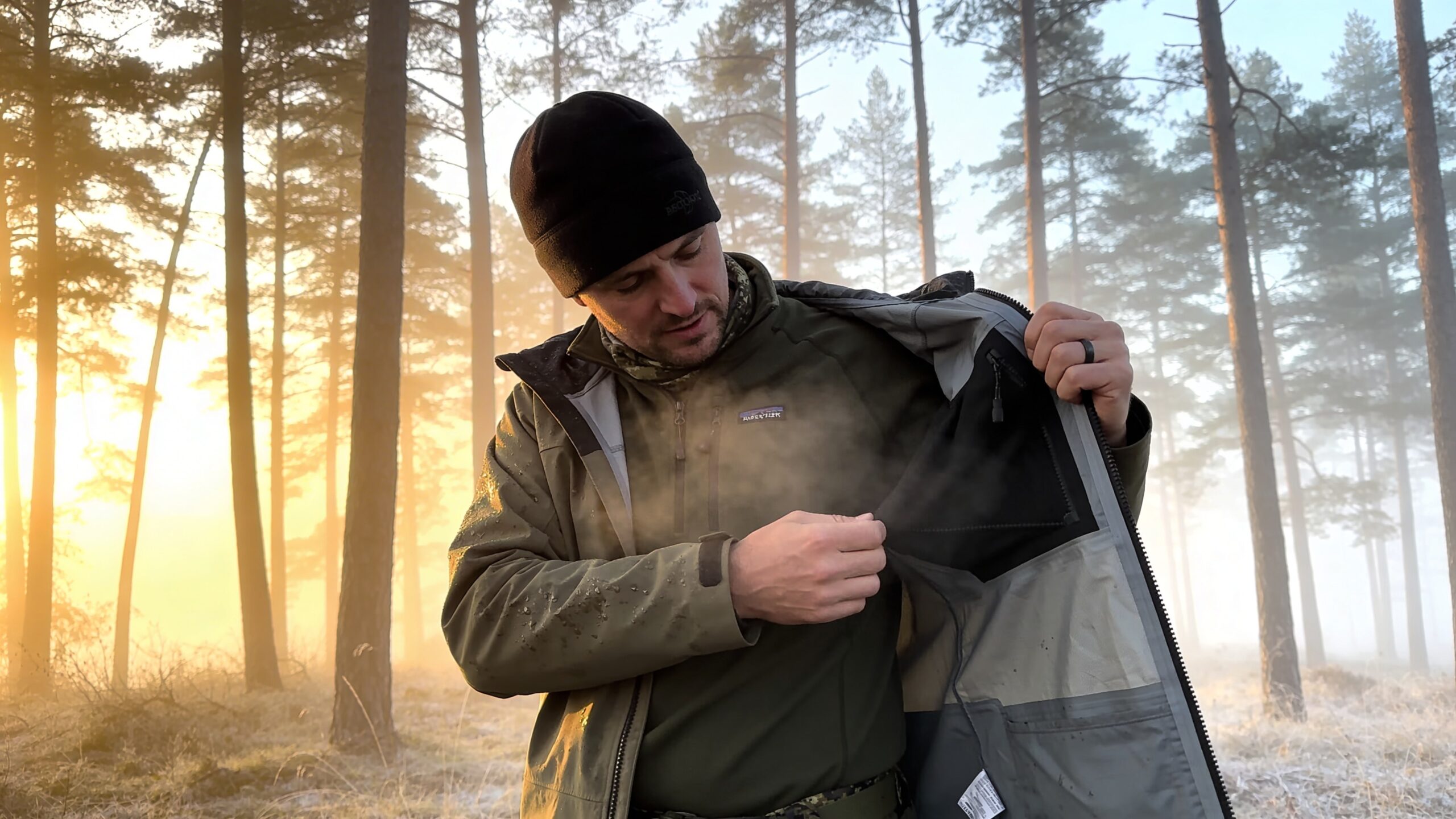
Softshell outer layers are popular in mild to moderately cool weather because they balance weather resistance, stretch, and quiet movement. They are especially useful for active hunts where breathability matters as much as protection. Hard shells, on the other hand, offer better defense against rain, snow, and strong wind. They are often more waterproof but can be noisier depending on the fabric. The best all-season systems often include both a durable softshell option and a packable waterproof shell for serious weather. Outer layers should also consider terrain and hunting style. Dense brush demands abrasion resistance. Tree stand hunting benefits from wind-blocking designs. Wetland hunts require water resistance and durable finishes that stand up to mud and moisture. In every case, the ideal shell is one that protects without becoming stiff, loud, or overly hot.
Hunting Clothing for Early Season Conditions
Early season hunting presents a different challenge than most people expect. The issue is rarely staying warm. More often, it is staying cool, dry, and comfortable while still maintaining concealment. Mornings may begin crisp, but temperatures can rise quickly once the sun comes up, especially during archery season in many regions.
The best early season hunting clothing systems focus on breathability and lightness. A moisture-wicking base layer, lightweight pants, and a breathable outer shirt or soft layer often provide enough comfort without overheating. Ventilated fabrics, stretch materials, and minimal bulk make a major difference when you are moving frequently or hunting in warm conditions. Quiet fabric remains important, especially for bowhunting, where close-range encounters demand stealth.
Insects, sun exposure, and thorny vegetation also become bigger factors in early season. A good warm-weather clothing system provides enough protection to handle those conditions without weighing you down. The goal is controlled comfort, not insulation.
Mid-Season Hunting Clothing Systems
Mid-season is where versatility becomes most valuable. Temperatures can vary widely during the same day, and this is often when layering proves its worth. You may leave the truck in the cold, warm up during the hike, then settle into a glassing point or blind where body heat begins to drop again.
This is the season when a complete hunting clothing system earns its reputation. A breathable base layer paired with a practical fleece or light insulated mid layer gives you room to adapt. A quiet outer layer can handle brush and wind, while a packable rain shell in the backpack adds a safety margin in case the forecast turns. Mid-season systems should feel balanced rather than extreme. Too much insulation causes sweat buildup, while too little leaves you vulnerable when the temperature falls. For many hunters, mid-season gear is the backbone of the year. It is often the most frequently used combination because it handles such a wide range of conditions. This is where buying quality pieces pays off most clearly.
Late-Season and Winter Hunting Clothing
Late-season hunting is where weak clothing systems get exposed. Cold temperatures, wind, moisture, and long periods of stillness can wear down even experienced hunters. This is when insulation, layering discipline, and wind protection become critical.
The best winter hunting clothing systems start with a strong moisture-managing base layer, followed by serious insulation and a protective shell. Heavyweight merino or thermal synthetic layers work well against the skin, while insulated jackets, bibs, or puff layers trap warmth efficiently. Windproof outerwear becomes especially valuable because moving air strips away heat quickly. In snowy or wet conditions, water resistance matters just as much as insulation.
One of the biggest mistakes in late-season hunting is overdressing during movement. If you hike hard while fully bundled, you can sweat heavily and compromise your warmth later. Smart hunters often carry part of their insulation in the pack, then add it once they slow down or settle into position. Late-season success often comes down to managing transitions between movement and stillness.
Staying Undetected Through Fabric, Fit, and Function
Hunting clothing is not only about weather protection. It is also about staying unseen, unheard, and, in many cases, less noticeable through scent and motion. This is where the quality of a clothing system becomes especially important.
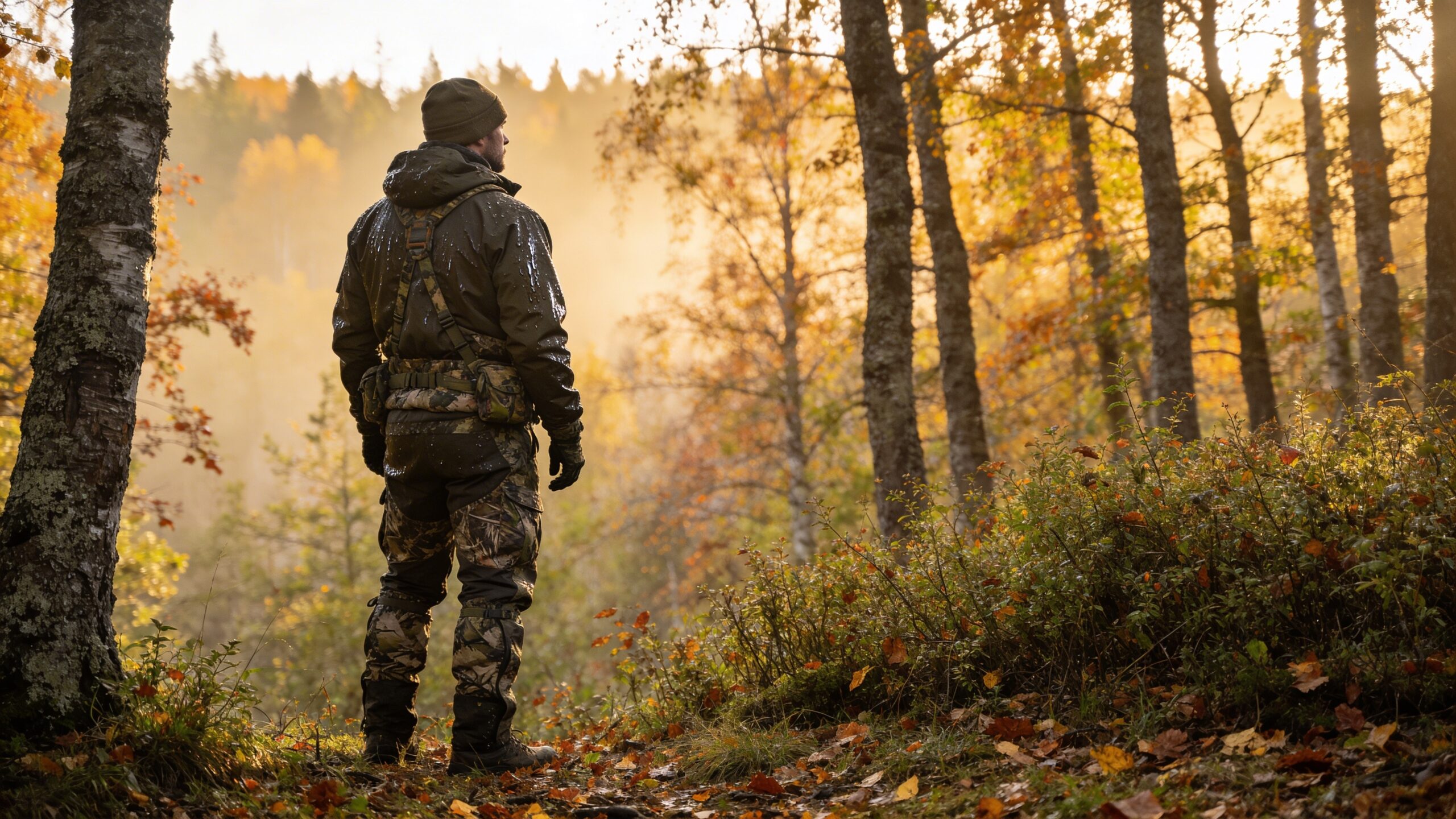
Quiet fabric is essential. Noisy material can ruin close encounters long before the animal ever sees you. Softshell fabrics, brushed exteriors, and well-designed seams tend to perform better than stiff, crinkly garments. Fit matters too. Clothing that is too loose can snag brush, flap in the wind, or create unnecessary movement. Clothing that is too tight can restrict motion and reduce the efficiency of layering. A well-fitted hunting system moves naturally with the body and stays composed in the field. Camouflage can help, but pattern alone does not guarantee success. Matching color tone, reducing shine, and minimizing movement are often more important than chasing the latest print. The best hunting clothing systems support concealment through total performance, not just appearance.
Choosing the Best Materials for Year-Round Use
Material selection can define how well your clothing system performs across seasons. Merino wool remains one of the most versatile materials because it manages moisture, resists odor, and performs well across a wide temperature range. Synthetic fabrics offer fast drying and durability, making them excellent for high-output hunts and wet conditions. Blended materials often attempt to deliver the best of both worlds.
For outer layers, nylon and polyester blends dominate because they provide durability, weather resistance, and room for technical finishes. Stretch panels improve mobility, while brushed finishes help reduce noise. Waterproof membranes can dramatically improve protection, but they must be balanced with breathability to prevent internal moisture buildup.
The best all-season systems usually combine multiple materials rather than relying on one fabric for every job. This is what turns separate pieces into a true system. Each material contributes to a specific purpose, and together they create comfort that lasts from opening day to the coldest stretch of the season.
Building a Smart Hunting Clothing System on Any Budget
A premium hunting clothing system can be impressive, but effectiveness is not reserved only for the most expensive setups. Hunters on a budget can still build excellent all-season systems by focusing on function first. Start with a quality base layer, because moisture control affects every season. Add a dependable mid layer for insulation and a protective outer layer that matches your local weather. Accessories such as gloves, hats, neck gaiters, and socks also matter more than many people realize.
The smartest approach is to buy in stages. Build the foundation first, then upgrade with purpose. Rather than purchasing flashy pieces with limited usefulness, invest in garments that can be worn across multiple conditions. Neutral earth tones, durable fabrics, and practical layering pieces often deliver better value than trend-driven options. The best hunting clothing system is not always the most expensive. It is the one that fits your climate, your hunting style, and your ability to adapt in the field.
Final Thoughts on the Best Hunting Clothing Systems for All Seasons
A complete guide to hunting clothing systems leads to one clear conclusion: the best setup is not a single outfit, but a flexible system designed around performance. Great hunting apparel keeps you warm when temperatures drop, cool when the day heats up, dry when the weather turns, and comfortable when hours in the field begin to test your endurance. It also helps you move better, stay quieter, and remain more focused on the hunt itself.
All-season hunting success begins with understanding how clothing works together. Base layers control moisture. Mid layers preserve warmth. Outer layers guard against wind, rain, and abrasion. Accessories fine-tune the whole system. When those pieces are chosen wisely, they transform clothing from a simple necessity into a reliable advantage.
Whether you hunt in early-season fields, mountain timber, wet marshes, or deep winter woods, the right clothing system makes every mile more manageable and every sit more productive. In hunting, skill and patience matter. But when the weather turns and the day grows long, the best hunting clothing systems for all seasons can be the difference between enduring the field and truly owning it.