Conservation Participation Begins When the Hunt Is Over
A hunter checks a harvested animal, submits a requested sample, and reports the day’s effort even though the outing produced few sightings. None of those actions looks like a dramatic species rescue, yet each can contribute to decisions about wildlife and habitat. Hunters participate in conservation through several different channels: funding, regulated harvest, monitoring, land stewardship, volunteer work, and public involvement. Their value depends on how well those activities serve a defined biological purpose. Buying a license does not make every later choice beneficial, and spending time outdoors does not automatically produce reliable data. Understanding the practical roles helps a hunter become a useful partner in conservation while recognizing the expertise, responsibilities, and contributions of the wider public.
Start With the Objective of a Wildlife Program
Conservation can mean preventing a decline, restoring a missing population, maintaining habitat, or managing an abundant species that is damaging its environment. These goals require different actions. A harvest decision appropriate for an abundant deer herd may be inappropriate for a population still establishing itself. Before offering help, ask what the program is trying to change and how it will judge the result.
This keeps participation tied to outcomes rather than identity. A hunter can contribute usefully to a project benefiting a species they never pursue. Likewise, a favorite hunting practice may need adjustment when evidence shows a different management priority. Cooperation becomes easier when everyone can describe the shared objective in concrete terms.
A useful conversation with a project coordinator begins with the work already planned. Explain your skills, available time, access, and any limitations, then ask where those resources fit. This avoids creating a volunteer activity simply because it would be enjoyable or visible. It also allows the coordinator to distinguish an immediate need from a task that requires specialist training. Being willing to assist with preparation, records, or maintenance can make someone a more effective partner than insisting on the most dramatic field assignment.
Keep personal objectives visible as well. Wanting a healthy game population or improved access is a legitimate interest, but it should not be presented as the only public benefit. A habitat project may also protect water, support other wildlife, and serve people who never hunt. Discussing those outcomes openly helps partners understand where their interests overlap and where a decision requires compromise. That clarity can sustain cooperation through years when wildlife conditions or recreational opportunities disappoint.
Recognize Funding as a Foundation
Licenses and equipment-related revenue help support wildlife management, but the underlying system involves several partners. The U.S. Fish and Wildlife Service’s Wildlife Restoration Program directs grant funding to eligible state and territorial agencies. Its official description identifies support for habitat work, research, access, hunter education, and other eligible activities. Manufacturers’ taxes on specified firearms, ammunition, and archery equipment contribute to this funding stream. Hunters are important participants in that system alongside recreational shooters, industry, agencies, and other sources of conservation support.
Turn a Required Report Into Useful Information
Harvest reports can help agencies understand the number, distribution, and composition of animals taken. Their usefulness depends on timely, accurate participation under the relevant reporting system. A hunter who estimates carelessly, enters the wrong location, or leaves a report unfinished can weaken the information managers receive. The apparently routine administrative step is part of the conservation contribution.
Record requested details while they are still clear. Keep harvest date distinct from reporting date, identify the correct management unit, and follow the agency’s instructions for sex, age class, or other characteristics. Do not invent a value because a form is inconvenient. Ask the responsible agency how to handle uncertainty or a genuine mistake.
Reporting systems vary among species and jurisdictions, and their requirements can change. Read the current instructions rather than relying on a partner’s experience from another state. A completed tag, a telephone report, and a biological sample may serve different purposes. Treat each requested step as its own obligation.
Provide Observations That Scientists Can Interpret
Hunters spend time in places and seasons that can be difficult for researchers to cover. Their observations may contribute to agency surveys or other structured monitoring projects. Florida’s Fish and Wildlife Conservation Commission describes citizen science as collaboration that expands its ability to study and conserve wildlife. The contribution becomes stronger when participants follow a consistent protocol instead of submitting only unusual encounters.
Effort is often as important as the sighting itself. Four deer seen during one hour and four deer seen during ten hours do not describe the same observation rate. Record the time, area, conditions, and categories the project requests, including zero observations when the protocol calls for them. Consistency allows analysts to account for differences that an exciting photograph cannot resolve.
Keep Disease Surveillance Within Agency Instructions
Hunters may be asked to submit samples, bring animals to check stations, or follow carcass-handling restrictions. These activities can support surveillance and help limit the movement of material that agencies regulate. Requirements differ by location and disease concern, so use current official instructions for the place where the animal was taken and where it will be transported. Do not assume that a healthy-looking animal removes the need to follow a sampling rule. Agency wildlife-health staff should guide questions about unusual behavior, sick animals, and requested testing.
Connect Regulated Harvest to Habitat Conditions
Harvest can be one management tool for adjusting an abundant game population. Its effect depends on which animals are taken, how many are removed, and what is happening across the larger landscape. A season is therefore more than permission to pursue a personal preference. It is part of a management framework that must account for reproduction, survival, public objectives, and available habitat.
On private land, participation may include cooperating with neighbors and a wildlife professional on appropriate harvest goals. A property owner who improves forage while ignoring excessive browsing may see limited benefits. Another owner may need restraint because the local population is low. Similar-looking properties can require different decisions.
It is important to avoid claiming that all hunting automatically restores ecological balance. Population management is specific to species, place, and circumstance. The useful question is whether a particular harvest strategy supports the documented management goal. Hunters strengthen their role by remaining open to revisions when monitoring indicates that the original approach is inadequate.
Improve Habitat With a Defined Maintenance Plan
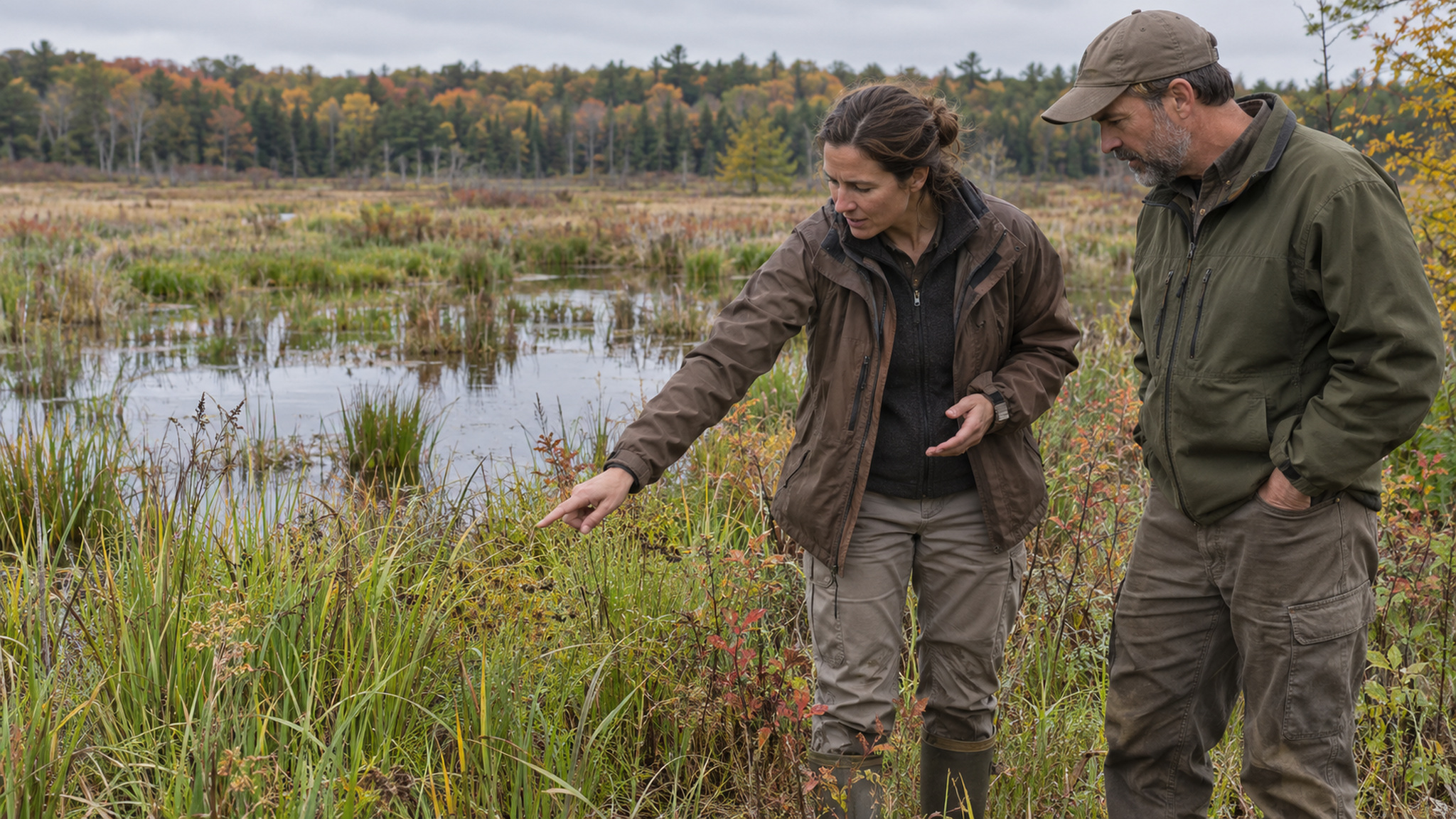
Volunteer habitat work can protect resources shared by game and nongame wildlife. Restoring native vegetation, maintaining appropriate openings, addressing invasive plants, and helping with approved wetland projects are possible contributions. The right task depends on the site and the organization leading the work. Enthusiasm is most useful when matched with training, appropriate equipment, and a plan for continuing care.
Ask what success should look like a year or several years after the workday. Removing plants without follow-up may allow the same problem to return, while poorly timed mowing can damage cover that a project intended to conserve. A maintenance calendar and monitoring responsibility make volunteer labor more durable. They also help organizers direct limited effort toward the tasks that matter most.
Protect the Relationships That Make Stewardship Possible
Landowners, neighboring residents, agency staff, hunters, and other visitors may depend on the same landscape for different reasons. Respecting gates, access agreements, livestock, seasonal closures, and property boundaries keeps cooperation possible. Reporting damage and helping solve practical access problems can be more valuable than making broad conservation claims. A trustworthy participant leaves the project easier to manage after they leave. That reliability matters especially where habitat connections or wildlife movements cross several ownerships.
Support Recovery Without Taking Over Professional Tasks
Species recovery may require specialized capture, transport, veterinary work, genetic evaluation, or controlled releases. Those tasks belong to authorized programs with the relevant expertise and permits. Hunters can support such work through approved fundraising, habitat partnerships, logistics, or volunteer roles. Personal interest does not create authority to move wildlife or improvise a release.
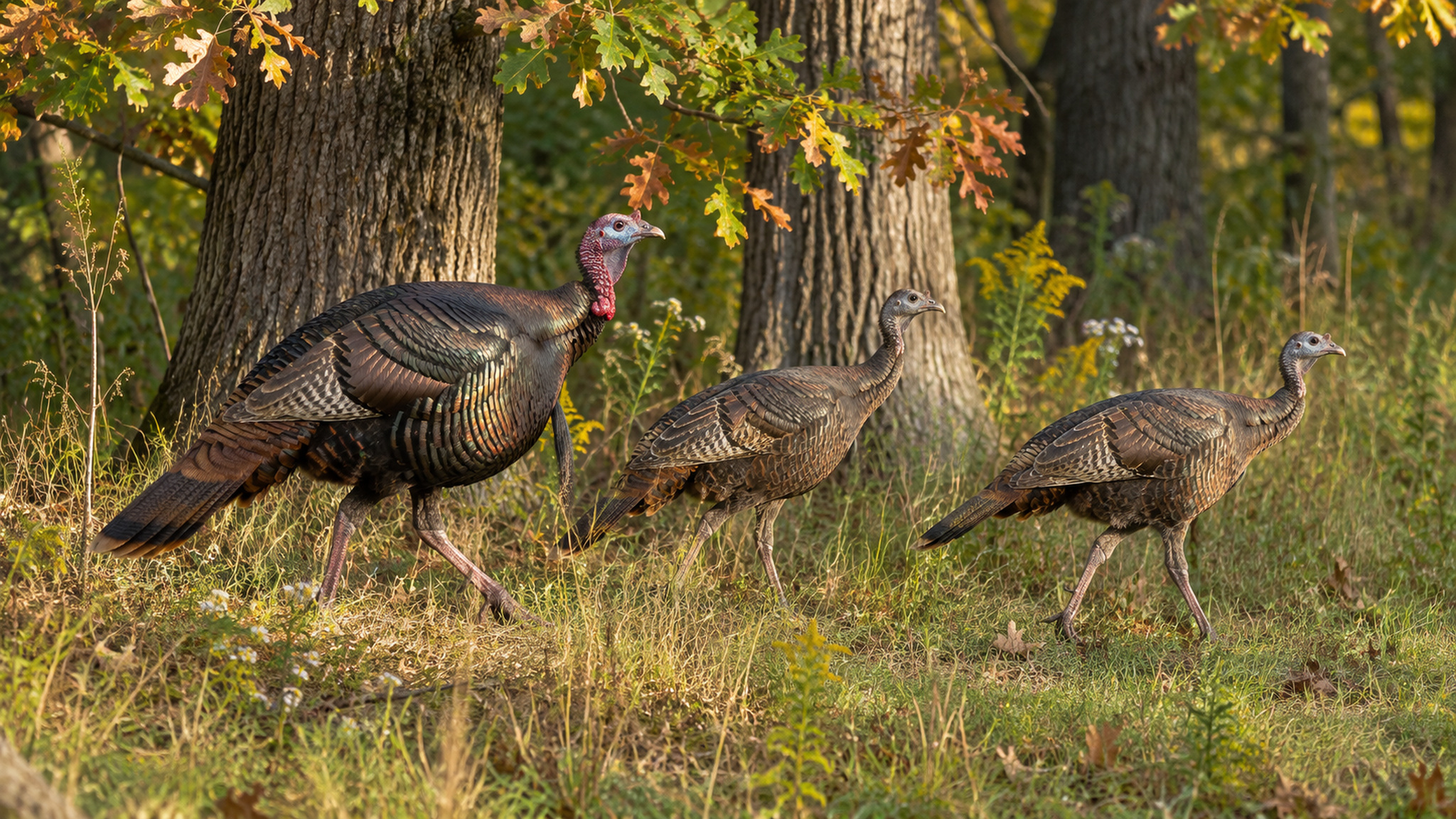
The wild turkey comeback illustrates the value of matching a technique to the animal’s needs. Successful wild-bird translocation differed from earlier disappointing pen-raised releases. That history gives supporters a reason to ask thoughtful questions about a project’s biological basis. It also shows why professional evaluation is essential before a highly visible action is celebrated as a recovery.
Recovery benefits should be assessed beyond hunting opportunity. A returning species can restore ecological interactions and enrich wildlife viewing, cultural connections, and public enjoyment. Supporting those broader outcomes creates stronger partnerships. It recognizes that wildlife stewardship is a public responsibility shared among people with many interests.
Participate in Decisions With Specific Evidence
Public meetings, advisory processes, and comment opportunities allow hunters to contribute knowledge and express preferences. The most useful comments distinguish observations from conclusions and explain the relevant place and time. Saying that a familiar access route closed is more actionable than claiming that all access has disappeared. A dated account of habitat change is more informative than an unsupported assumption about an agency’s motives.
Managers must consider evidence and interests that a single participant may not see. Read the stated objective and available supporting information before commenting. It is reasonable to question an approach, but a proposed alternative should address the same biological and practical constraints. Clear disagreement can improve a decision when it remains focused on the actual problem.
Evaluate Organizations by the Work They Deliver
A conservation label does not tell a donor whether a project has a sound plan. Look for a defined objective, a credible partnership, an explanation of how funds or labor will be used, and a way to report results. Habitat acres treated describe activity, while later vegetation condition may describe effectiveness. Both can be useful when their meanings are clear. Support is better directed when supporters ask how the work will be maintained and what will happen if the first approach fails.
Make Conservation a Habit of Accurate Follow-Through
A practical annual commitment can be modest and specific. Complete every requested report carefully, volunteer for one project that fits your skills, learn the habitat issues affecting a familiar landscape, and participate in a monitoring program if you can meet its protocol. Reliability matters more than the number of organizations listed beside a name. A small commitment fulfilled consistently is easier for partners to use than a broad promise that disappears.
Keep a record of what you contributed and what happened afterward. That record might include dates worked, survey effort, habitat treatments, or follow-up responsibilities. It should also identify things you could not determine. Honest limits help partners combine your information with other evidence.
The strongest conservation role is therefore active, informed, and accountable. Hunters bring money, time, practical skills, and repeated contact with wildlife landscapes. Those resources achieve more when combined with agency science, landowner cooperation, and the work of other conservation participants. The result is a contribution that can be evaluated through healthier habitat, better information, and management decisions that respond to real conditions.
Choose a Contribution That Fits Your Capacity
Not every useful role requires heavy equipment, extensive travel, or a large donation. A person with limited field time may be able to assist with an organized event, help maintain project records, or explain reporting procedures to a new hunter. Someone with access to land may contribute a place for an approved survey or a habitat demonstration. The organizing partner should define the task so that it meets an actual need.
Consider whether you can sustain the commitment through the unglamorous parts. Survey work may require repeated visits in poor conditions, and habitat projects often need attention long after the initial group photograph. Ask for training before accepting a task that affects safety, data quality, or wildlife. Conservation partnerships function better when volunteers describe their limits early and complete the work they agreed to do.