Understanding Public Land Access
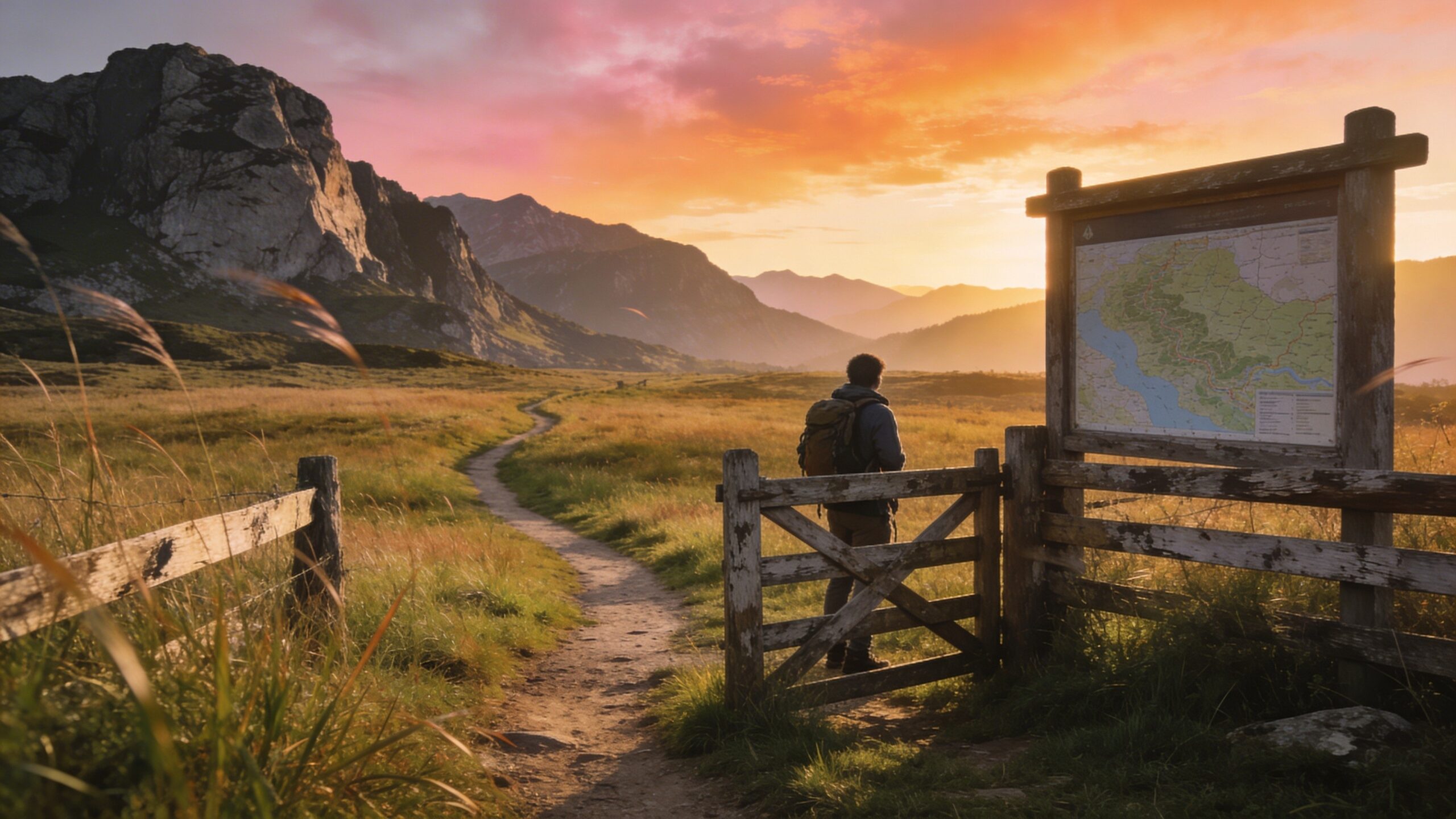
Public land access is the ability for people to legally reach and use lands held for public benefit. That sounds simple on the surface, but it carries enormous meaning. It affects whether a family can reach a trail for a weekend hike, whether an angler can get to a riverbank, whether hunters can enter legal terrain, and whether everyday people can experience open landscapes without needing to own private acreage. Public land access is not just about land itself. It is about entry, routes, rights, stewardship, and the shared idea that some places should remain open to the public. In practical terms, public land access includes roads, trailheads, easements, navigable routes, parking areas, gates, policy rules, and legal frameworks that determine who can enter and how. A piece of public land may exist on a map, but if it is surrounded by private property or restricted by unclear boundaries, it may be difficult or impossible for the average person to use. That gap between ownership and actual access is one of the biggest reasons this topic matters so much today.
Why the Topic Feels Bigger in 2026
Public land access matters more than ever because demand for outdoor space is rising while clear, reliable access is becoming harder to take for granted. More people now look to public lands for hiking, camping, wildlife watching, fishing, photography, education, solitude, and simple relief from busy urban life. At the same time, development pressures, land fragmentation, crowding, policy disputes, and changing recreation habits have made access a more urgent conversation.
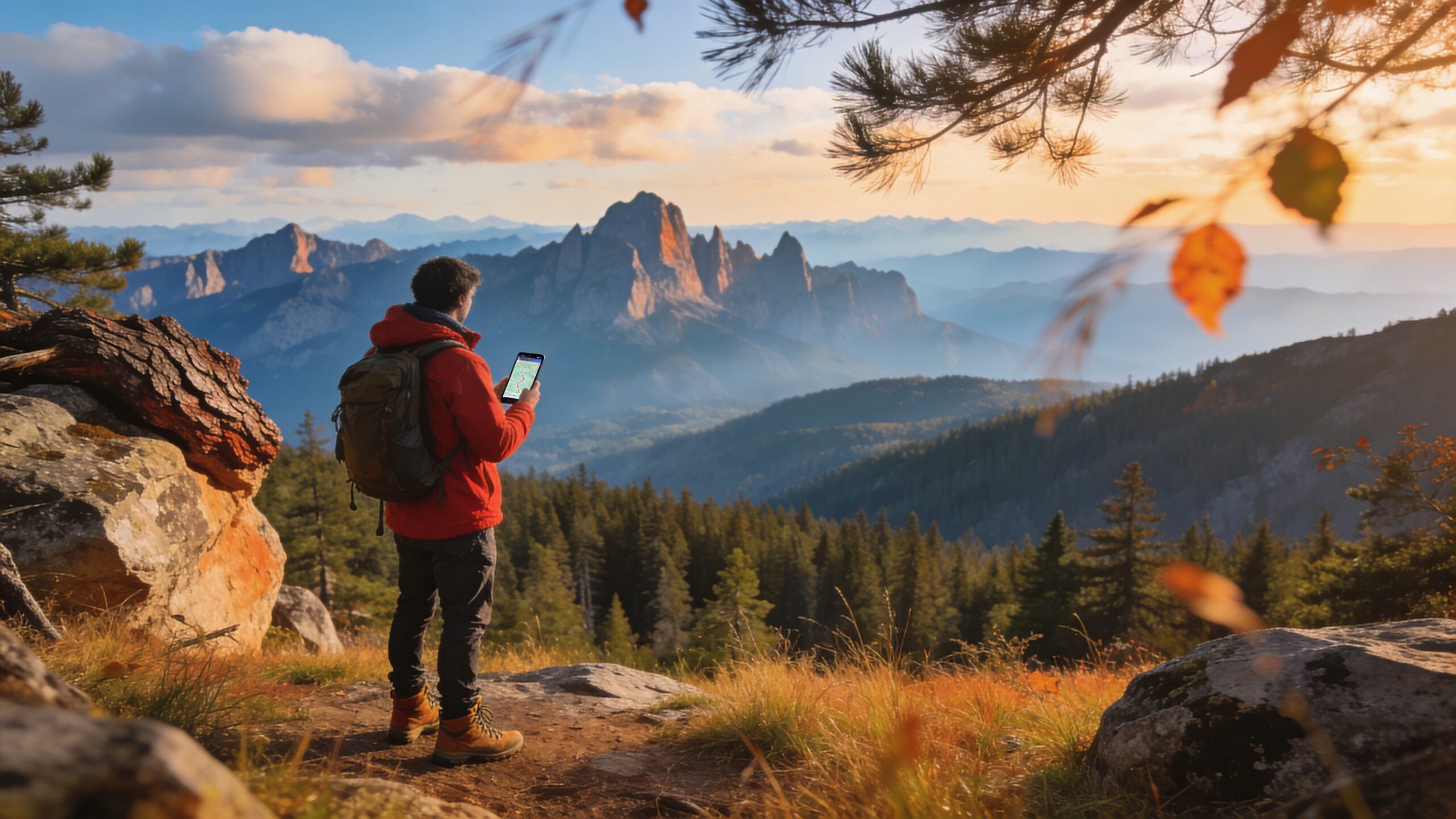
In 2026, people are also more aware of land ownership boundaries than in the past. Digital maps, satellite imagery, GPS tools, and mobile apps have made the landscape easier to study, but they have also exposed how complicated access really is. A parcel may be public, but the route to it may cross private land. A road may appear open, but seasonal rules may limit use. A trail may be well known online, yet poorly understood in legal terms. The result is a new era in which public land access feels both more visible and more contested.
Public Land Is More Than Parks
When many people hear the phrase public land, they imagine iconic parks, scenic overlooks, or campgrounds with signs and visitor centers. In reality, public land is a much broader world. It includes national forests, wildlife management areas, desert ranges, state forests, river corridors, grasslands, conservation lands, municipal preserves, and many other categories that serve different purposes. Some are heavily visited and easy to reach. Others are remote, lightly developed, and known mostly to locals or experienced users. That broader view matters because access opportunities often exist outside the most famous destinations. A person searching only for large national parks may miss smaller public tracts close to home. Likewise, someone interested in habitat conservation may discover that public land plays a vital role far beyond recreation. Public land access opens the door not just to leisure, but to a much wider understanding of how land is managed for public good.
Access Is Different From Ownership
One of the most important ideas in this conversation is that public ownership does not always guarantee public access. This distinction surprises many people. Land may belong to a public agency, but physical entry can still be limited by geography, surrounding private parcels, seasonal closures, habitat protections, or safety rules. That is why access is such a central issue. The question is not only who owns the land, but whether people can actually get there in a lawful and practical way.
This difference shapes many of the most heated public land debates. It explains why outdoor users care about easements, road maintenance, boundary marking, and legal crossings. It also explains why access projects can transform an area without changing ownership at all. A new trailhead, a reopened road, or a negotiated route across private land can suddenly make a large public tract usable again. In that sense, access is the bridge that turns public ownership into public reality.
Why Access Matters for Everyday Recreation
For millions of people, public land access is the foundation of outdoor recreation. It makes spontaneous adventure possible. It gives people a place to hike after work, bike on weekends, paddle quiet waters, camp under dark skies, or introduce children to nature without buying private land or expensive memberships. It democratizes outdoor experience in a way few other systems can. That matters because access influences not only who recreates, but how often they do it. When public land is easy to reach and clearly understood, more people feel confident exploring it. When access is confusing or limited, participation narrows. Outdoor culture becomes less inclusive, less frequent, and less connected to ordinary life. Public land access keeps recreation from becoming something reserved only for those with resources, local connections, or specialized knowledge.
Why It Matters for Hunting and Fishing
Few groups understand the importance of access more deeply than hunters and anglers. For them, public land and water access are not abstract policy issues. They shape real opportunities every season. An excellent habitat area means little if it cannot be reached legally. A productive river corridor matters less if entry points are sparse or crowded. Public access determines whether outdoor traditions remain practical for ordinary people.
This is one reason public land access generates such strong interest across rural and urban communities alike. It helps preserve long-standing outdoor practices while also introducing new generations to them. When access shrinks, participation can shrink with it. When access improves, entire communities may reconnect with landscapes, wildlife, and traditions that define regional identity.
Why It Matters for Conservation
Public land access and conservation are deeply linked. At first glance, some people assume access and protection are opposing forces, but the relationship is more nuanced. Responsible access creates public connection, and public connection often leads to stronger conservation support. People tend to defend what they can experience. Trails, riverbanks, forests, and open habitats become more than lines on a planning document when they are part of lived memory. At the same time, access must be managed carefully. Unplanned use can damage habitat, increase erosion, disturb wildlife, and strain fragile ecosystems. That is why modern land management focuses on balancing entry with stewardship. The goal is not unlimited access without structure. The goal is meaningful access that allows people in while protecting the ecological value that made the land worth preserving in the first place.
Why Access Matters for Communities
Public land access also has a strong community dimension. Nearby public lands contribute to quality of life, tourism, education, and local identity. They provide places where people gather, exercise, learn, and reset. For rural communities, accessible public lands may support guiding, lodging, food service, gear shops, and seasonal travel. For suburban and urban communities, they may provide rare open space and a crucial counterbalance to dense development.
Just as important, public land access can shape whether people feel that the outdoors belongs to them. If access points are hard to find, concentrated in certain regions, or understood only by insiders, many people will feel excluded. If access is visible, welcoming, and well communicated, a broader public can see public land as part of everyday life rather than a distant or intimidating concept.
The Growing Pressure on Access
Why does public land access feel more urgent now? One reason is pressure. Population growth, development, land subdivision, road changes, and increased recreation demand all place strain on the system. Areas that once felt open and lightly used may now see crowding, conflict, or restricted routes. In some regions, parcels of public land have effectively become isolated behind private ownership patterns that make entry more complex than it looks on a map. Social media and digital discovery tools have also changed usage patterns. Beautiful, lesser-known areas can become heavily visited almost overnight. That visibility can help people discover new places, but it can also intensify parking issues, trail erosion, habitat stress, and management challenges. Public land access matters more than ever partly because modern attention moves fast, and access systems must now handle more people, more information, and more pressure than before.
Technology Has Changed the Conversation
Modern technology has transformed how people think about public land. Today, land ownership layers, GPS tracking, topographic tools, and satellite views make it easier to identify public parcels and evaluate routes. This has empowered ordinary users who once relied mostly on printed maps, local advice, or trial and error. It has also made people more aware of access barriers that used to remain hidden.
Yet technology has not solved everything. A map can show a parcel, but it cannot always simplify the legal realities around it. Apps can help users avoid trespassing, but only if the underlying data is understood correctly. Technology has made public land access more visible, more searchable, and more discussed. It has not removed the need for judgment, preparation, and respect for the land and its rules.
Access and Responsibility Go Together
Public land access is not only a right or a privilege. It is also a responsibility. Every user shapes the future of access through behavior. Respect for boundaries, Leave No Trace habits, attention to closures, and courtesy toward other users all affect how land is experienced and managed. Poor behavior can lead to damage, conflict, and stronger restrictions. Good behavior builds trust and helps protect long-term opportunities. This is one of the reasons access matters so much right now. As more people use public lands, the culture around that use becomes increasingly important. Access works best when freedom is matched by care. The public part of public land depends not just on legal frameworks, but on shared standards of stewardship.
Why It Matters for the Future
Public land access matters more than ever because it sits at the intersection of freedom, conservation, recreation, and civic identity. It raises questions about who gets to experience open space, how landscapes are shared, and what public ownership really means in practice. In a time when many people feel increasingly disconnected from nature, public access provides a pathway back to direct, meaningful contact with land.
Looking ahead, the importance of access is likely to grow rather than fade. More people want outdoor experiences. More communities recognize the health and economic value of nearby open space. More land conversations now include habitat, climate resilience, wildlife movement, and recreation management. In all of those areas, access remains central. Without it, public land becomes less public in any meaningful sense.
Final Thoughts
Public land access is about much more than gates, trails, and parking lots. It is about whether shared landscapes remain truly usable by the public. It is about whether families can explore, whether traditions can continue, whether conservation can gain support, and whether future generations will inherit not just public land on paper, but real access to it in practice. That is why public land access matters more than ever. It is a defining issue for outdoor life, environmental stewardship, and public opportunity in 2026. The more clearly people understand it, the better equipped they are to protect it, improve it, and make use of it with respect. Public land is one of the great shared resources of modern life. Access is what makes that promise real.