What Makes a State Great for Big Game Hunting
The best states for big game hunting are not always the states with the most famous trophy photos. A truly strong hunting state gives hunters a workable mix of opportunity, habitat, tag access, public land, game diversity, and realistic trip planning. Some states shine because a resident can hunt whitetails every fall. Others draw attention because they offer elk, mule deer, pronghorn, bear, sheep, goats, or moose across dramatic country. The right choice depends on what you want from the hunt: a first big game season, a public-land challenge, a once-in-a-decade tag, or a repeatable annual trip.
A: Colorado is often a practical starting point for elk because opportunity, access, and public land are widely available.
A: Wyoming is a standout, with other western states offering good hunts depending on unit access and tag availability.
A: Not necessarily. A famous state may have difficult tags, costly access, or pressure that makes another state better for your goals.
A: A closer, repeatable hunt may teach more than an expensive trip where every mistake is magnified.
A: Many western and premium whitetail hunts require research months or years ahead because draws and points matter.
A: Access. A state can have excellent animals, but the hunt only works if you can legally and realistically reach them.
The Best State Depends on the Species
Big game hunting in the United States is too varied for one simple ranking. A hunter who wants elk opportunity will evaluate states differently than a hunter chasing Midwest whitetails or planning a first pronghorn trip. Species distribution, tag systems, season timing, and public access all change the answer.
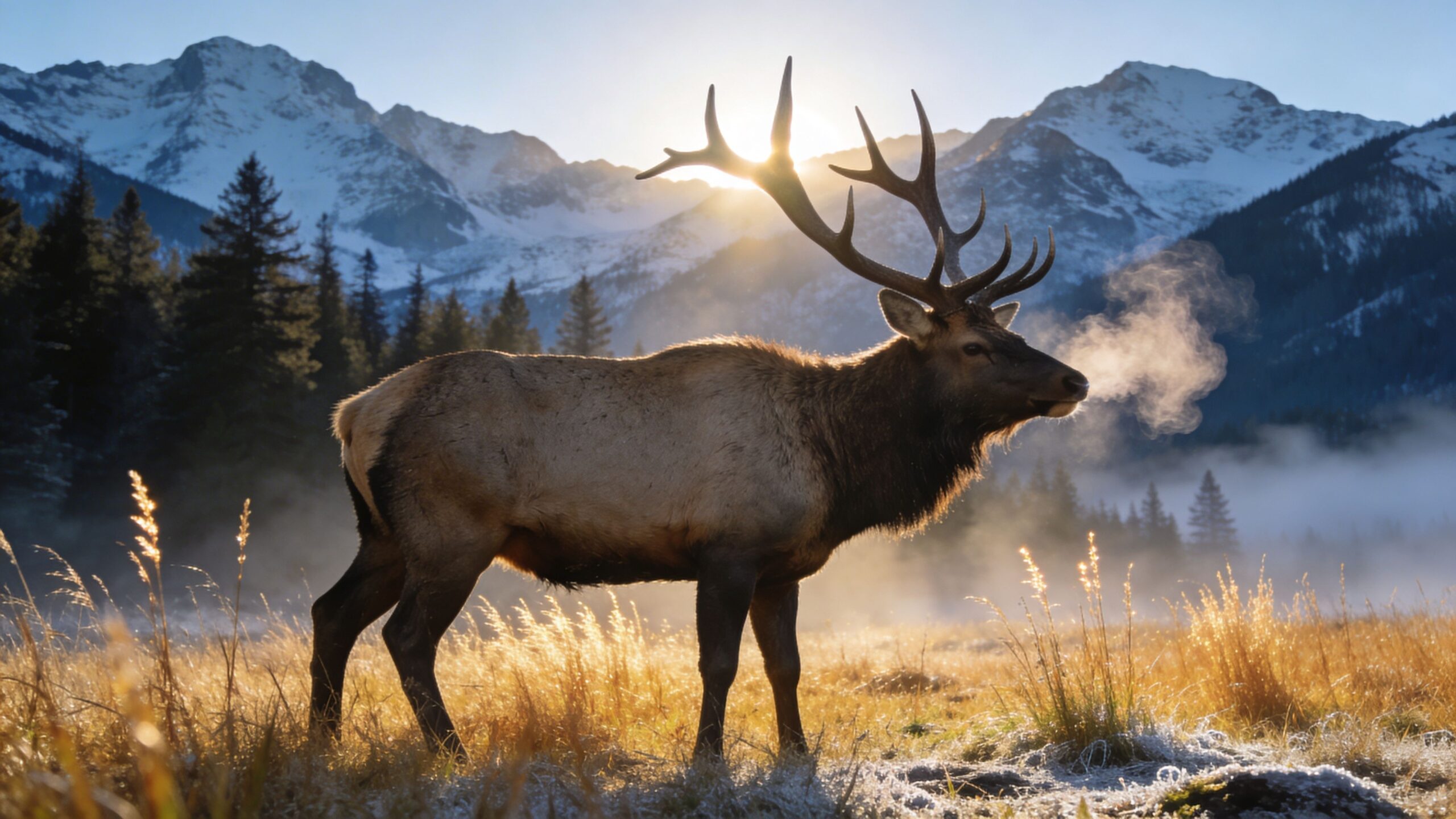
For elk, western states dominate the conversation because that is where habitat and herd numbers support meaningful opportunity. Colorado, Montana, Idaho, Wyoming, New Mexico, Arizona, Utah, Oregon, and Washington all have elk hunting, but each state comes with its own balance of access, draw odds, terrain, and hunt quality. A state with easier tags may also bring heavier pressure. A state with exceptional bulls may require years of waiting.
For whitetails, the map widens. Midwest agricultural states, parts of the South, the Great Plains, the Northeast, and Texas all offer deer hunting, but the style changes dramatically. The best state for one hunter may be the place with high odds of filling a freezer, while another hunter may accept lower odds for a chance at an older buck.
A realistic state comparison also separates resident value from nonresident value. A state may be outstanding for people who live there because tags are affordable, seasons are familiar, and scouting can happen all year. That same state may be expensive, difficult to draw, or hard to learn for a visitor with one week of vacation. The best choice depends on which side of that line you stand on.
Hunters should also decide whether they want a one-time adventure or a repeatable system. A hard-to-draw premium elk tag may be worth years of patience, but it does not replace an annual hunt that builds skill. Many successful hunters keep both plans alive: one practical destination they can hunt often and one dream application strategy that may eventually pay off.
Public Land and Access Are Non-Negotiable
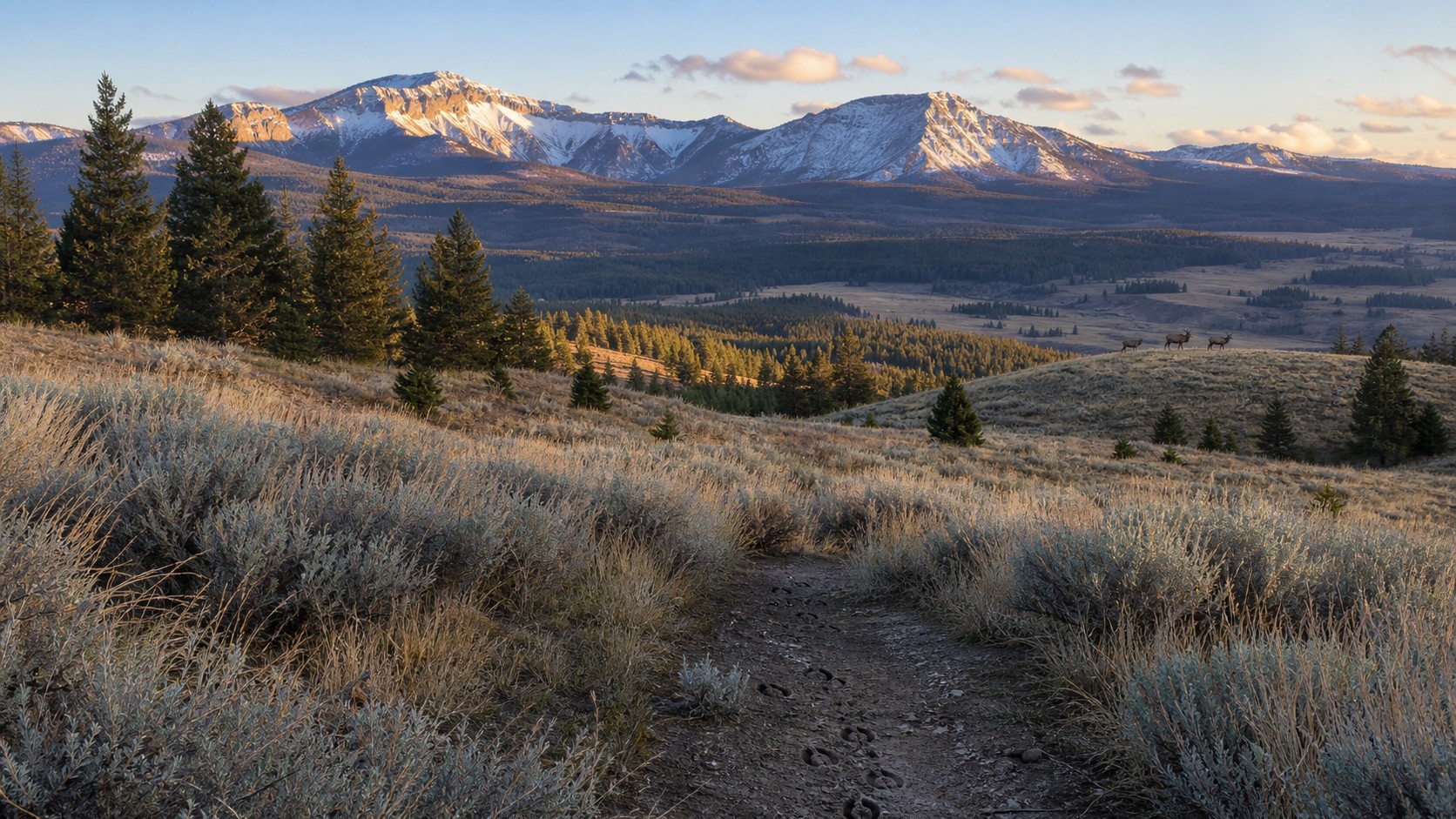
A state with abundant game can still be frustrating if access is locked up. Public-land acreage, walk-in programs, block management, wildlife areas, national forests, state lands, and access easements deserve careful study. The raw number of public acres is useful, but it does not tell the whole story. Some public land is rugged, crowded, landlocked, or far from the species you want to hunt.
Western hunters often focus on public-land maps because large blocks of federal and state ground make do-it-yourself hunting possible. In whitetail states, public parcels may be smaller and more pressured, but overlooked access can still produce good hunts. The best hunters compare access with pressure, not access alone.
Before choosing a state, study how you will actually enter the ground, where you can park, whether corner crossing is legal, how private inholdings affect movement, and what retrieval rules apply. These details are less glamorous than trophy potential, but they decide whether a trip is smooth or miserable.
Access programs can be as important as national forests. Some states offer walk-in areas, block management, wildlife management areas, cooperative private access, or timber company permits that open ground a map viewer might miss. These programs change over time, so hunters should verify current boundaries and rules instead of relying on old forum posts or outdated waypoints.
Crowding deserves honest attention. A public parcel with excellent habitat may become poor hunting if every road, ridge, and glassing knob is obvious. Sometimes a less famous unit with awkward access, longer hikes, or modest trophy reputation offers a better actual hunt. The state is only the first filter; pressure patterns decide the experience inside it.
Access quality also changes during the season. A road that is easy in September may be impassable after snow, and a dry creek crossing may become a serious barrier after storms. When choosing a state, look at the exact season and likely travel conditions. A hunt that depends on one fragile access point can become stressful before the first morning begins.
Tag Systems Shape Reality
Every state has a different approach to licenses, draws, over-the-counter tags, preference points, bonus points, landowner tags, controlled hunts, and resident preference. A hunter can waste years chasing a famous unit without understanding the odds. The smarter move is to separate dream hunts from annual opportunity hunts.
For example, an elk hunter may build a yearly plan around a state with accessible tags while also applying for premium units elsewhere. A whitetail hunter may hunt a home state each season and occasionally travel to a destination with better age structure. A pronghorn hunter may choose a unit with easier access over a unit with slightly better trophy potential but complicated land patterns.
Draw odds should be checked through official state wildlife agency data whenever possible. Regulations change, tag quotas shift, and point creep can turn last year's plan into this year's disappointment.
Point systems can encourage patience, but they can also trap hunters into chasing odds that keep getting worse. If a unit takes more points every year than you can gain, the plan may never catch up. A smart application strategy includes realistic units, second-choice opportunities, and hunts that do not depend entirely on drawing the most famous tag in the brochure.
Over-the-counter opportunity should be treated with respect and caution. Easy tag access often means more hunters, more pressure, and a need for better scouting. That does not make the hunt bad. It simply means success depends on finding overlooked terrain, hunting weekdays when possible, and adapting quickly when the first basin is crowded.
Regulations can also affect trip style. Weapon restrictions, season dates, wilderness rules, mandatory reporting, CWD transport rules, and hunter education requirements may all influence whether a state fits your plan. Read the current agency material before buying gear or booking lodging.
Application deadlines deserve their own calendar. Some western deadlines arrive long before casual hunters start thinking about fall. Missing a date can erase a year of planning, while misunderstanding a refund rule can tie up money unexpectedly. Treat applications as part of the hunt, not as paperwork to handle later.
A backup tag is not a consolation prize when it keeps you hunting. Many hunters build memorable seasons around second-choice deer units, leftover pronghorn tags, or general elk areas while waiting on rare draws. The state that lets you keep learning each year may serve you better than the state that only offers hope.
Western Standouts
Colorado earns attention because it offers large elk herds, extensive public land, and multiple hunt structures. It is not automatically easy. Pressure can be intense, terrain can be steep, and success requires preparation. Still, for many hunters, it remains one of the most realistic western elk starting points.
Wyoming is exceptional for pronghorn and also offers strong mule deer, elk, and other big game opportunities. The access puzzle can be serious because private land patterns matter, especially for antelope. Montana and Idaho appeal to hunters who want bigger country and varied species, though weather, wolves, terrain, and pressure can all influence local results.
New Mexico, Arizona, Utah, and Nevada often enter the conversation for quality tags and memorable landscapes. These states can produce outstanding hunts, but the best opportunities may be draw-dependent. Alaska is its own category: vast, expensive, logistically demanding, and unmatched for moose, caribou, bear, and wilderness scale.
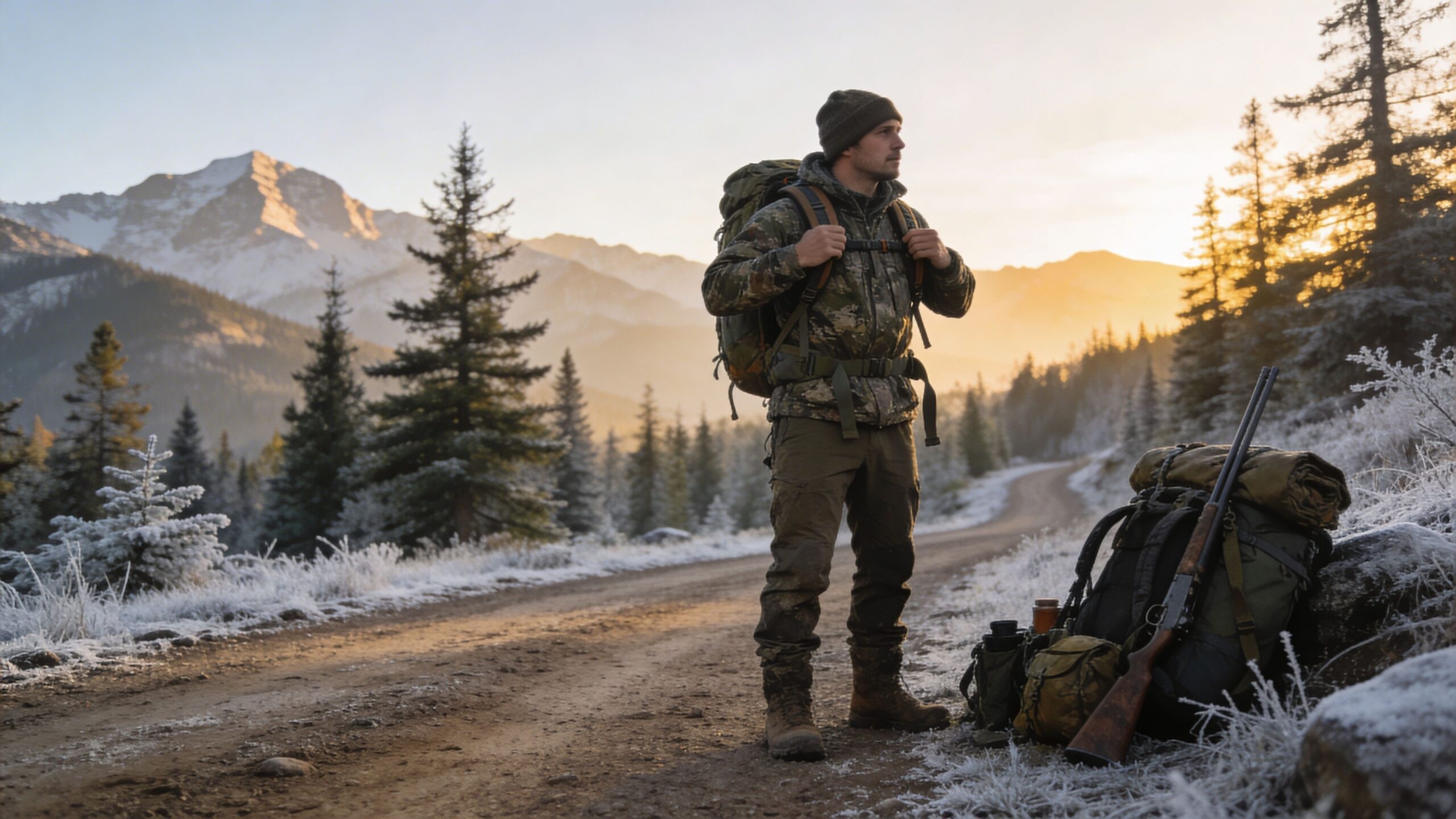
The West also punishes vague fitness plans. A hunter who can walk flat ground all day may still struggle with elevation, deadfall, loose rock, snow, and heavy packs. Choosing a western state should include an honest look at terrain difficulty. A less dramatic unit that you can hunt effectively may beat a famous unit that leaves you exhausted by noon.
Weather can make one state feel like several different destinations. Early archery elk may involve heat, water scarcity, and afternoon storms. Late rifle seasons may bring snow, closed roads, migration movement, and meat-care advantages. A destination should be evaluated by the exact season you can hunt, not by a general reputation.
Local knowledge has value, but it should not become dependence. Talking with biologists, wardens, local shops, and experienced hunters can clarify broad patterns. Still, the final plan must be tested on the ground. Animals respond to current pressure and current conditions, not simply to what a unit is known for.
Whitetail and Multi-Species Choices
Iowa, Kansas, Illinois, Missouri, Ohio, Kentucky, Wisconsin, Texas, and other deer-rich states attract whitetail hunters for different reasons. Iowa has a premium reputation. Kansas offers open-country and river-bottom potential. Illinois and Ohio remain serious mature-buck destinations. Missouri and Wisconsin provide broad opportunity. Texas offers enormous deer hunting culture, but access is often private and lease-driven.
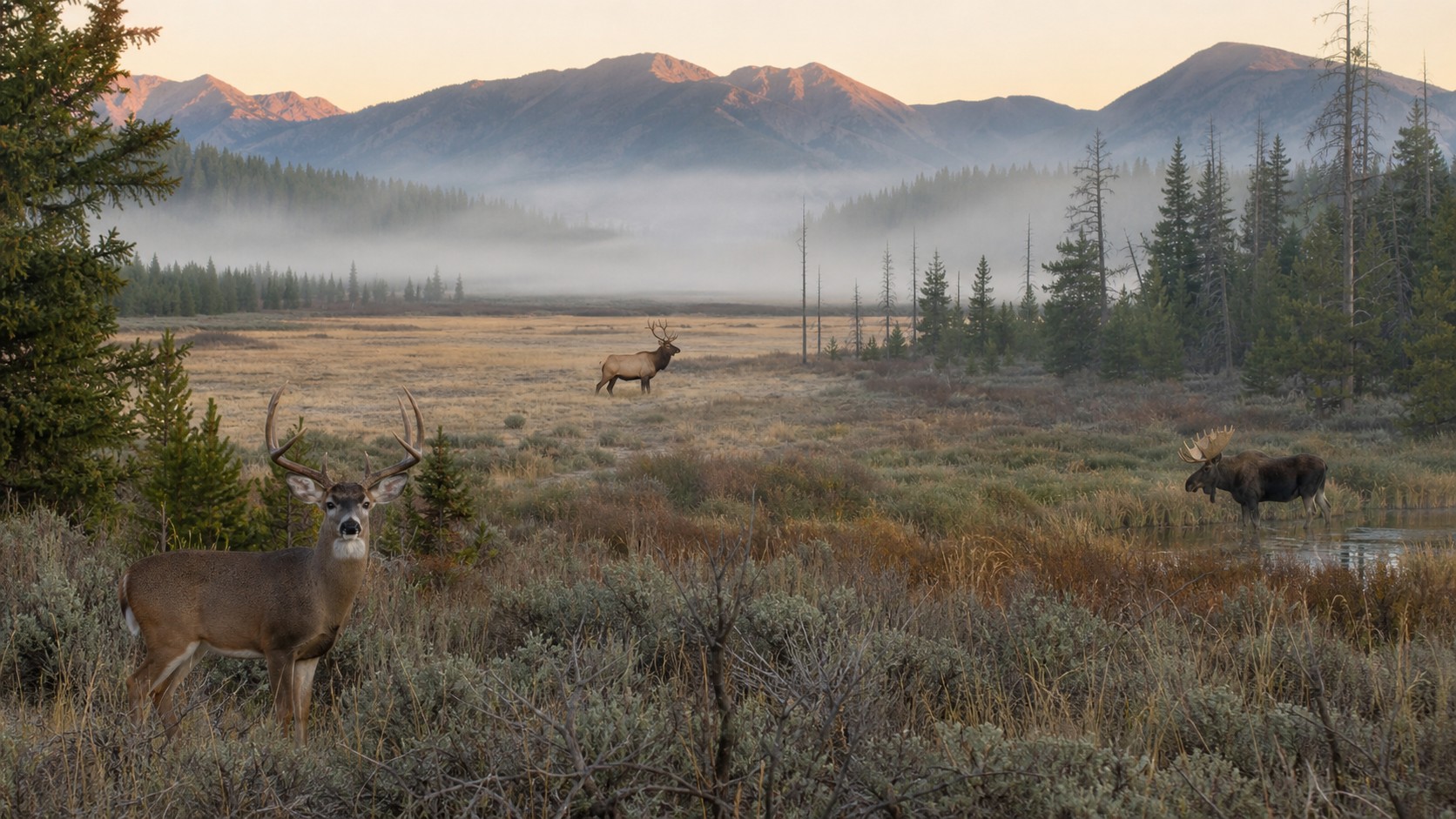
Hunters should also consider states that provide multiple big game options. A place that offers deer, bear, turkey, and elk may fit a long-term hunting lifestyle better than a single trophy destination. The more a state supports repeatable learning, the more valuable it becomes.
Whitetail hunters should think about access economics. In some destination states, private leases and outfitted farms dominate the best-known areas. Public land may still produce, but it may require different expectations and more creative pressure avoidance. A hunter who wants a low-cost public trip should evaluate that specifically instead of assuming a famous deer state will automatically fit.
Multi-species states can be especially rewarding for families or long-term hunters. A place where you can hunt deer one season, bear another, and perhaps apply for elk or pronghorn builds continuity. You learn roads, weather, regulations, and habitat over time. That familiarity can be more valuable than constantly starting over in a new trophy destination.
Meat hunters may judge states differently from antler-focused hunters. Liberal doe opportunities, accessible public land, manageable travel, and reliable deer numbers can create a better season than a place known for rare giants. Defining success early prevents disappointment later.
How to Choose Your State
Start with the animal, then define the experience. Do you want a meat hunt, a trophy hunt, a first western trip, a public-land challenge, or a family-friendly deer season? Once that is clear, compare access, tag odds, travel cost, terrain difficulty, weather, and meat-care logistics.
The best state is not the one that wins every argument online. It is the one where your preparation, budget, schedule, and skill set can meet real opportunity. A smart hunter may choose a less famous state and have a better hunt because the plan is realistic from the beginning.
Budget is not just tag price. Fuel, tires, lodging, food, extra scouting days, emergency gear, meat processing, coolers, dry ice, and possible taxidermy shipping can change the real cost. A state within driving distance may allow more scouting and a better meat-care plan than a distant state with more impressive photos.
Finally, choose a state you are willing to study. Regulations, draw odds, unit maps, access, weather, and animal behavior all reward attention. If you enjoy that research, the trip starts months before opening morning. If you do not, choose a simpler hunt where success does not depend on mastering a complicated system in a few evenings.