Build a Small Game Kit That Actually Gets Used
Small game hunting does not require a truck full of specialized equipment, but the right gear makes the day safer, cleaner, and more productive. Rabbits, squirrels, grouse, doves, and other small game often reward hunters who travel light, move quietly, and carry tools that solve real field problems. In 2026, it is easy to overbuy because every vest, optic, shell, app, and accessory claims to be essential. The better approach is to build a kit around the way you hunt, the species you pursue, and the terrain you cover.
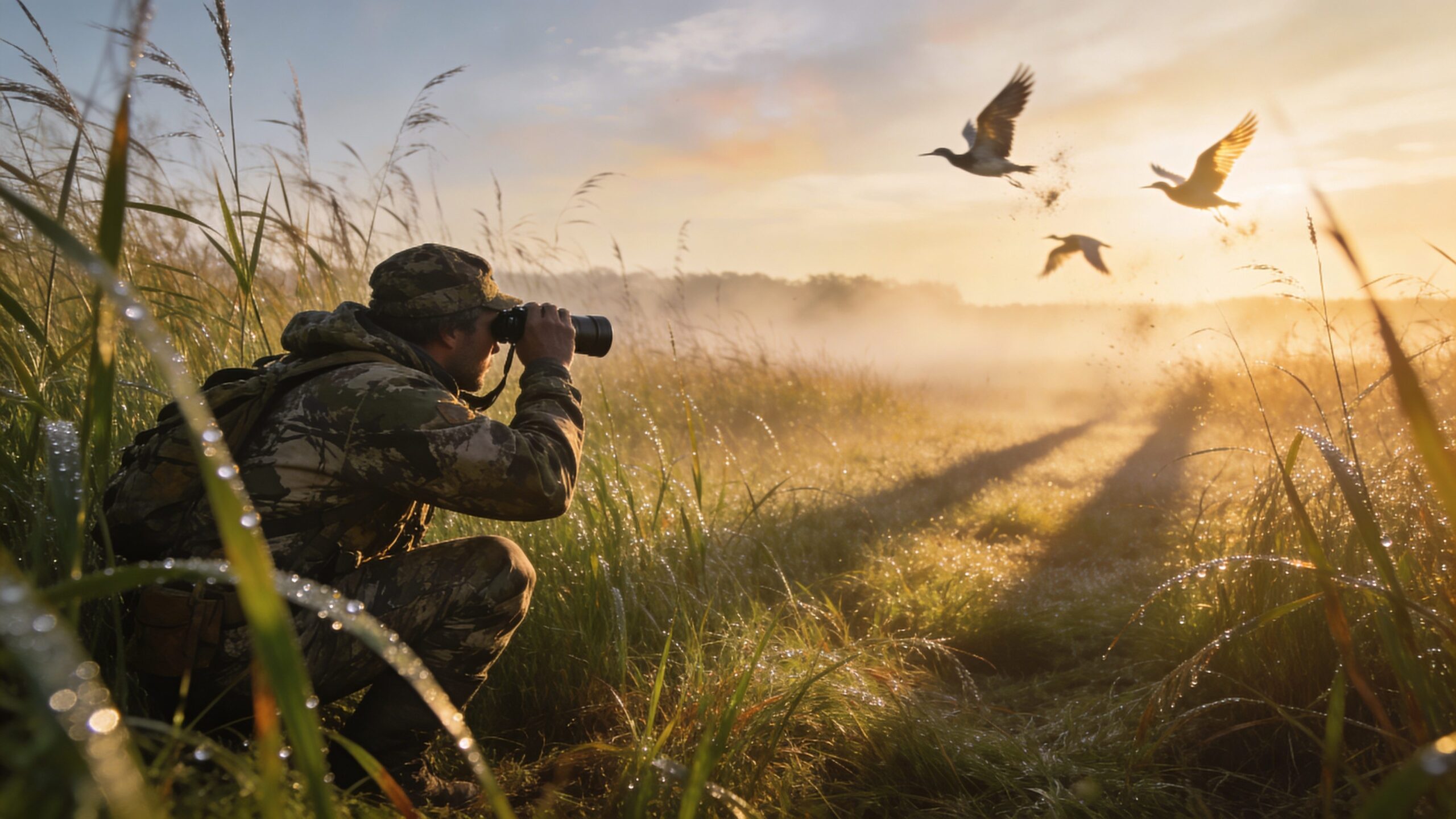
A: No. Compact, clear binoculars are helpful, but premium glass is less important than comfort and steady use.
A: Usually, yes for active small game hunts because shells, water, and game stay easier to reach.
A: Water is often forgotten because the hunt feels short, but walking cover can dehydrate hunters quickly.
A: It depends on species, terrain, and safety backstops, though shotguns are often more forgiving for rabbits and flushing birds.
A: If the kit makes you avoid moving, listening, or adapting, it has become too heavy.
A: Yes, but loads, chokes, clothing, and field-care tools should still be adjusted for the day's target.
Start With the Hunt You Actually Make
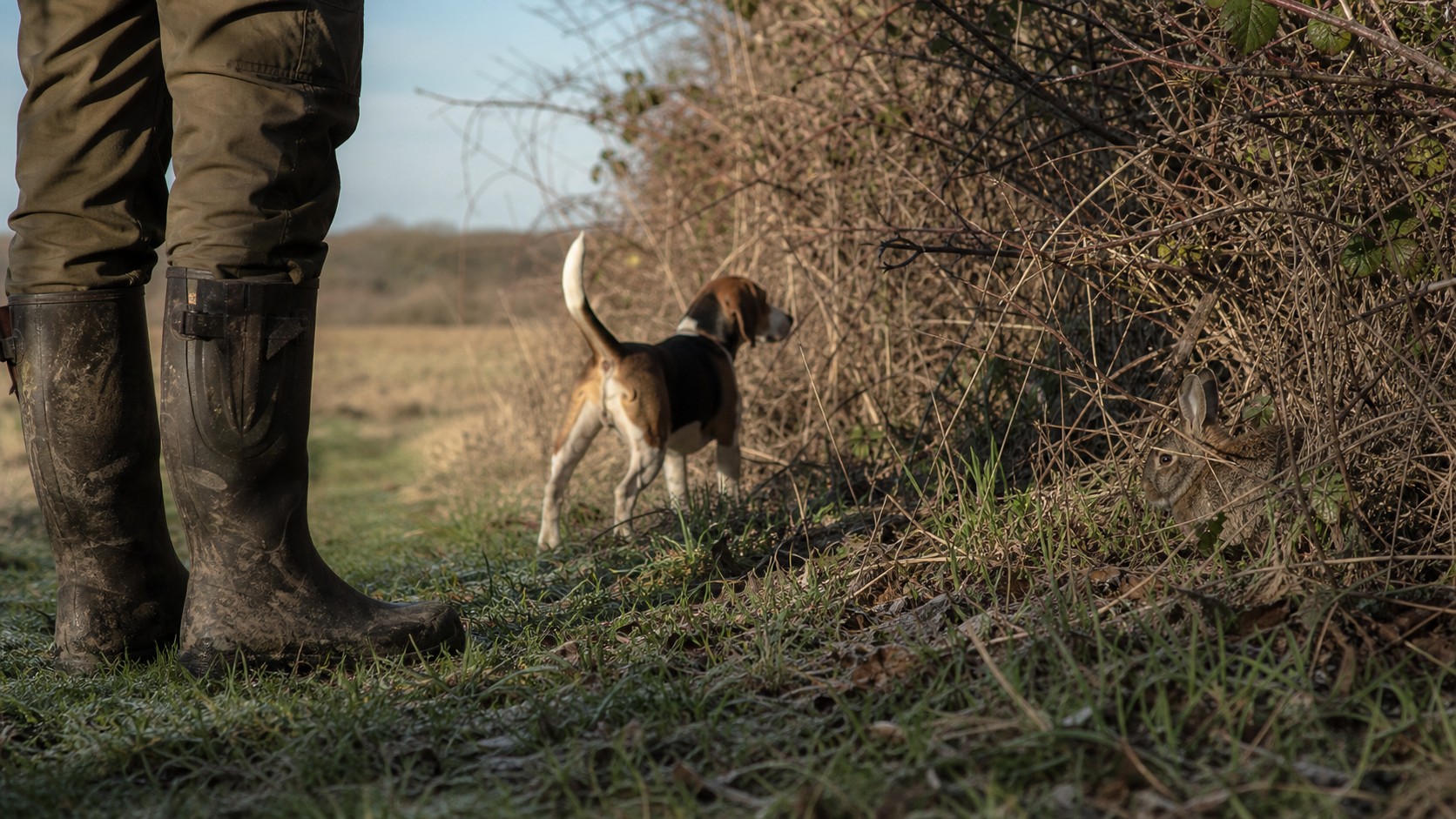
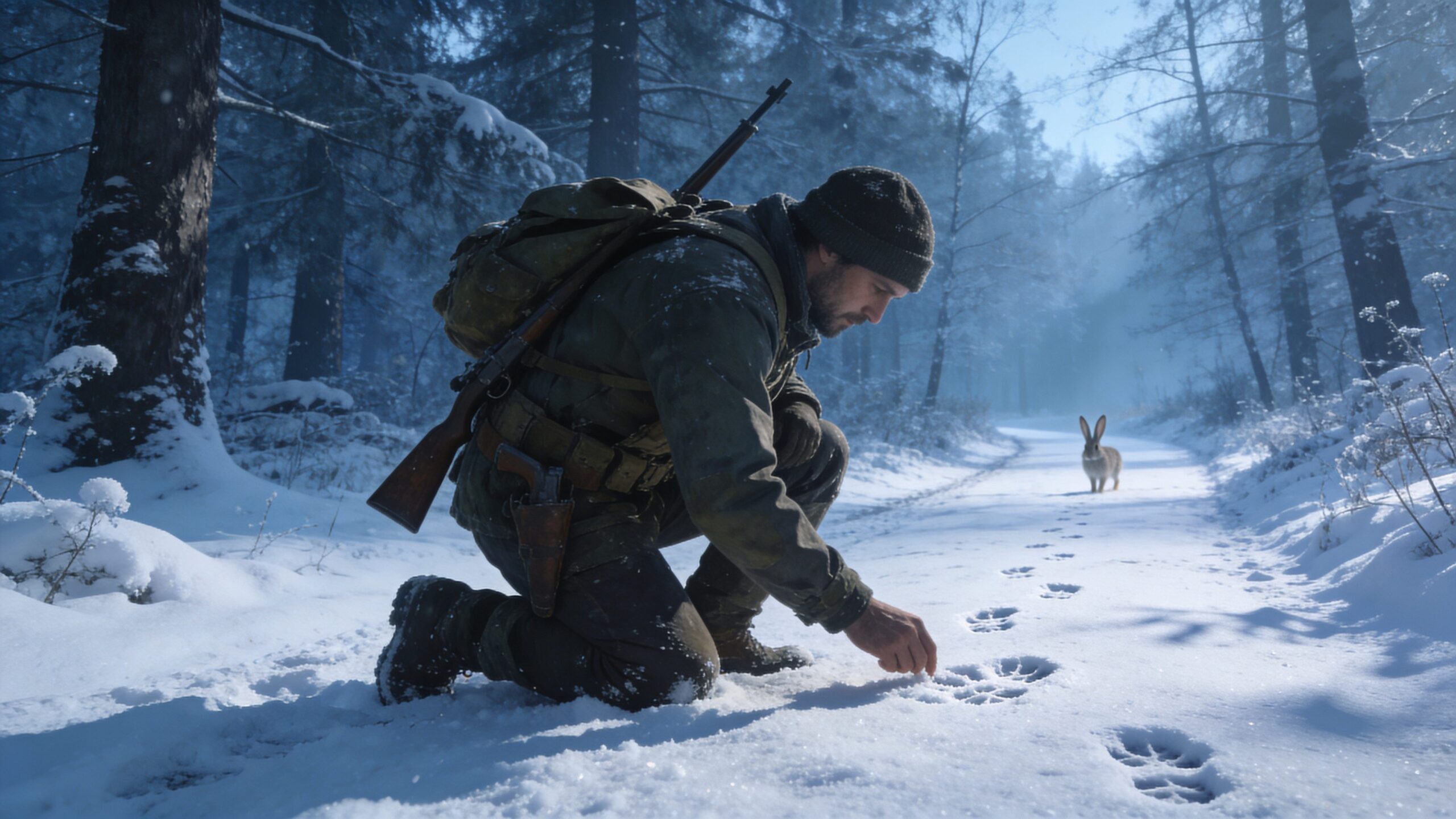
Small game hunting covers many styles. A squirrel hunter may sit quietly under hickories and watch the canopy. A rabbit hunter may push brushy edges with a dog. A grouse hunter may walk miles of young timber. A dove hunter may sit near a field with shells, water, and shade. Because the hunts are different, no single gear list should be treated as universal.
The most useful kit begins with honest questions. How far will you walk? Will you hunt alone or with partners? Are dogs involved? Is the weather warm, cold, wet, or variable? Will shots be close and fast, or careful and stationary? When gear is chosen around those answers, the kit stays lean and practical.
The easiest way to overspend is to shop before defining the hunt. A squirrel hunter who sits under mast trees needs different gear than a rabbit hunter pushing briars with a dog. A dove hunter near a field needs shade, shells, and a seat more than heavy brush pants. Start with the species and the walking distance, then let the gear list shrink into something practical.
Small game gear should also make cleanup easier. Fur, feathers, mud, seeds, blood, and wet leaves find their way into pockets and pouches. Washable materials, removable liners, and simple storage habits keep the kit from becoming unpleasant. Gear that is easy to clean gets used more often.
Firearms, Bows, and Ammunition
For many hunters, the small game conversation begins with a .22 rifle or a shotgun. The .22 is excellent for squirrels and other situations where safe backstops are available and precision matters. It is quiet, accurate, affordable to practice with, and easy to carry. The drawback is that it demands careful shot selection and strong awareness of what lies beyond the target.
Shotguns are versatile for rabbits, upland birds, and quick-moving targets. A 20 gauge is a favorite because it balances effectiveness with easy carry. A 12 gauge works well but can feel like more gun than needed for long walks. A .410 can be enjoyable in skilled hands, but beginners may find it less forgiving.
Whatever you choose, pattern or test it before the season. Shotguns need pattern work with the actual choke and load. Rimfires should be tested for accuracy with different ammunition. Practice builds confidence, and confidence keeps field decisions cleaner.
Legal requirements should guide equipment before personal preference does. Some areas restrict firearm types, shot material, magazine capacity, hunting hours, or blaze orange. Public lands may have additional rules. Checking regulations before choosing a load or gun prevents last-minute frustration and keeps the hunt responsible.
Fit matters more than novelty. A shotgun that mounts naturally and patterns predictably is better than one chosen because it looks impressive. A rimfire that groups well with affordable ammunition is more useful than a fancy rifle the hunter rarely practices with. Small game offers excellent practice because opportunities are frequent enough to build real skill.
Noise and handling deserve attention too. Heavy guns, complicated slings, loose gear, and rattling shell boxes can make a hunter clumsy in close cover. Before the season, walk with the full kit and notice what catches, squeaks, or swings. Those small annoyances become bigger after several miles.
Clothing That Protects Without Dragging You Down
Small game cover can be harder on clothing than many big game hunts. Briars, saplings, cattails, wet grass, burrs, cut crop stalks, and snow can all punish lightweight casual clothes. Pants should protect the legs without feeling stiff. Boots should be comfortable enough for steady walking and supportive enough for uneven ground.
Layering matters because small game hunts change pace. You may sweat while walking a ridge, then cool off while waiting under a squirrel den tree. Breathable base layers, a quiet midlayer, and a weather-aware outer layer are more useful than one heavy coat. Gloves and a hat add comfort without much weight.
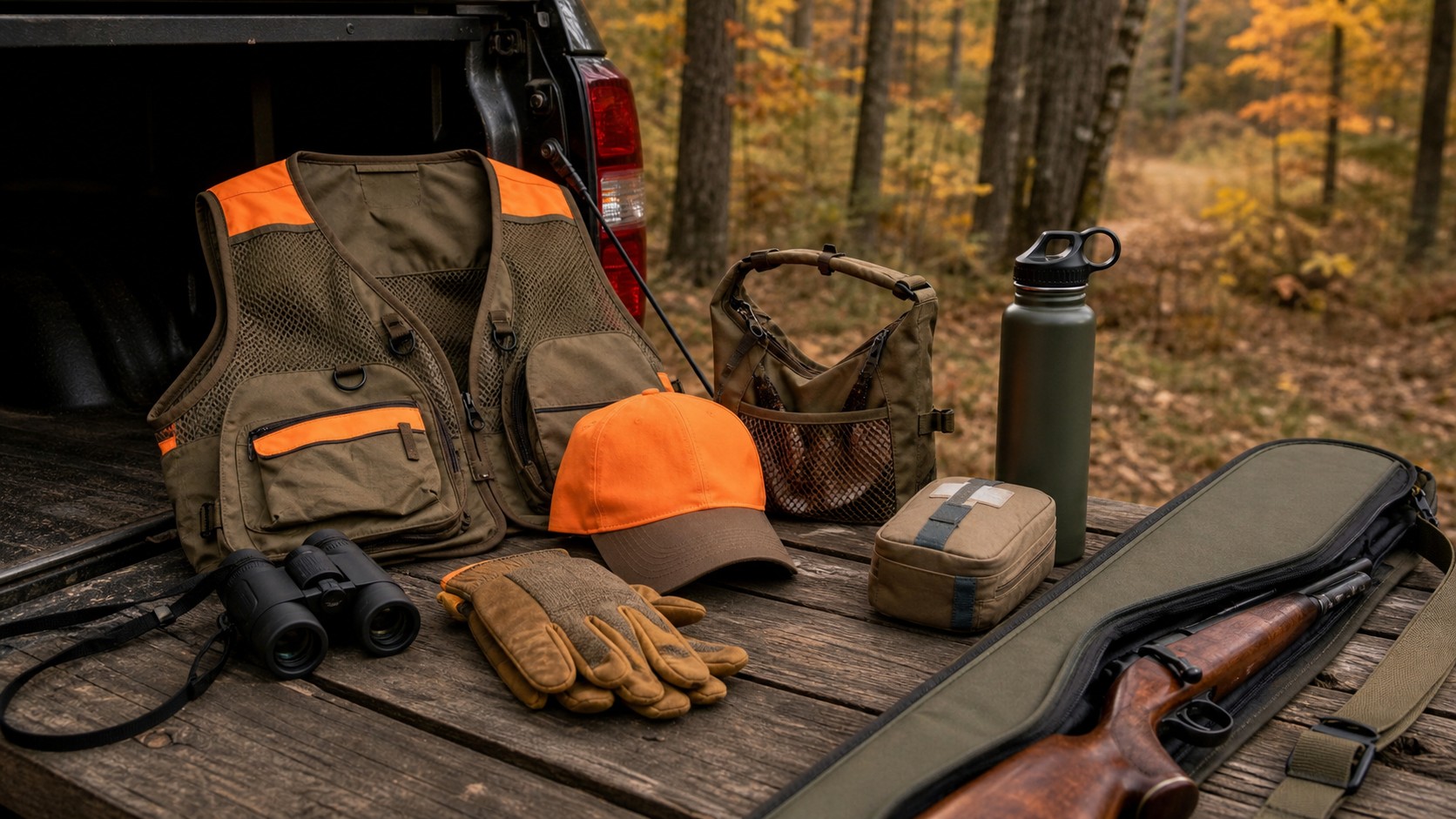
Blaze orange deserves a permanent place in the discussion. Regulations vary, but visibility is wise wherever other hunters may be nearby. Most small game species are not defeated by a smart orange vest or cap. Movement, noise, wind, and poor setup usually matter more.
Boot choice should match ground conditions. Rubber boots can be useful in wet creek bottoms or marshy rabbit cover, while lightweight hikers may be better for dry squirrel woods. Insulated boots help in snow but can become miserable during active walking. The best pair is the one that keeps you moving without hot spots, soaked socks, or unnecessary weight.
Brush protection is worth more than perfect camouflage. Rabbits and grouse often live where thorns and young saplings punish thin fabric. Durable pants or chaps can keep a hunter in good cover longer. If clothing makes you avoid the thickest patch on the property, it is quietly costing opportunities.
Layering should allow adjustment without unpacking the whole vest. Small game hunters often warm up quickly, then cool down during pauses. A light vest, breathable midlayer, and packable shell can handle more conditions than one bulky coat that is either too hot or not enough.
Hands and eyes deserve protection too. Thin gloves prevent scratches when pushing brush, and shooting glasses can guard against whipping twigs or dust. These items are not glamorous, but they keep the hunter comfortable enough to stay in productive cover. Comfort is not softness when it directly supports better hunting.
Packs, Vests, and Carry Systems
A good vest may be the most practical small game accessory. It keeps shells, water, snacks, calls, gloves, a knife, and game within reach. Unlike a large backpack, it does not need to be removed every time you need something. For rabbit and upland hunters, a rear game pouch is especially useful.
Backpacks still have a place. If you hunt remote public land, carry dog gear, pack extra layers, or expect a full day outside, a small pack can be sensible. The danger is turning a simple hunt into a burden. If you carry too much, you may stop moving naturally, avoid thick cover, or end the day early.
The best carry system is quiet, balanced, and washable. Small game hunting can involve mud, feathers, fur, seeds, and blood. Gear that cannot be cleaned easily will not stay pleasant for long.
Organization matters because shots and flushes happen quickly. Shells should be reachable with either hand if possible. The knife should have a consistent pocket. Water should not require emptying the whole pack. When every item has a home, the hunter spends less time fumbling and more time watching cover.
A vest should also distribute weight comfortably. A rear game pouch full of rabbits or squirrels can pull backward, especially late in the day. Adjust straps, balance water, and avoid carrying unnecessary items just because pockets are available. Empty space is not a problem; extra weight often is.
If using a backpack, choose one that does not interfere with mounting the shotgun or carrying a rimfire safely. Tall packs, loose straps, and noisy buckles can become irritating in brush. A small, quiet, close-fitting pack usually works better than a large daypack built for a different type of hunt.
Safety and Navigation
Small game hunts often happen close to home, which can make hunters careless. A first aid kit, headlamp, navigation app or map, whistle, lighter, and phone battery bank are small items that can matter when a short loop becomes longer than expected. Public land boundaries, changing weather, and thick cover can disorient even experienced hunters.
Firearm safety deserves special attention because small game hunts can involve partners, dogs, brush, and quick targets. Muzzle control, safe zones of fire, visible clothing, and clear communication are essential. No rabbit, squirrel, or bird is worth a rushed shot through uncertain cover.
Hunters using dogs should add canine safety to the kit. Water, a lead, a bright collar, a basic dog first aid plan, and awareness of roads or fences help keep the hunt enjoyable.
Navigation is easy to underestimate on small parcels. Thick cover can hide property lines, and a winding creek or hedgerow can make a short loop confusing. A phone map is helpful, but battery life and signal are not guaranteed. Download offline maps or carry a paper backup when hunting larger public areas.
Partner communication should be planned before entering cover. Decide who moves, who stands, where safe shooting lanes are, and when the group will regroup. Small game hunts can feel casual, but quick low shots around brush require more coordination than many hunters admit.
Weather safety matters as well. Wet cotton, cold wind, and fading light can turn an easy afternoon into an uncomfortable walk out. A light emergency layer, headlamp, and simple fire starter take little space and add a margin of safety without turning the vest into a survival pack.
A small repair item can save a hunt. A broken sling swivel, loose boot lace, torn vest snap, or dead collar battery can become frustrating far from the truck. Carrying a spare lace, a little tape, or the correct battery is not overpacking when it solves a problem that commonly ends the day early.
Field Care and Final Adjustments
A sharp compact knife, disposable gloves, game bags, a washable pouch, and a cooler in the vehicle make field care easier. Warm weather can affect small game quickly, especially if animals are carried in an unventilated pocket. Keep harvests clean, cool, and separated from dirty gear when possible.
Before each hunt, remove anything that did not earn its place last time. Add only what solves a specific problem. Small game hunting is at its best when the kit supports movement, observation, safety, and clean handling. You do not need every new product in 2026. You need the right few items, carried well and used with care.
Coolers and vehicle organization are part of the gear system. A clean cooler, ice packs, towel, spare gloves, and trash bag make the end of the hunt smoother. If birds or rabbits ride home in a dirty pile of boots and wet clothing, all the careful field work loses value.
Review the kit after every few hunts. Remove items that never leave the pocket. Replace dull blades, torn bags, dead batteries, and cracked water bottles. Small game seasons are perfect for refining gear because each outing gives quick feedback. By the end of the season, your kit should feel personal, light, and dependable.
That review should include what helped you hunt longer and what merely rode along. If a tool prevented a blister, organized game, improved safety, or kept a dog comfortable, it belongs. If it only added weight, leave it behind next time. A small game kit should become simpler as the season teaches you.