Rabbit Hunting Rewards Patience and Pressure
Rabbit hunting looks simple from the outside: find brush, walk slowly, and be ready when a rabbit bolts. In practice, consistent success comes from understanding cover, timing, pressure, and safe shooting lanes. Rabbits survive by using thick edges, quick turns, familiar escape routes, and moments of stillness that make hunters walk past them. Whether you hunt with beagles, partners, or a quiet solo approach, the goal is to apply just enough pressure to make rabbits reveal themselves without turning the hunt into noisy chaos.
A: No. Dogs help, but careful solo hunters can find rabbits by working good cover slowly and pausing often.
A: Brushy field edges, briar patches, old fencerows, and overgrown lots near food are good starting points.
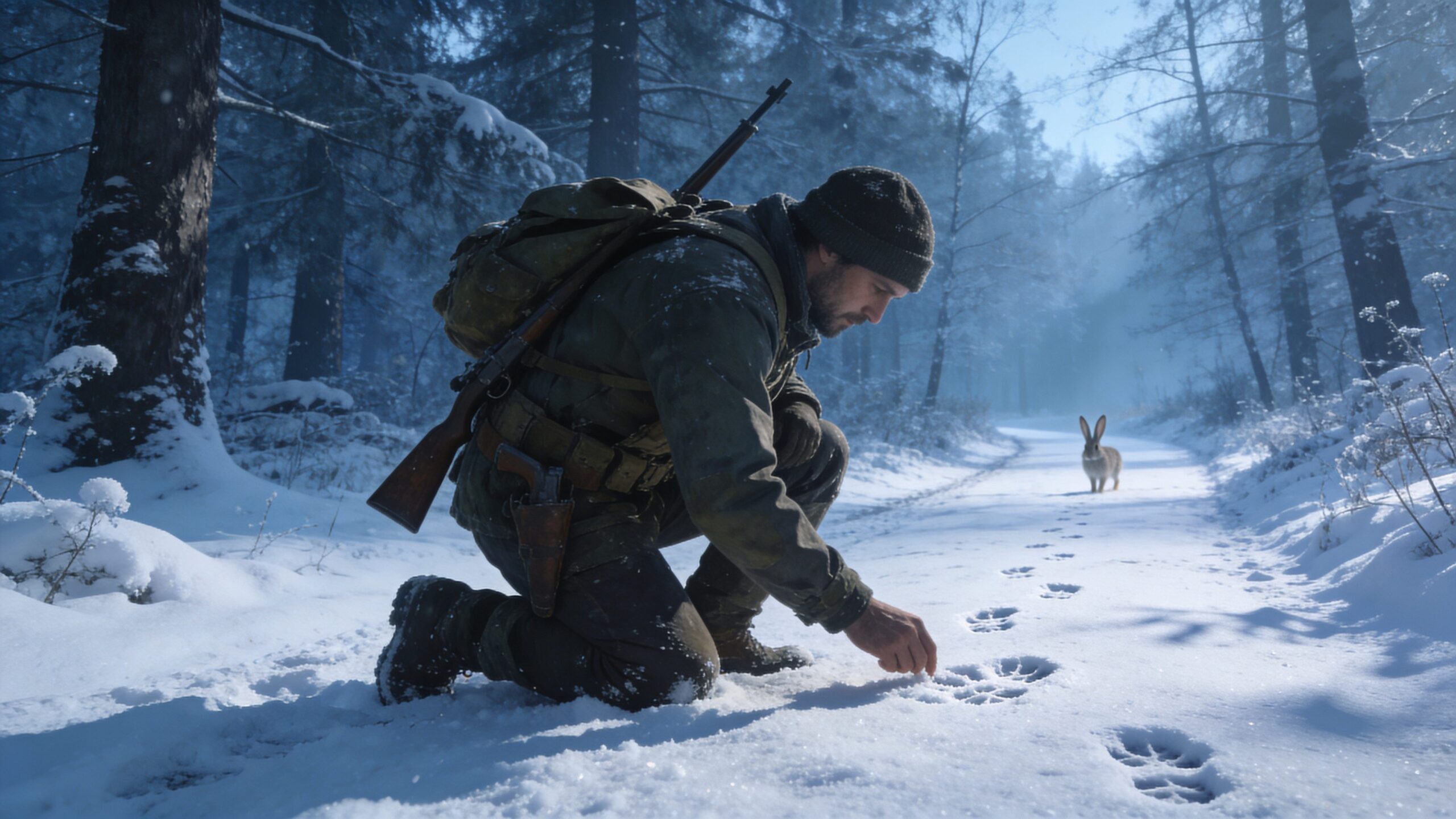
A: Yes. Snow reveals tracks, feeding areas, and escape loops, though crusty conditions can make rabbits harder to approach.
A: A 20 gauge is popular because it carries easily and handles close-cover shots effectively.
A: They often know their home range well and may loop through familiar escape routes rather than running endlessly away.
A: Moving too fast through good cover causes hunters to miss rabbits that hold tight until the danger passes.
Find the Right Kind of Messy Cover
Rabbit cover rarely looks clean. The best places often include briars, weeds, brush piles, young saplings, fencerows, ditch banks, creek edges, old orchards, abandoned lots, or tangled field corners. Rabbits need food nearby, but they also need instant security. A beautiful open field may feed rabbits at night and hold none during the day.
Look for cover that makes you slow down. If a patch has thorns, low tunnels, droppings, clipped stems, and escape routes into thicker shelter, it deserves attention. Hunters often walk past small patches because they look insignificant. Rabbits do not need a huge area if the cover gives them food, shade, and protection.
A good rabbit spot usually feels slightly inconvenient. It may snag pants, hide holes, limit visibility, or force the hunter to slow down. That inconvenience is exactly why rabbits use it. Open walking is comfortable for people, but rabbits trust tangled cover that gives them several escape choices within a few bounds.
Food should be close enough to matter. Clover, winter wheat, garden edges, woody browse, weeds, and crop residue can all feed rabbits, but they rarely spend the day exposed in the middle of it. Look for the nearest secure cover and hunt the transition carefully. The productive zone is often where feeding and hiding overlap.
Timing and Weather
Rabbit hunts can work throughout the day, but timing changes the style. Early morning and late afternoon may catch rabbits closer to feeding edges. Midday often pushes them into thicker bedding cover. After a light snow, tracks can turn a confusing property into a readable map. You can see where rabbits feed, cross openings, and return to shelter.
Cold, sunny days can make sheltered south-facing cover valuable. Windy days make sound harder to interpret, so hunters need to watch carefully and stay ready. Wet conditions can quiet footsteps, but soaked clothing, slippery banks, and tired dogs can shorten the hunt. The best rabbit hunters adapt the route to the day's weather instead of marching the same loop every time.
Timing also changes how aggressively to hunt. On a warm afternoon, rabbits may sit tight in shade and require slow, close pressure. After a cold night, sunny brush can be worth a patient approach. During snow, tracks can reveal whether rabbits are using a patch today or whether the sign is old and crusted over.
Hunting pressure changes the clock. A public area that looks empty at daylight may hold rabbits that have shifted away from parking lots and obvious trails. Later in the morning, after other hunters leave, a careful second pass through overlooked cover can be productive. Rabbits do not read the schedule hunters prefer.
Predator activity can influence timing as well. Hawks, owls, foxes, coyotes, and domestic disturbance can all make rabbits choose thicker shelter or delay movement. Hunters do not need to overthink every track, but they should notice when a cover patch feels tense and quiet. Sometimes the best response is to slow down and work the densest security cover.
Hunting With Dogs
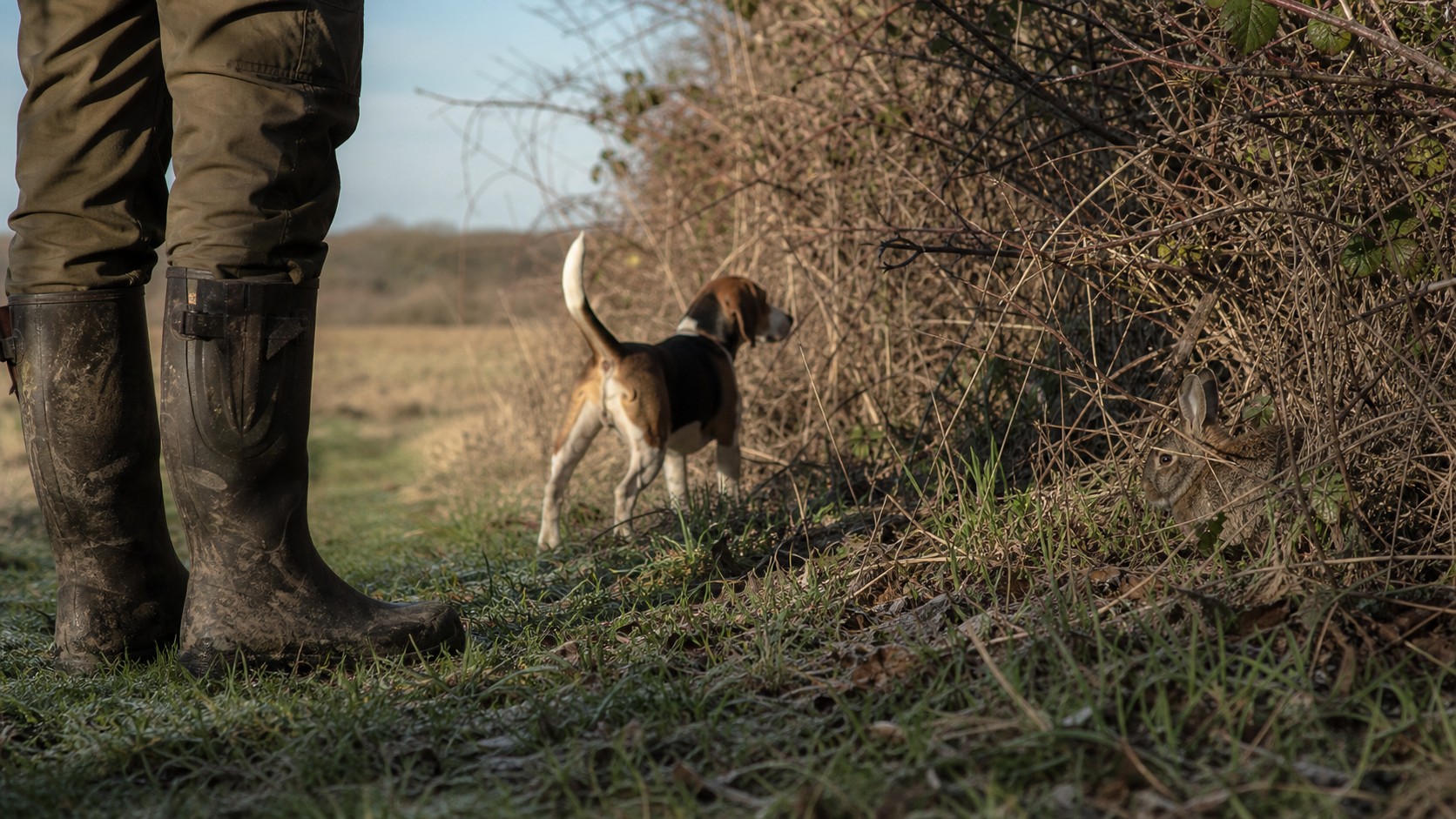
A good rabbit dog changes the hunt by turning scent into a moving story. Beagles and other rabbit dogs can jump rabbits from thick cover, follow the line, work through checks, and push the rabbit in a circle. The hunter's job is not to chase wildly behind the dog. It is to understand likely escape routes and stand where a safe shot may develop.
Patience is critical when a dog loses the line. Dry ground, wind, heavy pressure, and confusing scent can create checks. Crowding the dog often makes things worse. Give the dog room to solve the trail while hunters maintain safe positions and communicate clearly.
Dogs also add responsibility. Bring water, monitor fatigue, watch for roads and fences, and carry basic first aid supplies. A good hunt should end with the dog healthy, confident, and eager for the next cover patch.
Stand placement is a skill in dog hunting. When a rabbit jumps, it may circle through a saddle in the cover, cross a trail, or slip along a brush edge. Instead of following the dog closely, hunters should move to safe openings where the rabbit is likely to pass. The dog creates pressure; the hunter creates the opportunity by choosing the right lane.
Do not let excitement erase safety around dogs. Low shots through brush are dangerous when a dog is working scent. Know where the dog is, where partners are, and where the rabbit is headed. If the picture is uncertain, let the rabbit go. A disciplined pass teaches better habits than a risky shot teaches regret.
Dogless hunters can learn from dogs by studying circles. When a rabbit flushes, note where it wanted to go. Many rabbits use familiar escape routes again. A future hunt can place a partner or a solo route around that tendency, turning one missed chance into better understanding.
Still-Hunting Without Dogs
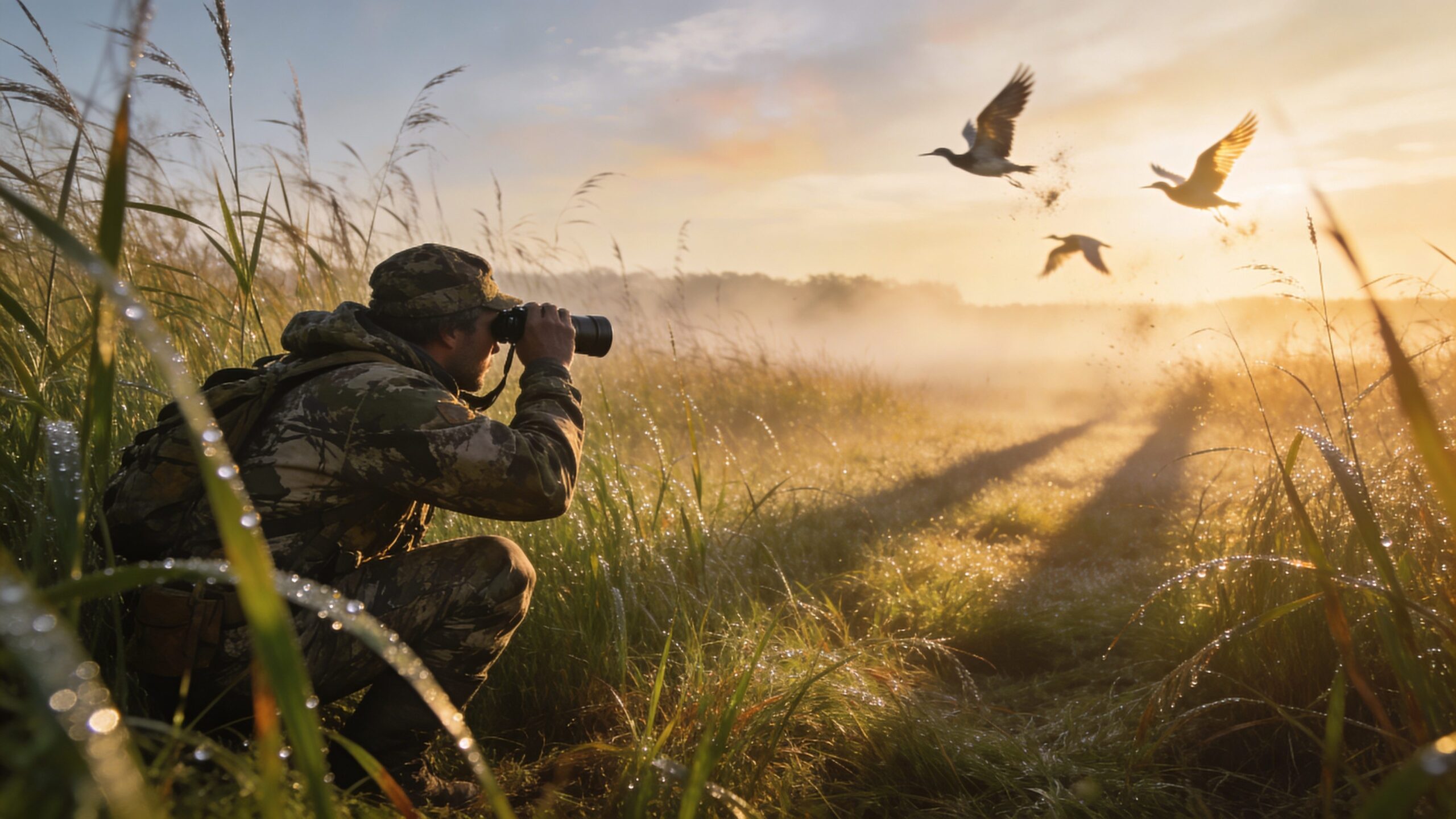
Solo rabbit hunting is slower than many beginners expect. Walk a few steps, stop, and scan. Rabbits may hold until pressure pauses, then slip out when they think they have been pinned. Watch the edges behind you and to the side, not just the brush directly ahead. A rabbit that sneaks away quietly can be harder to notice than one that explodes from cover.
Use the shape of the cover. Circle small brush piles, work fencerows with the wind in mind, and approach openings from angles that give you safe visibility. In thick briars, do not force every step. Sometimes a careful kick, a pause, and a ready stance are better than plowing through and losing control of the firearm.
Mark where rabbits flush. Over time, you may see patterns: a certain corner, a brush pile near a ditch, a trail through a hedgerow, or a sunny edge after cold nights. Those details make future hunts more deliberate.
The pause is the solo hunter's best tool. Rabbits often wait for steady footsteps to pass, but a sudden stop can make them nervous. Stand still long enough to scan low openings, brush bases, and the edge behind you. Many rabbits are seen only after the hunter stops trying to force the cover to produce.
Foot placement matters in noisy cover. Step on bare soil, wet leaves, grass, or snow when possible instead of dry sticks. Move the eyes before the feet. A rabbit may already be visible as a dark curve, an eye, or a slight shape under brush. Walking straight at every patch can push rabbits out of range before you know they were there.
Solo hunters should plan loops that end with the wind and sun in mind. Bright sun in your face makes movement harder to detect, and wind at your back carries sound and scent into cover. A small route adjustment can make the same property hunt much better.
A walking stick can be useful in rough cover when used carefully. It can test footing, move light grass, and steady the hunter near ditches without pointing a firearm at the ground. It should never become a careless club that creates noise and unsafe movement. The point is controlled pressure, not chaos.
When a rabbit flushes out of range, resist the urge to rush after it. Watch where it bends, what cover it chooses, and whether it circles toward a familiar lane. That information may create the next chance. A missed rabbit that teaches you the route is still useful, especially on small properties where escape patterns repeat well throughout the season.
Shot Safety and Field Care
Rabbit shots are often close, quick, and low. That combination demands discipline. Know where partners, dogs, roads, houses, livestock, and property boundaries are before the rabbit appears. If the background is uncertain, do not shoot. A rabbit lost to caution is not a failure; it is part of responsible hunting.
Match choke and load to the cover. Dense brush usually calls for close-range practicality, while more open lanes may allow slightly longer opportunities. Pattern your shotgun so you know what your setup does at realistic distances. If using a rimfire where legal and appropriate, safe backstops become even more important.
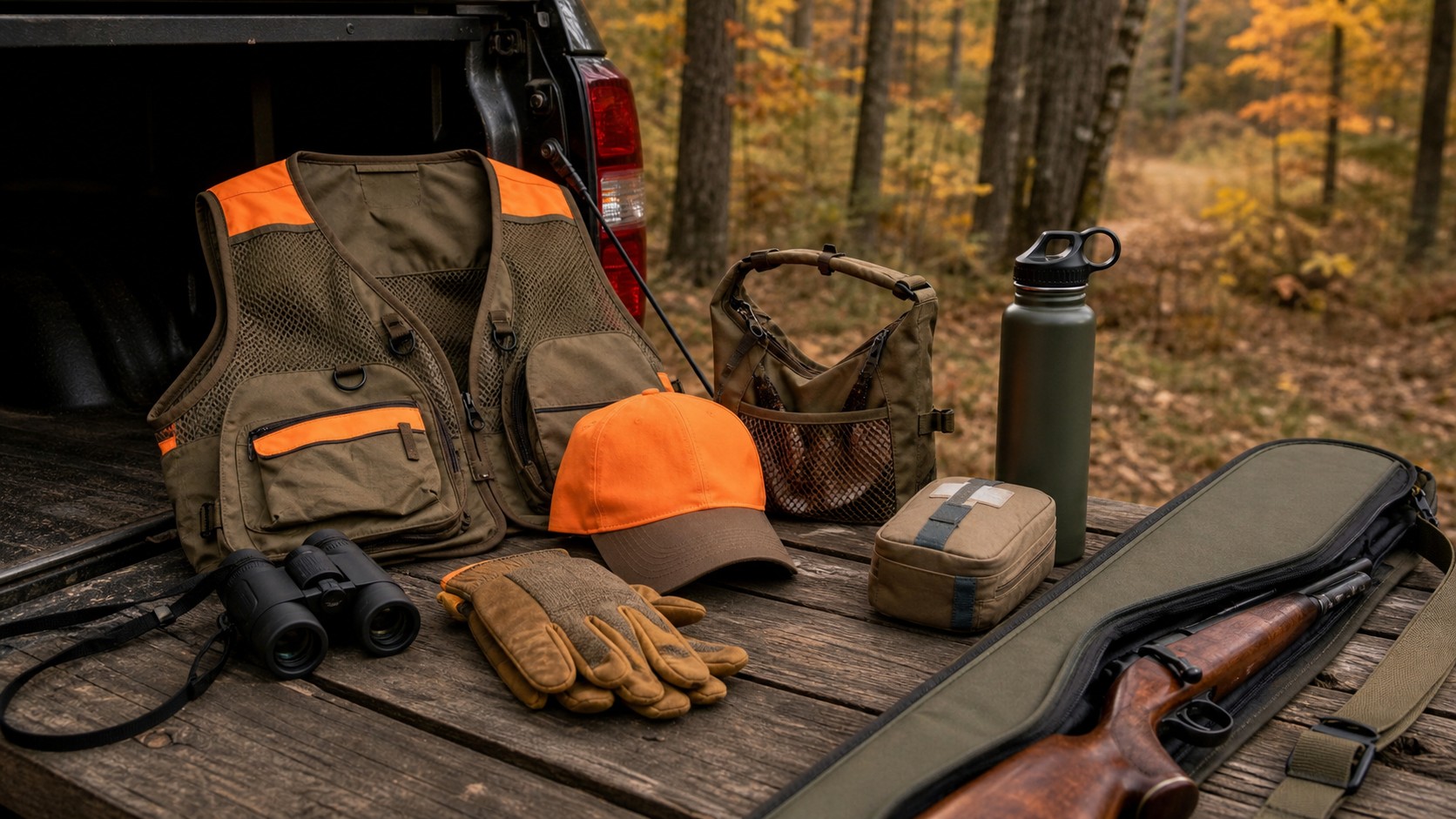
Handle rabbits cleanly and promptly. Warm weather can spoil game quickly, and dirty vest pockets can make a mess of the harvest. A simple knife, gloves, game pouch, and cooler at the vehicle keep the process manageable.
Shot planning begins before the flush. As you approach cover, identify lanes where a shot would be safe and lanes where it would not. If a rabbit breaks toward a road, dog, house, livestock, or partner, the decision is already made. This mental rehearsal keeps excitement from making the choice for you.
Range discipline is part of clean hunting. Rabbits can look close when they are already escaping through brush, and rushed swings often lead to poor hits. Pattern your shotgun at realistic distances and learn how your chosen load performs. A quick follow-up is not a substitute for taking the first shot responsibly.
Field care should match the weather. In cold conditions, rabbits may keep well for the walk back. In warmer weather, clean handling and airflow matter more. Keep game out of dirty pockets, avoid crushing it under gear, and get it cooled when the hunt ends.
Putting It Together
Successful rabbit hunting is a balance of pressure and patience. Push too hard and rabbits may escape unseen or create unsafe shots. Move too little and you may never make them reveal themselves. The right rhythm depends on cover, weather, dogs, partners, and the rabbit's own escape habits.
Start with the messiest useful cover, slow your pace, pause more than feels natural, and keep safety decisions ahead of excitement. Rabbit hunting is accessible, social, and rewarding, but it is not careless. Done well, it teaches reading cover, controlling movement, and making clean decisions under sudden pressure.
Rabbit hunting is also a useful teacher for bigger pursuits. It sharpens cover reading, safe gun handling, partner communication, and patience under sudden movement. Because opportunities can happen quickly, mistakes are obvious. Each flush tells you something about how cover, pressure, and timing interact.
Keep notes after the hunt while the details are fresh. Record the weather, cover type, tracks, dog performance, flush locations, and missed chances. Over several hunts, patterns emerge. The best rabbit hunters are not simply lucky walkers; they are careful observers who remember what each patch taught them.
That memory turns ordinary cover into a map of likely decisions. You begin to know which brush pile needs a pause, which ditch bank deserves a partner on the far end, and which fencerow is only productive after snow. Rabbit hunting becomes much more consistent when every outing improves the next route.