The Rifle That Shows Up When the Hunt Gets Real
Big game hunting has a funny way of turning gear into truth. On the range, nearly any rifle can look impressive. In the mountains—when your lungs burn, your hands go numb, and the shot window is measured in seconds—only a few qualities matter: the rifle must fire every time, hit where it’s aimed, and deliver enough terminal performance to make the harvest quick and ethical. That’s what “power, accuracy, and reliability” really means in the field. Power is not bravado. Accuracy is not benchrest bragging. Reliability is not a marketing slogan. It’s the calm confidence that when you settle into the shot, the rifle simply does its job. This guide is built for hunters who want practical choices, not hype. Instead of chasing a single “best” rifle for everyone, we’ll look at what makes a rifle excellent for big game across different terrain types, hunt styles, and recoil tolerances. You’ll learn how professionals evaluate rifles, what features actually matter, how to match a rifle to your quarry, and how to build a field-ready setup that stays consistent through miles of weather, dust, snow, and adrenaline.
A: Both matter, but bullet construction often makes the bigger real-world difference.
A: Yes, if you can shoot them well and manage recoil consistently.
A: Bolt-actions are widely trusted due to simplicity, strength, and easy maintenance.
A: Most hunters do well with moderate magnification and a wide field of view.
A: Confirm at the range after travel, bumps, and weather changes.
A: Yes—practice enough with it to confirm point of impact and recoil behavior.
A: Choose a common, proven option you shoot well and can find easily.
A: Fit, a consistent trigger, stable positions, and confidence under pressure.
A: Ignoring mounts/torque and assuming a bumped rifle still shoots true.
A: Yes—control improves shot placement, follow-through, and ethical harvests.
What Makes a Big Game Rifle “The Best”
The best big game rifle is the one you can shoot well under real conditions. That sounds obvious, but it’s the core mistake many hunters make. They buy power first and control later. They buy features they’ll never use and ignore fit, balance, and recoil management. A big game rifle must deliver a bullet with enough energy and penetration to reach vital organs from the angles you’re likely to encounter, but it must also be shootable enough that you can place that bullet precisely without flinching, rushing, or guessing.
Accuracy, in a hunting context, is consistency from field positions. A rifle that prints tiny groups off bags but becomes awkward from kneeling or prone on uneven ground isn’t “accurate” for hunting. Reliability is equally specific: the rifle must feed, fire, extract, and eject without drama, even when it’s cold, dirty, wet, or handled with gloves. And it must hold zero. A rifle that shifts point of impact after a bumpy pack-in or a hard knock against a rock is the opposite of reliable, no matter how fancy it looks on a workbench.
Choosing the Right Action: Bolt, Lever, Semi-Auto, or Single Shot
For most big game hunters, the bolt-action rifle remains the gold standard because it combines strength, simplicity, and accuracy with excellent cartridge support. A good bolt gun handles high-pressure cartridges, offers consistent lockup, and tends to be easier to maintain in remote country. Modern bolts can be fast and smooth, and the controlled approach of cycling a bolt often encourages disciplined follow-up shots rather than panicked spraying.
Lever-actions shine in thick timber and quick encounters where shots are close and the hunt moves fast. They carry well, balance beautifully, and are quick on target. Their main limitation is cartridge selection and long-range ballistics, though modern lever cartridges and updated designs are more capable than ever. Semi-automatics can be effective for certain hunting styles and jurisdictions where legal, particularly for quick second shots, but they introduce more complexity and can be more sensitive to debris and maintenance. Single shots can be wonderfully accurate and lightweight, but they demand a very disciplined hunter and a commitment to shot selection.
If you’re building a “one rifle to do nearly everything” big game setup, a bolt-action is still the most versatile answer. If your world is heavy timber and fast, close-range shots, a lever gun becomes a powerful specialist. Your best action is the one that matches how you truly hunt.
The Truth About “Power”: Cartridge Choice Without the Ego
Hunters love caliber debates because they feel like certainty. The reality is simpler: most popular big game cartridges work extremely well when paired with the right bullet and good shot placement. “Power” is about adequate penetration and tissue disruption in the vitals, not about maximum recoil. The best cartridge is the one you can shoot accurately, repeatedly, from awkward positions, with a steady trigger press. For deer-sized game, cartridges in the .270, 6.5 class, and .308 family have proven performance with manageable recoil and excellent accuracy potential. For elk, many hunters step into cartridges like .308, .30-06, and similar options because they offer a great blend of energy, bullet weight selection, and downrange performance. For moose and large bears, heavier bullets and larger cartridges can add confidence, especially when angles are steep or distances are long, but the same rule applies: the cartridge must be something you can control.
The bullet matters as much as the cartridge. A well-constructed hunting bullet designed for controlled expansion and deep penetration can make a moderate cartridge feel “bigger,” while a fragile bullet from a powerful cartridge can fail to perform when bone is encountered. In other words, don’t just pick a cartridge. Pick a cartridge-and-bullet system that matches your animals and your distances.
Accuracy Where It Counts: Barrel, Trigger, and Stock Fit
A rifle’s accuracy isn’t magic—it’s engineering and fit. Barrel quality and consistent chambering matter, but so does how the rifle interfaces with you. A clean, predictable trigger is one of the biggest accuracy upgrades a hunter can make, because it reduces the tendency to yank the shot at the worst moment. A trigger that breaks crisply at a reasonable pull weight helps you press straight back without disturbing the sight picture.
Stock fit might be even more important. If the comb height doesn’t align your eye naturally with the scope, you’ll hunt for a sight picture and lose time. If length of pull is wrong, recoil feels harsher and follow-up shots get slower. If the rifle is muzzle-heavy or awkward, it becomes tiring to carry and harder to steady. The best rifles feel “quiet” in the hands. They mount naturally, settle quickly, and don’t fight your body mechanics.
Modern rifles often include adjustable features that let hunters tune comb height and length of pull. If your rifle doesn’t, a quality recoil pad or a cheek riser can help. The goal is not to make the rifle look cool. The goal is to make the rifle disappear when you’re aiming.
Reliability in Real Weather: What Actually Matters
A rifle’s reliability is built from boring details. Smooth feeding geometry, strong extraction, and consistent ejection are the foundation. A quality magazine system—whether internal or detachable—must present cartridges at the right angle every time. The bolt should cycle smoothly without binding. The firing system should be robust, and the safety should be easy to manipulate with gloves.
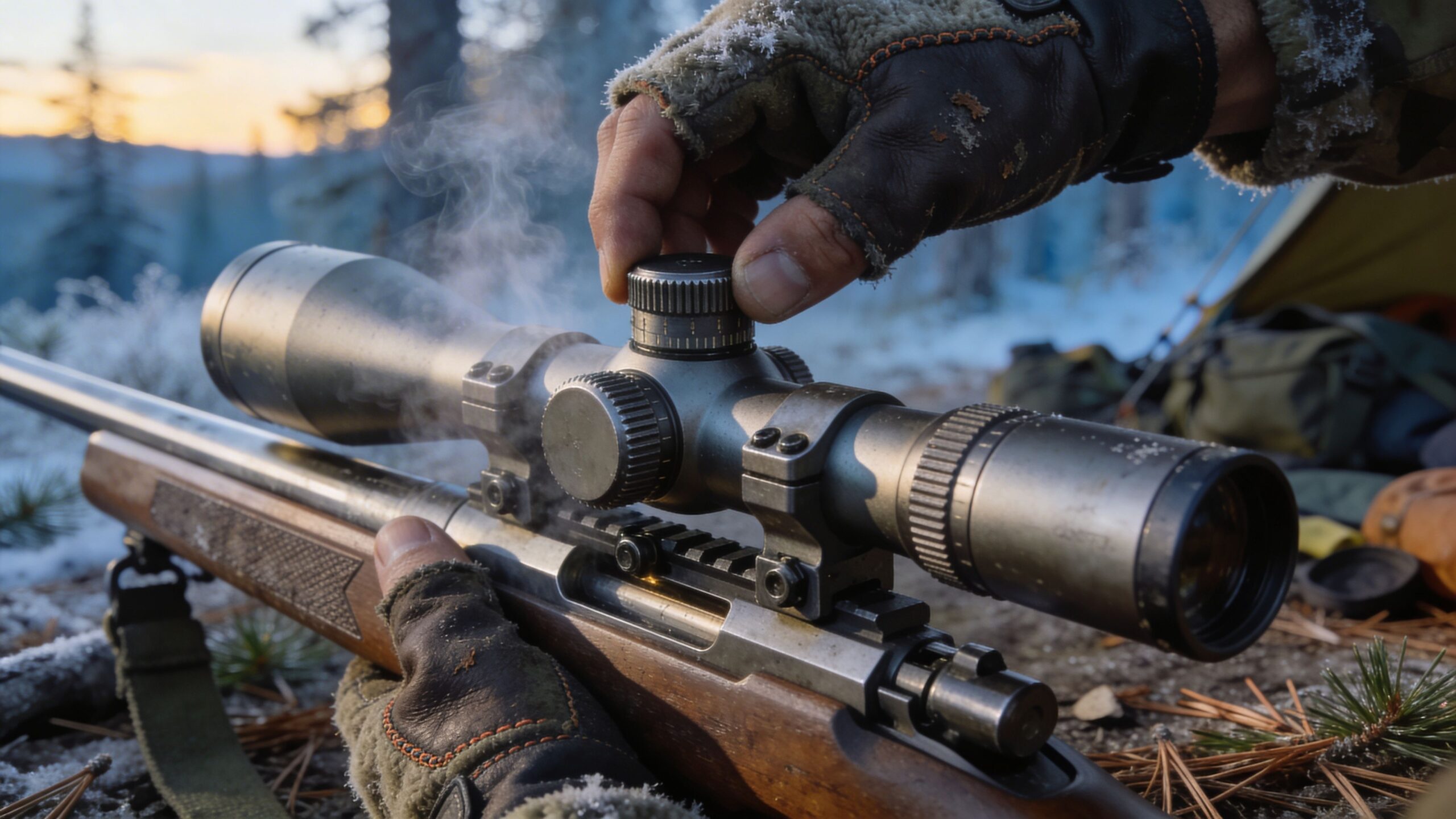
In the backcountry, the enemy is grit, moisture, and temperature swings. A rifle that is overly tight or overly complex may become finicky when dust gets into the action or when freezing temperatures stiffen lubricants. Professional hunters and guides often favor setups that are simple, proven, and easy to service in the field. They also prioritize corrosion resistance, because a week of snow, sleet, or wet brush can turn a neglected rifle into a rust experiment. Reliability also includes how well the rifle holds zero. A secure scope mount, properly torqued rings, and a stock bedding system that doesn’t shift under recoil matter enormously. A rifle can “function” perfectly yet be unreliable if it can’t keep its point of impact stable.
The Best Big Game Rifle Types by Hunting Style
Different hunts demand different rifles, and the smartest choice is the one that matches your most common reality. If you hunt steep mountains and cover lots of miles, a lightweight rifle can be a gift, but only if it still shoots well from field positions and doesn’t punish you with recoil. Lightweight rifles can be harder to shoot accurately for some hunters because recoil becomes sharper and the rifle may feel jumpy. The best lightweight big game rifles balance weight savings with a stable stock design and a cartridge you can control.
If you hunt open country where longer shots are possible, your rifle benefits from a little more weight, a stable platform, and an optic that supports precise aiming. In this environment, a rifle that shoots consistently from prone with a pack rest becomes a real advantage. If you hunt thick timber, your “best rifle” might be the one that shoulders instantly, moves through brush smoothly, and puts a tough bullet exactly where it needs to go inside 200 yards.
No matter the terrain, the best rifle is the one you can carry all day and still shoot well at the end of it. If a rifle is so heavy you hate hiking, you’ll hunt less effectively. If it’s so light you flinch, you’ll shoot less effectively. The sweet spot is personal—and that’s why your decision should start with honest self-knowledge.
Optics Pairing: The Scope Is Half the System
A big game rifle is only as effective as the optic mounted to it. A hunting scope should be bright, durable, and simple to use under pressure. Extreme magnification can be tempting, but most hunting shots don’t require it, and high magnification can reduce field of view and increase wobble in the sight picture. Hunters often shoot better at moderate magnification because the target stays “calm” and easier to track.
Low-light performance matters more than people admit. Many big game opportunities happen at dawn and dusk. A scope that is clear and usable in that light can extend your ethical shot window, while a dim optic can make you second-guess a shot you could otherwise take confidently. Durability is critical too. A scope that loses zero or suffers internal damage from recoil or impact turns your rifle into an uncertainty machine. Reticles should be easy to see and fast to use, with no clutter. Complex tree reticles have their place for long-range practice, but many hunters benefit more from simplicity and the ability to place the crosshair precisely without distraction.
Practical “Best” Choices Without Brand Wars
Instead of naming a single winner, it’s more useful to think in categories that match real hunters. For a reliable all-around big game rifle, the best choice is typically a quality bolt-action in a common big game cartridge with a durable scope and a stock that fits. This setup is easy to feed, easy to find ammunition for, and easy to maintain. It’s also easier to practice with regularly, and practice is the quiet superpower of ethical hunting.
For the mountain hunter, a lighter bolt-action paired with a moderate cartridge can deliver excellent performance while keeping the carry manageable. For the timber hunter, a fast-handling rifle with a tough bullet and a scope with generous field of view can feel like the perfect tool. And for the hunter who truly needs extra punch for the largest animals, stepping up in cartridge and bullet weight makes sense—so long as recoil does not compromise accuracy.
If you want “best,” define your hunt first. Best for long hikes? Best for thick cover? Best for elk at 300 yards? Best for moose in a swamp? The moment you answer that honestly, the right rifle category reveals itself.
Making Any Rifle More Accurate in the Field
Many hunters chase new rifles when what they need is a better setup and better habits. A few details can turn a good rifle into a field-proven performer. Properly torqued mounts and rings reduce the risk of shifting zero. A consistent sling setup helps you stabilize in standing or kneeling positions. Learning to shoot off a pack from prone can add confidence at realistic hunting distances. Dry-fire practice builds trigger control and reduces flinch. And if recoil is affecting you, a recoil pad or a cartridge change can dramatically improve your consistency.
A professional hunter values repeatability. The rifle is set up the same way every time. The scope is always at the right eye relief. The sling sits where it belongs. The hunter knows exactly where the rifle hits at common distances and exactly how it behaves from real positions. That reliability doesn’t come from shopping. It comes from familiarity.
Reliability Maintenance: Simple Habits That Prevent Big Failures
In hunting season, maintenance should be minimal and smart. Over-lubrication can attract grit and cause problems in cold weather. A light, appropriate lubricant used sparingly often performs better than a soaked action. Keep the bore clean enough to maintain accuracy but avoid obsessing mid-hunt unless conditions demand it. Check screws periodically, especially scope mounts and action screws, because recoil and travel can loosen them over time. After a wet day, wipe metal down and let the rifle dry thoroughly. In snowy conditions, avoid bringing a freezing rifle into a warm tent for long periods if you can help it, because condensation can form and create moisture problems. Many experienced hunters keep rifles cool and dry, then clean and inspect thoroughly after the hunt.
The Best Rifle Is the One You Trust
The best big game hunting rifle is not the most expensive rifle, the newest rifle, or the loudest rifle in a comment section. It’s the one that fits you, shoots where you aim, cycles without hesitation, and holds up to the kind of weather and terrain you willingly walk into. It’s the rifle you’ve practiced with enough that you can focus on the animal, not the equipment. When the moment comes, the best rifle does one thing exceptionally well: it lets you make an ethical shot with calm confidence.
Choose power you can control, accuracy you can repeat, and reliability you can prove—then hunt with the kind of focus that makes gear almost irrelevant. That’s when your rifle becomes what it was always meant to be: a tool for a clean harvest and a story worth telling.